
Last updated November 24, 2026
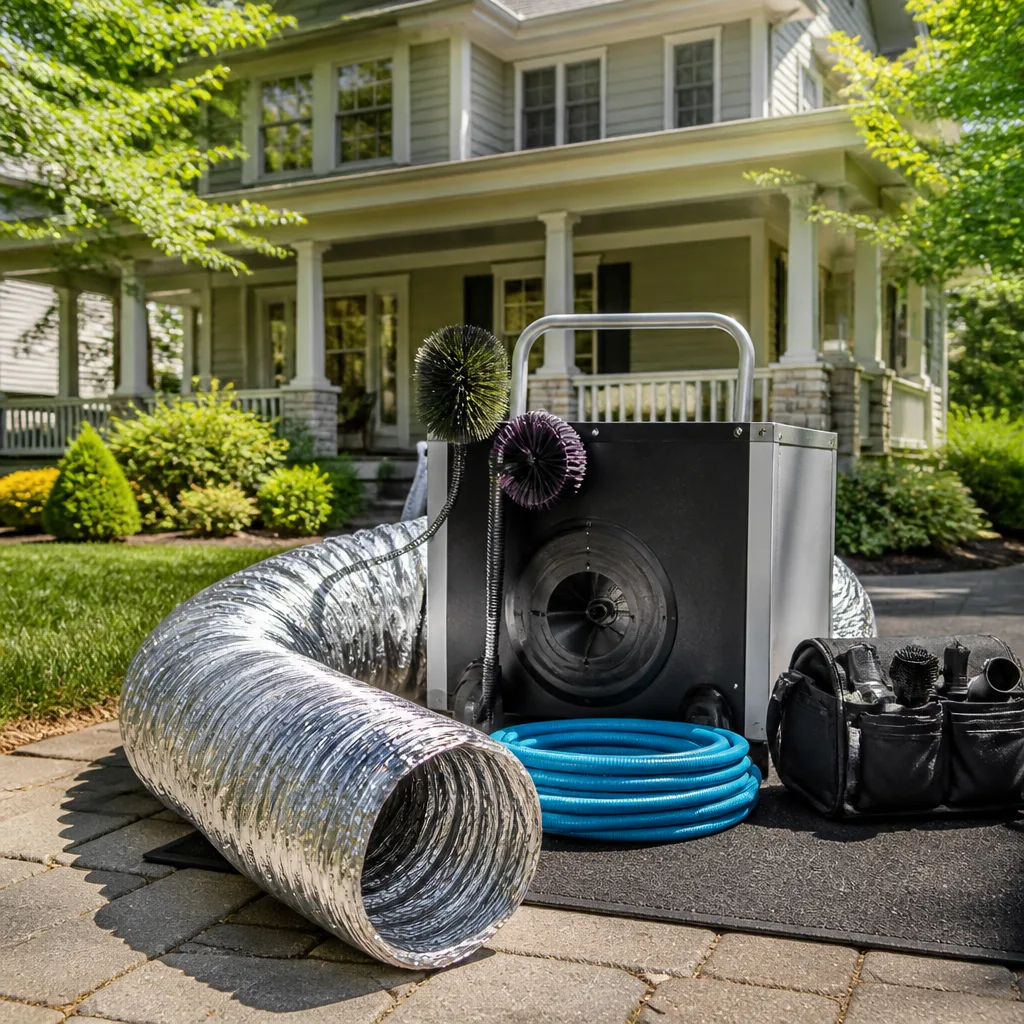 Whole-home duct cleaning
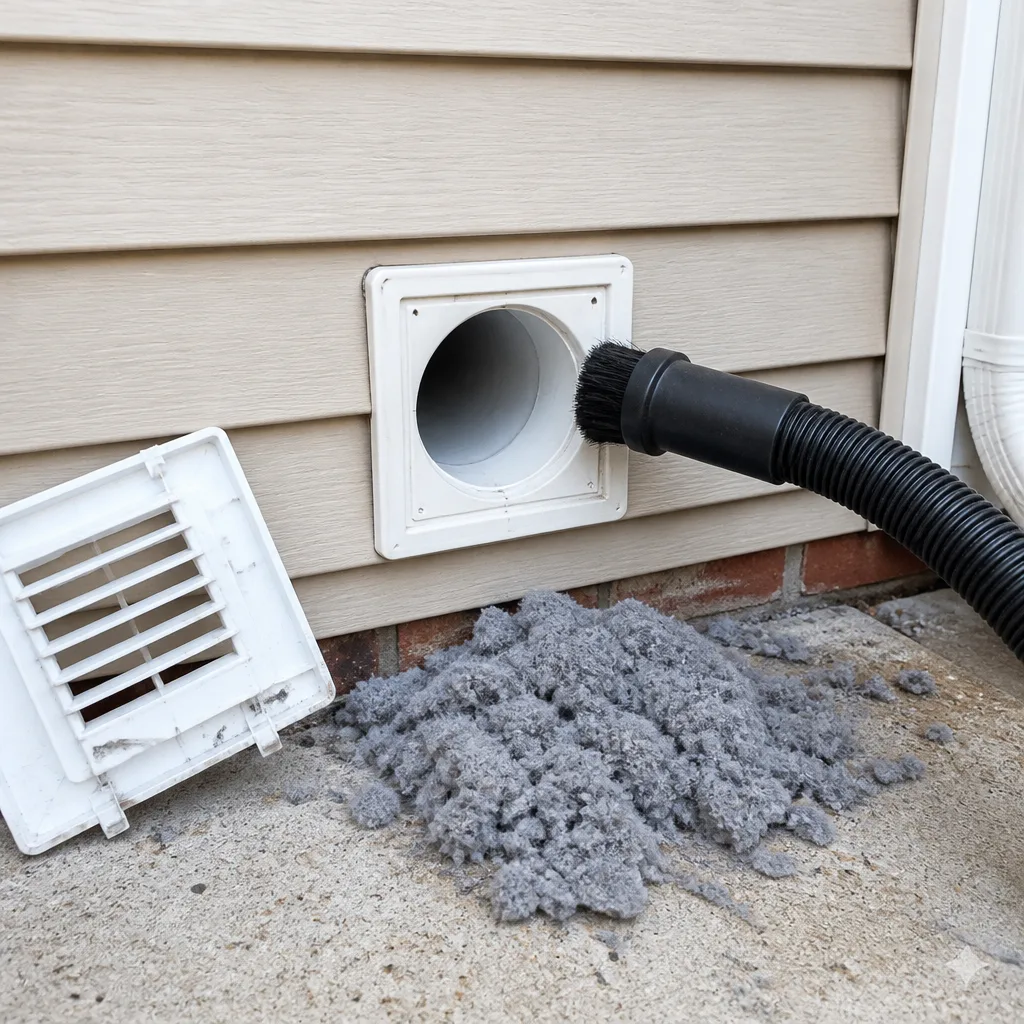 Dryer vent cleaning
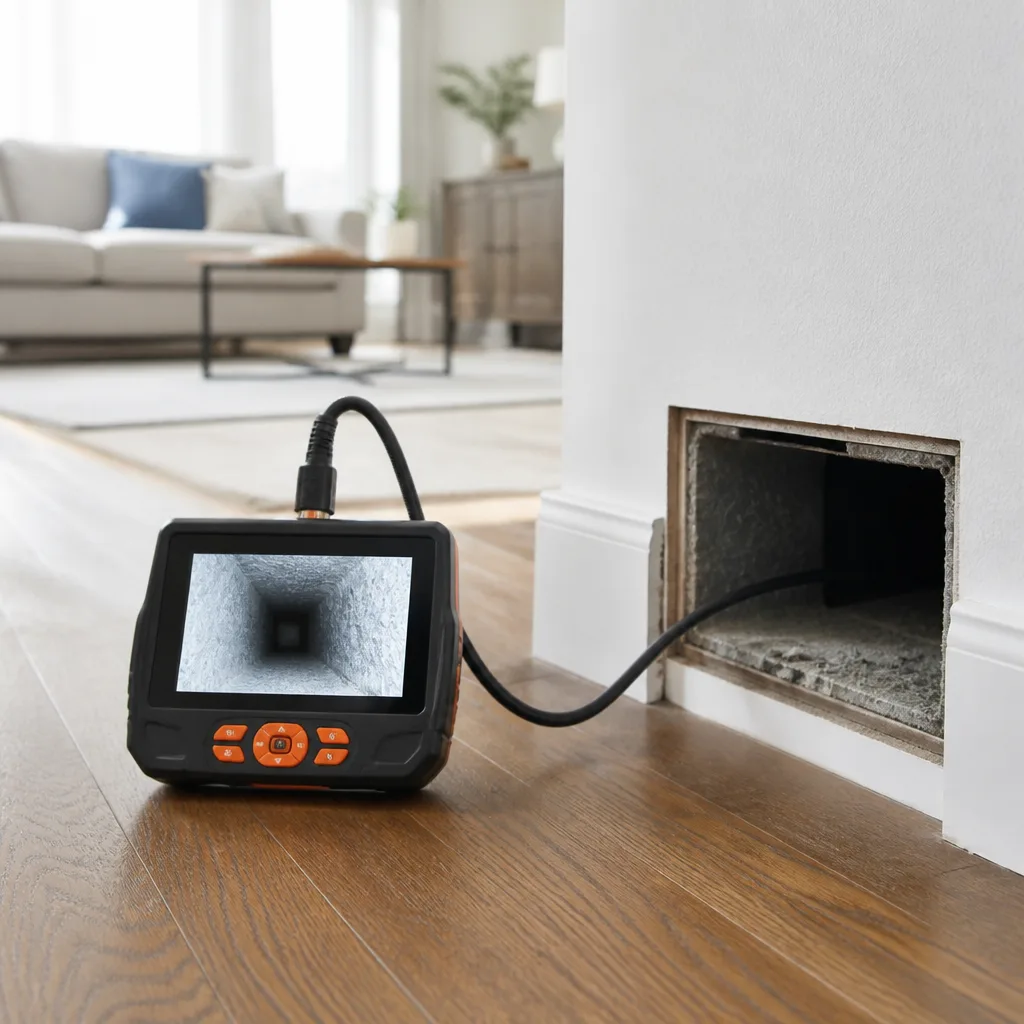 Camera inspection
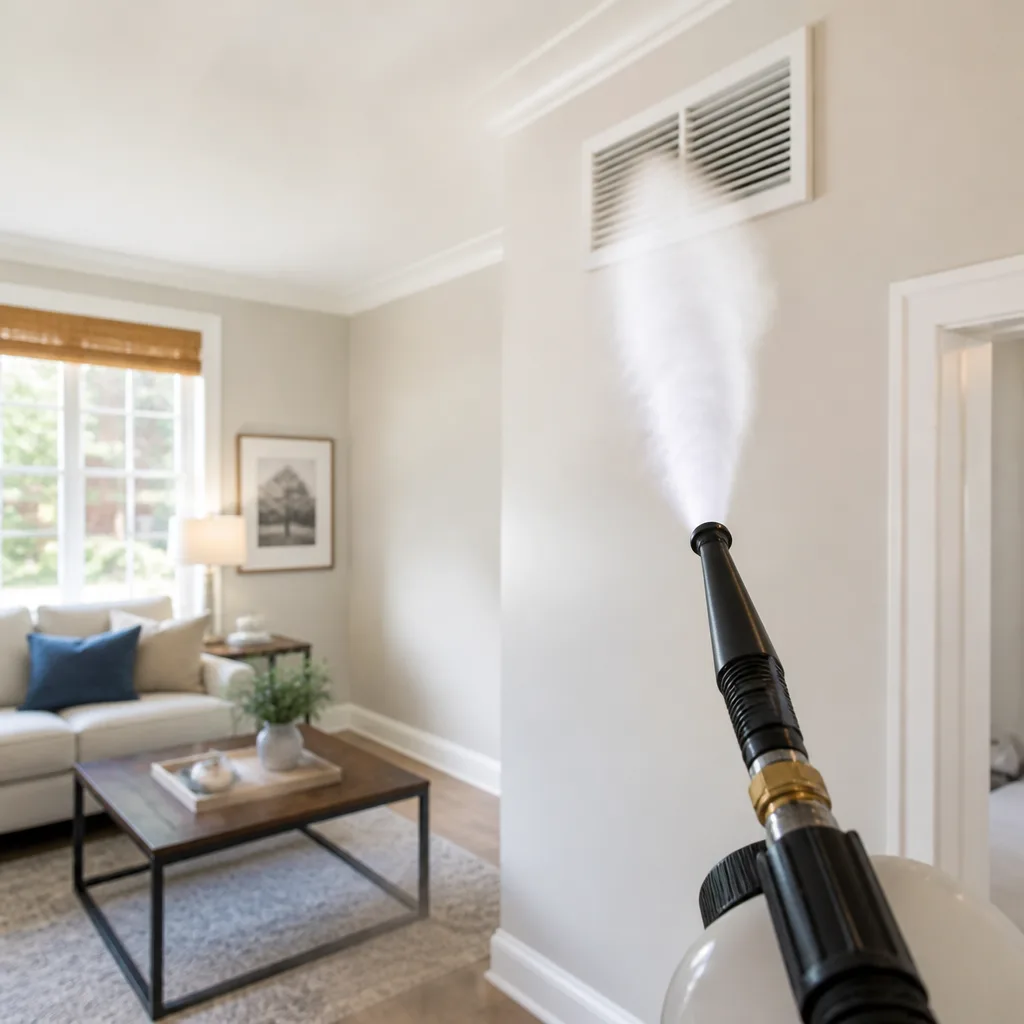 Sanitizing & deodorizing
Whole-system duct and dryer vent check with before-and-after photos - you see exactly what came out of your vents
That "$99 whole-house special" is a bait ad - the real number appears once they are in your hallway, or the "clean" is a shop-vac at the register. We photograph the inside of your ducts before and after instead.
How to Hire an Air Duct Cleaning Contractor in West Valley City: A Step-by-Step Guide
A $99 whole-home duct cleaning offer almost always means one thing: a portable shop-vac unit and a technician who will spend 45 minutes in your home. The physics of proper source-removal cleaning make that price point mathematically impossible for legitimate work. Real duct cleaning requires equipment that can move enough cubic feet per minute to keep debris airborne, rotary contact brushing to dislodge what’s stuck to the duct walls, and a filtration standard that protects the air in your home while the work happens. This guide walks you through how to vet a contractor in West Valley City the way an informed property owner should: by asking about equipment, reading quotes line by line, and knowing what a legitimate job looks like from the first phone call to the final report.
Quick Answer
Hire an air duct cleaning contractor in West Valley City by screening for verifiable equipment capability and process transparency, not just a business license. Ask what vacuum system they use, whether rotary contact brushing is included, and whether they clean the return side as well as the supply side. Get a written, system-based quote rather than a per-vent price, and ask to see before-and-after photos of your own ducts before the crew leaves.
Styles & brands we work with
- Whole-home duct cleaning
- Dryer vent cleaning
- Camera inspection
- Sanitizing & deodorizing
Table of Contents
- Why Utah’s Licensing Gap Changes How You Vet a Contractor
- What NADCA Membership Actually Means, and How to Use ACR 2021
- The Equipment Questions to Ask Before You Book
- How to Read a Duct Cleaning Quote Line by Line
- Red Flags During the Service Call Itself
- What a Legitimate Post-Cleaning Report Should Contain
- How Often Ducts Really Need Cleaning in the Salt Lake Valley
- Cleaning Versus Repair: When Your Ducts Need More Than a Vacuum
Why Utah’s Licensing Gap Changes How You Vet a Contractor
Utah does not license air duct cleaning as a standalone trade. A contractor can hold a general business license, buy a van and a vacuum, and advertise duct cleaning the following week. That’s the reality any West Valley City homeowner runs into when they start calling around. The credential you’d normally lean on, a state-issued license specific to the work, doesn’t exist here in the way it does for electrical or plumbing.
This changes your vetting strategy. Instead of checking a license number against a state database and stopping there, you evaluate the things that actually predict quality: what equipment the crew uses, what process they follow, and whether they can explain both in plain terms. A contractor who can tell you the CFM rating of their vacuum, name their rotary brush system, and describe how they seal a system before cleaning is showing you their work through technical vocabulary. One who answers those questions with vague reassurances is telling you something too.
In our experience across West Valley City, the contractor’s equipment list is the single best proxy for the work they do. Professional-grade equipment, not shop-vac shortcuts, that’s the dividing line. A crew running a West Valley City Air Duct Cleaning Pros style full-system setup with mechanical agitation and high-volume extraction is operating in a different category than one hauling a portable unit between jobs.
One practical note: general liability insurance and workers’ compensation coverage are still verifiable, and you should ask for a certificate before work begins. The local pro is licensed and insured as their state requires. Ask for the certificate in writing and confirm the policy is current.
What NADCA Membership Actually Means, and How to Use ACR 2021
NADCA, the National Air Duct Cleaners Association, publishes the industry standard most reputable contractors follow. The current version is ACR 2021, the Assessment, Cleaning and Restoration standard for HVAC systems. Membership in NADCA signals a willingness to be held to that standard, but it is not a certification of every technician on a crew. Read it as a positive indicator, not a guarantee, and use the standard itself as your screening framework.
Here’s how to put ACR 2021 to work during a phone call:
- Ask about source removal. ACR 2021 is built around physically removing contaminants from the system, not fogging them in place or masking them. If a contractor’s pitch centers on sanitizer spraying without extraction, that’s not cleaning.
- Ask whether the vacuum is held under negative pressure. The standard calls for keeping the system under negative pressure during cleaning so dislodged debris stays contained instead of drifting into living space. A crew that can’t explain how they maintain negative pressure is skipping a foundational step.
- Ask about access and agitation. ACR 2021 expects the contractor to access the full system and agitate debris from duct surfaces. That means rotary contact brushing and, where needed, hand tools on the return side.
- Ask what the post-cleaning verification looks like. The standard calls for a documented assessment after cleaning, not a verbal “all done.”
When you call a West Valley City duct cleaning company, naming ACR 2021 and asking how they apply it will separate the crews who know the standard from the ones who’ve never heard of it. It’s a fast filter.
The Equipment Questions to Ask Before You Book
This is the section that matters most. Equipment is where legitimate contractors and van-and-vacuum operations diverge, and it’s where you can screen out most of the wrong candidates in a single phone call. Ask these questions directly and listen for specific answers.
Truck-mounted versus portable vacuum
A truck-mounted unit delivers substantially more airflow than a portable. The reason is physical: a large motor and long hose can sustain the suction needed to keep debris suspended in the airstream while a technician brushes it loose. A portable shop-vac style unit can pick up what’s already loose, but it can’t hold system-wide negative pressure while cleaning. Ask which type they use. If the answer is “portable,” ask what CFM it produces and how they keep the whole system under negative pressure. A crew that understands its own equipment will have a clear answer.
CFM rating
CFM, cubic feet per minute, is the airflow measure that tells you whether a vacuum can actually move enough air through the system. Ask the number. A contractor who can’t tell you is either running equipment too small to do the job or hasn’t been trained to know. Either way, that’s your answer.
Rotary contact brushing
Vacuum alone doesn’t remove contaminants bonded to duct surfaces. Rotary contact brushing physically agitates the duct wall while the vacuum pulls the loosened debris away. Ask specifically whether rotary contact brushing is included in the quoted price or offered as an add-on. If it’s an add-on, the base price is not a cleaning price. Our crews use professional-grade systems from Rotobrush and Nikro, both built around mechanical agitation and high-volume extraction rather than suction alone.
Filtration during the process
Proper cleaning stirs up material. A careful contractor uses air filtration equipment in the work area to keep that material out of your living space. Ask what filtration they bring. The best answer names a specific filtration standard; Abatement Technologies equipment, for example, is the same category used in mold and hazardous-material containment work, which tells you the contractor takes air quality seriously during the job, not just after.
How to Read a Duct Cleaning Quote Line by Line
A per-vent price is the most common source of confusion in this industry. It sounds simple, but it usually omits the return side of the system, excludes agitation, and leaves repair and sealing out entirely. A system-based quote prices the whole air pathway. Here’s how to tell the two apart.
What “per vent” pricing usually omits
- Return-side ducts, which are often the dirtiest part of the system
- Rotary contact brushing
- The main trunk lines and plenum
- The HVAC unit itself, including the evaporator coil and blower
- Any duct repair or sealing that becomes necessary once the system is open
- Post-cleaning documentation
What a system-based quote should include
- A written scope covering supply, return, and main trunk
- Rotary contact brushing and mechanical agitation as part of the base price
- Negative pressure setup and on-site air filtration
- Confirmation of what’s included in the HVAC unit cleaning
- Any sealing or repair work priced separately and explained
- The total price agreed before work begins, not after
When you compare quotes, compare scopes, not just totals. A $400 system-based quote that includes the return side, brushing, and a written report is usually a better value than a $250 per-vent quote that covers only the supply registers. If the lower quote doesn’t spell out what’s included, ask them to. A contractor who can’t is a contractor who hasn’t thought about it.
Red Flags During the Service Call Itself
Some contractors present well on the phone and fall apart once the work starts. Watch for these signals while the crew is in your West Valley City home.
- Skipping the return side. Ask directly whether the return ducts and main trunk are being cleaned. A crew that brushes a few supply registers and calls it done has cleaned maybe a third of the system.
- No negative pressure setup. If the vacuum is connected without sealing the system first, debris has nowhere to go but into your living space. Ask to see how the system is sealed before cleaning begins.
- No before-and-after photos. A legitimate contractor documents the work visually, not just as a courtesy but as verification. If you ask for photos of your actual ducts and get excuses, that’s a problem. Before-and-after photos of your own system should be standard, not a special request.
- Vague explanations of the process. A trained technician can explain what they’re doing and why at each step. A crew that dries up when you ask questions is a crew working from a script.
- Upselling mid-job around repair work without documentation. If a technician discovers damaged ductwork and recommends sealing or repair, ask to see it. Photographs and a clear explanation should accompany the recommendation.
- No written scope before starting. The price should be agreed before anyone touches your system, one flat price per system. Mid-job surprises are a red flag.
Those six checks catch most of what goes wrong. And if a contractor fails two or three of them, stop the job and call someone else.
What a Legitimate Post-Cleaning Report Should Contain
A written report at the end of the job is not a formality. It’s documentation you may need later for a home sale, a warranty claim, or a follow-up service. A solid report includes:
- A description of what was cleaned. Which components: supply ducts, return ducts, main trunk, plenum, the HVAC unit
- The cleaning method used. Mechanical agitation, rotary brushing, negative pressure, filtration
- The condition of the system before and after. Including any pre-existing damage noted at the start
- Photographs. Both before and after, of the actual system in your home
- Repairs or sealing performed. With materials described
- Recommendations. What the contractor suggests for future maintenance, based on what they saw
Keep the report. If your HVAC system is under a manufacturer’s warranty and you ever need to make a claim, having a dated record of professional cleaning with photographs gives you documentation. The same report supports a homeowner when selling a West Valley City property and a buyer asks about system maintenance. Ask for it in writing before the crew leaves, and confirm it includes the before-and-after images.
How Often Ducts Really Need Cleaning in the Salt Lake Valley
There’s no universal schedule, but the Salt Lake Valley’s climate gives West Valley City homeowners a few specific reasons to think about duct condition. The valley sits in a basin, and winter temperature inversions trap particulate matter in the air, which means the system running in your home is pulling that air through its filters and ducts for months at a time. Dry summers mean dust from landscaping and construction finds its way into the return side. Neither fact gives you a fixed cleaning interval, but both argue for staying attentive to the system.
A practical answer: inspect rather than schedule. Open a few return grilles and look at what’s accumulated on the inside of the duct near the register. If you can see a visible layer of dust or debris, or if you notice that the registers are visibly dirty, it’s worth having the system assessed. Households with pets, recent renovations, allergy sufferers, or a move into a home with unknown service history should have the ducts inspected sooner.
Once cleaned, sealing gaps and joints in the ductwork helps the system stay clean longer, which is why the repair and sealing step matters. A cleaning followed by sealing tends to hold its result better than a cleaning alone. For the full scope of that service, see our page on air duct cleaning.
Cleaning Versus Repair: When Your Ducts Need More Than a Vacuum
The most common outcome of a first-time duct inspection is not that the ducts are only dirty. It’s that they’re dirty and damaged. Flexible ductwork can tear, joints can separate, and connections at the plenum can loosen, especially in older systems. Cleaning a damaged system without sealing it means the dirt comes back quickly through the same gaps. The best contractors repair what they find during the job so the system stays clean after they leave.
Ask any contractor you’re considering what they do when they find damaged ductwork mid-job. The answer should involve sealing with proper materials, not tape from the hardware store and not “make a note of it for you.” Duct Repair & Sealing is a capability to confirm before you book, because a contractor without it will leave the cleaning half-finished by default. That’s why we built the service around the full air pathway rather than duct vacuuming alone: our service menu covers ducts, the HVAC unit, duct sealing, and sanitizing, so the same crew that cleans also closes the gaps.
The same applies to the dryer vent. Dryer vent cleaning is a separate service from duct cleaning, but it’s part of the same air pathway in your home. See our dryer vent cleaning page for what that involves. The HVAC unit surface itself also collects dust and should be cleaned as part of the system, which is covered under HVAC cleaning.
Common Mistakes to Avoid
- Booking on price alone. A price that sounds too good for a whole-home system usually reflects a portable vacuum and a shortened scope. Ask what’s included before you compare totals.
- Accepting a per-vent quote. Per-vent pricing almost always omits the return side and trunk lines. Ask for a system-based quote that names every component covered.
- Skipping the equipment questions. If you don’t ask about vacuum type, CFM, brushing, and filtration, you’re leaving the most important screening questions unasked. A five-minute phone conversation with the right questions eliminates most of the risk.
- Not asking for before-and-after photos. Without documentation, you have only the contractor’s word about what was done. Photos of your own system are the proof.
- Assuming the sanitizer does the cleaning. Sanitizing is a finishing step after source removal, not a substitute for it. A contractor who leans on fogging in place of extraction is skipping the cleaning.
- Cleaning without addressing gaps and damage. If the system has separated joints or torn sections, cleaning won’t last. Confirm the contractor seals what they find.
- Letting the HVAC unit go unserviced. Ducts are only part of the air pathway. Cleaning the duct system without addressing the HVAC unit leaves a major source of dust and debris in place.
- Not keeping the report. A written report with photos is documentation for warranty and resale purposes. File it.
See the difference
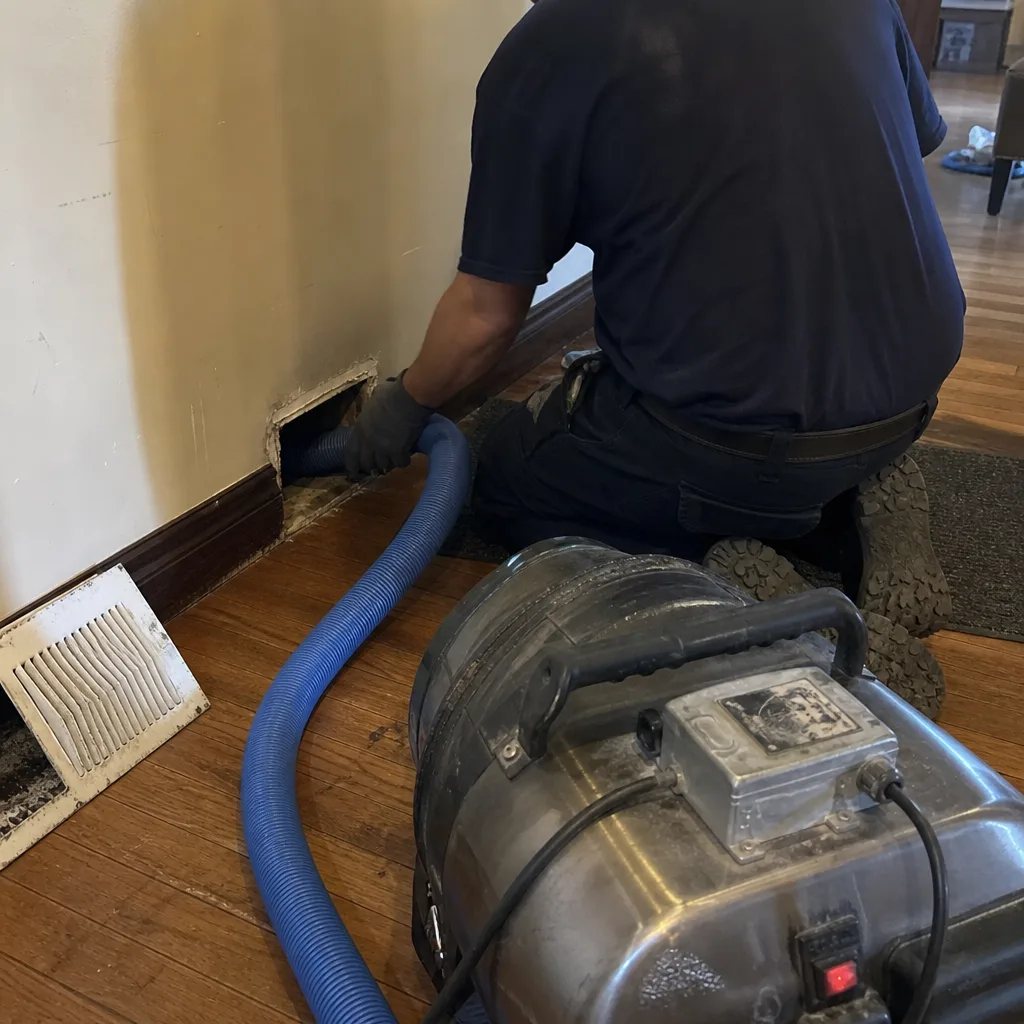 Before
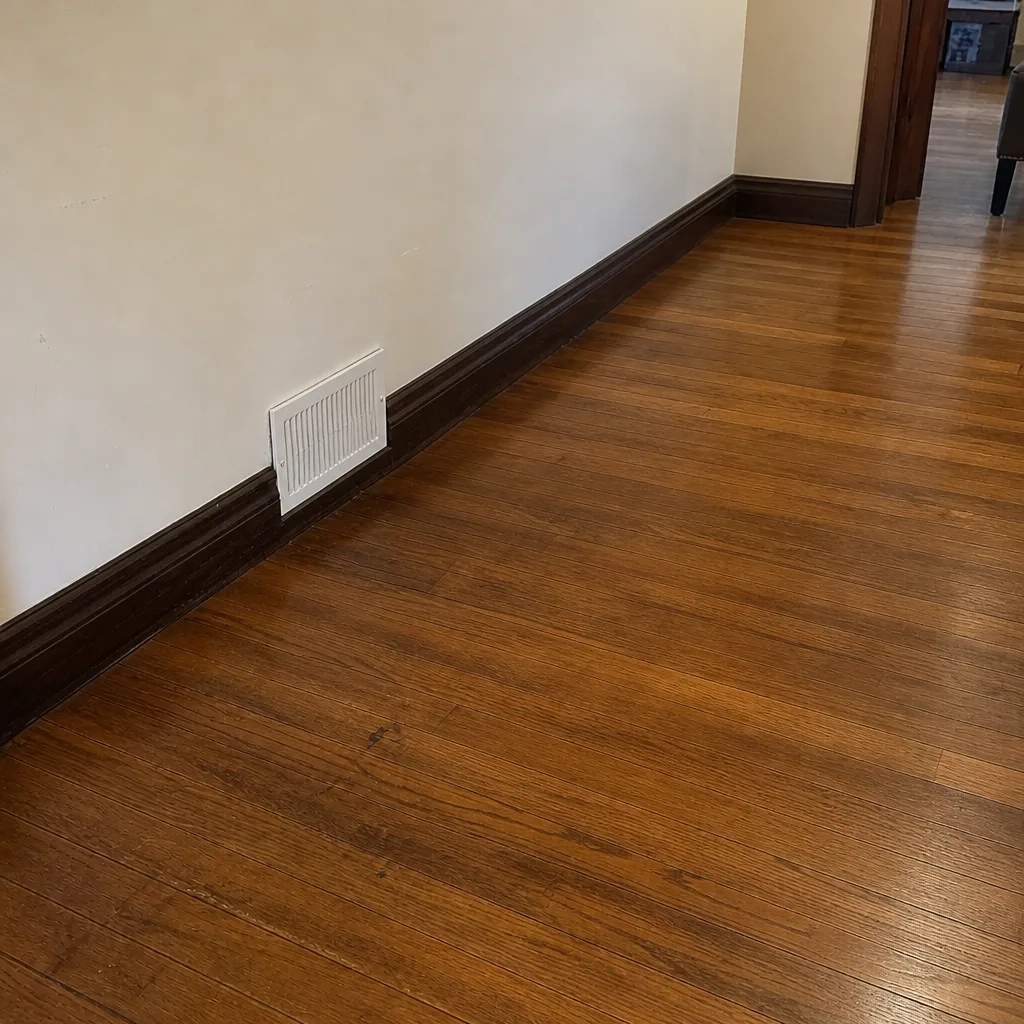 After
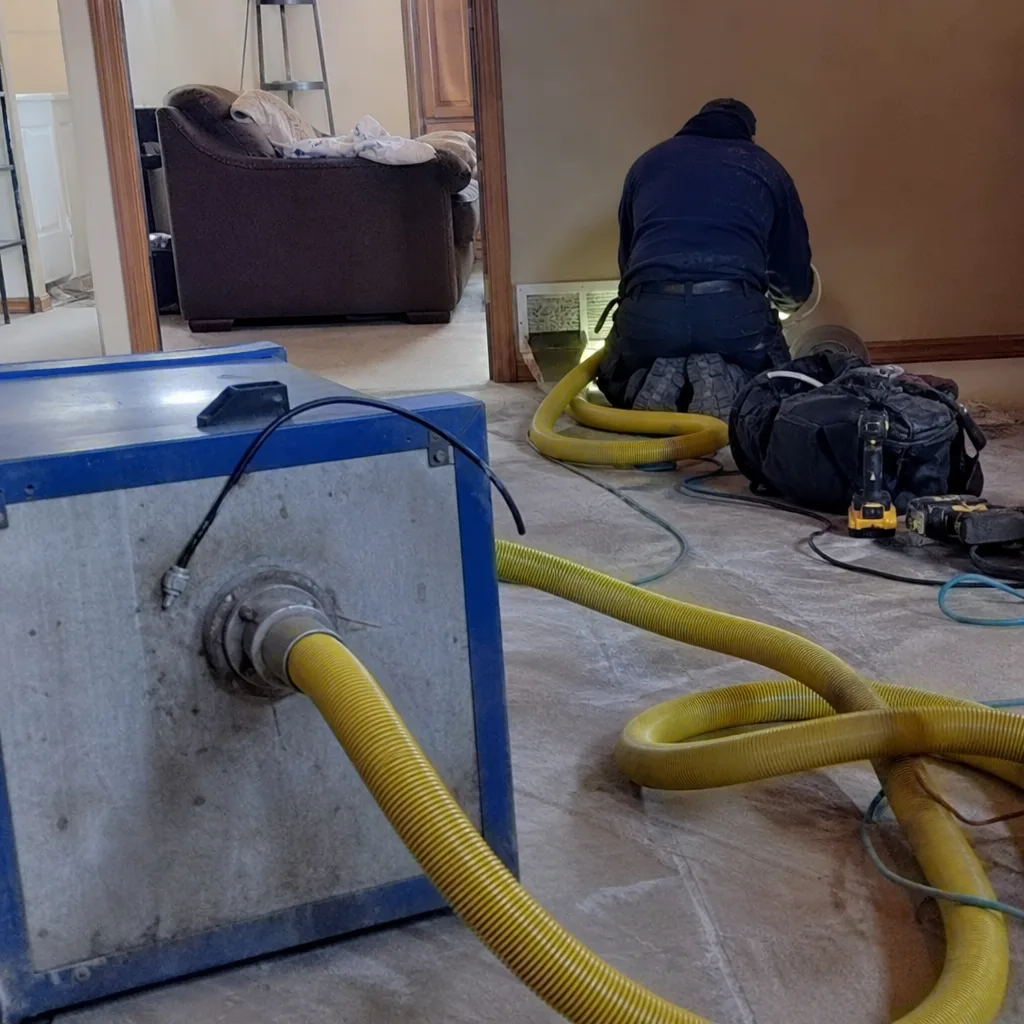 Before
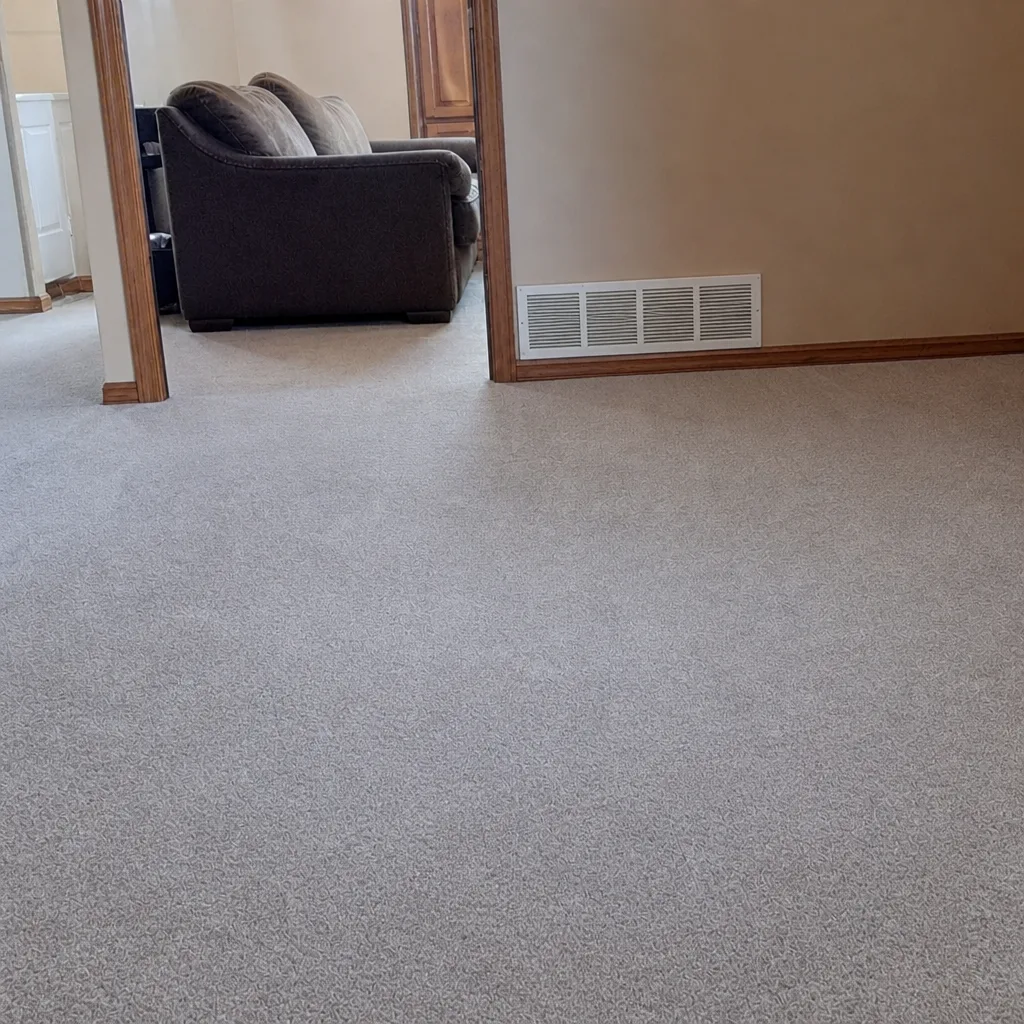 After
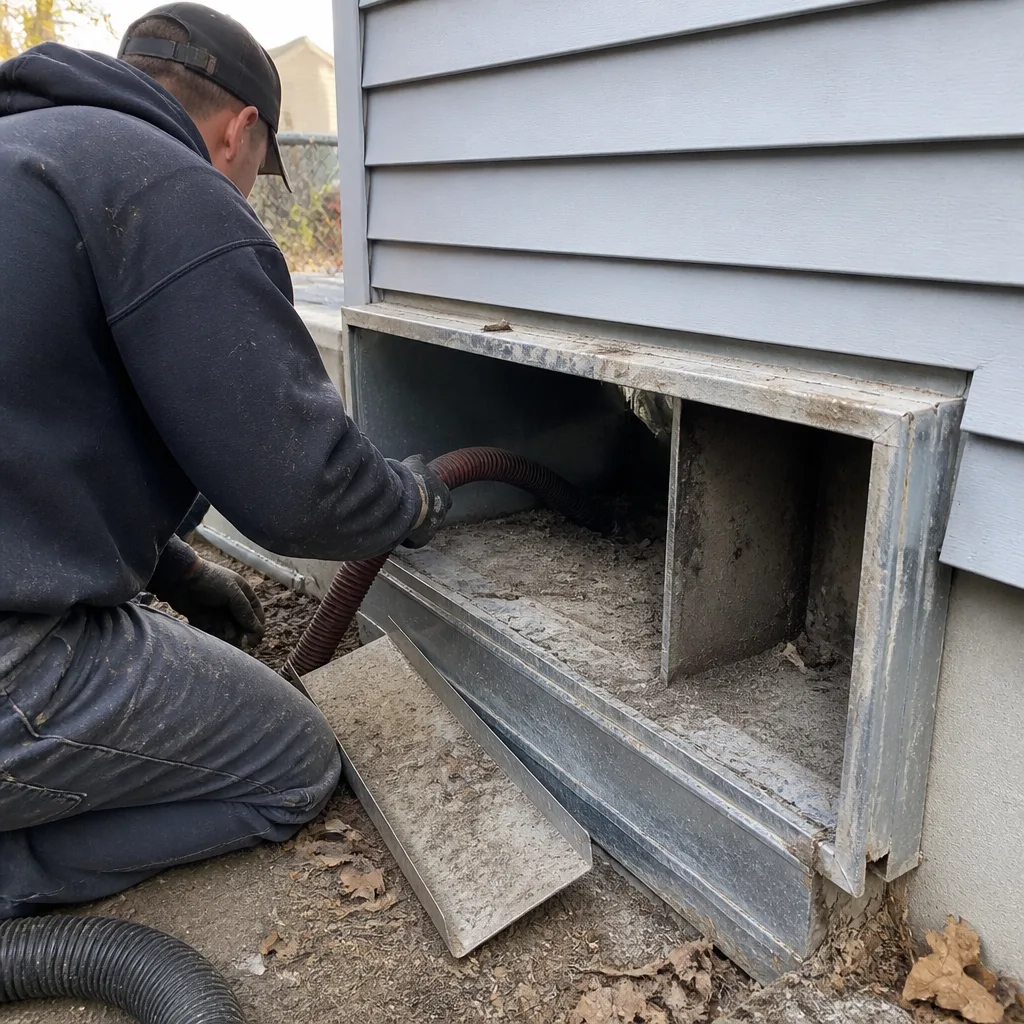 Before
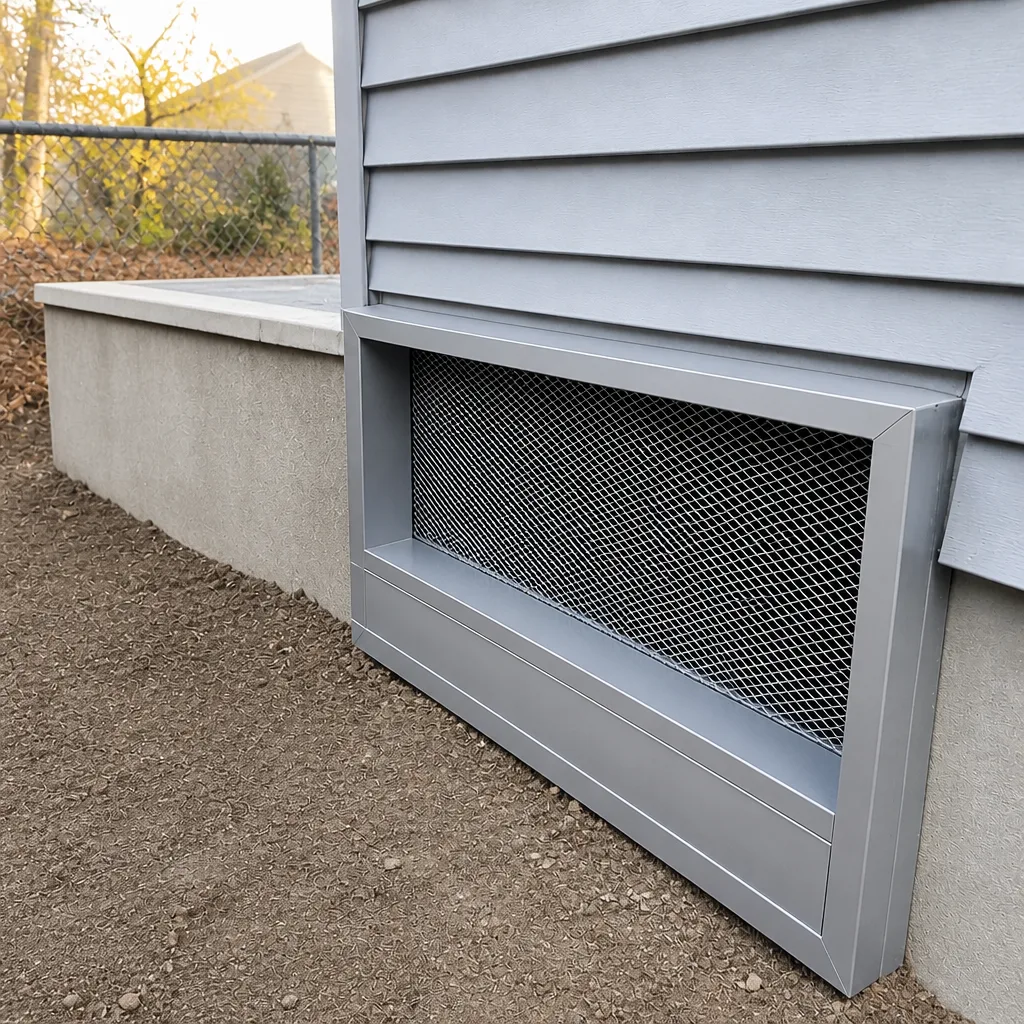 After
When to Call a Professional
Some situations call for a professional assessment rather than another round of register dusting. If anyone in the home has persistent allergy symptoms that seem tied to time indoors, start with the ducts. If you’ve recently bought a home in West Valley City and don’t know the service history of the system, an inspection is the right first move. Recent renovation, a pet that sheds heavily, or visible debris inside return grilles are all signs the system is carrying more than it should. If your energy bills have crept up for no obvious reason, a damaged or leaking duct system can be part of the explanation, and sealing it is part of the fix. If you notice the dryer taking longer than it used to, the vent may need cleaning. West Valley City Air Duct Cleaning Pros offers free estimates in West Valley City – call (855) 337-1649. We answer 24/7. Fast dispatch from 7am to 7pm, Sunday through Friday.
Frequently Asked Questions
A whole-system cleaning priced with professional equipment and rotary contact brushing is a per-job estimate based on the size and condition of the system. It should be priced as one system, not per vent, with the written estimate setting the final price. If you’re seeing quotes in the low hundreds for a whole home, ask what’s included and what vacuum they use. Call (855) 337-1649 for a free estimate.
Cheap quotes almost always reflect a smaller scope and lighter equipment. A portable shop-vac unit can’t hold a whole system under negative pressure while a technician brushes the ducts, so the crew cleans what’s reachable and skips the return side and main trunk. The price difference is a scope difference, not a deal. Call (855) 337-1649 for a free estimate that itemizes the whole system.
Before-and-after photos of your own ducts are the simplest verification, and you should ask for them as part of the job. A written report that describes what was cleaned, the method used, and includes photographs documents the work. If a contractor can’t provide either, that should factor into whether you book them. Call (855) 337-1649 for a free estimate.
There’s no fixed interval that applies to every home. Inspect rather than schedule: visible dust on the inside of return grilles, recent renovation, pets that shed, or reaching the end of a home’s unknown service history are all good trigger points for an assessment. In our experience, waiting for a symptom and then inspecting is more useful than following a rigid calendar. Call (855) 337-1649 for a free estimate.
Utah does not license air duct cleaning as a standalone trade. The credential to verify is equipment and process, and you can ask a contractor to explain what they use and how they clean. The local pro is licensed and insured as their state requires, and you should ask for a certificate of insurance before work begins. Our technicians have up to 9 years of experience. Call (855) 337-1649 for a free estimate.
The standard is a high-volume vacuum system capable of holding the whole system under negative pressure, combined with rotary contact brushing and on-site air filtration. Professional-grade systems from manufacturers like Rotobrush and Nikro are built around that combination. Contractors who service indoor air quality systems also work with brands like Honeywell and Aprilaire. Call (855) 337-1649 for a free estimate.
Yes, if the goal is a clean system. The HVAC unit’s coil and blower sit inside the air pathway and collect dust along with the ducts. Cleaning the ducts without addressing the unit leaves a source of debris still inside the system. Call (855) 337-1649 for a free estimate that covers the full pathway.
A qualified contractor repairs and seals damaged sections as part of the job, using proper materials, so the cleaned system stays clean. Ask before you book what the contractor does when they find damage. If the answer is “we’ll note it” with no repair capability, the cleaning is only a partial job. Call (855) 337-1649 for a free estimate.
The Bottom Line
In a state where duct cleaning isn’t licensed as a trade, the credential that separates a qualified contractor from a van-and-vacuum operation is equipment capability and process transparency. Ask about the vacuum, CFM, rotary contact brushing, and on-site filtration. Get a system-based quote that names the return side and main trunk, not a per-vent price. Confirm the contractor repairs and seals what they find. Ask for before-and-after photos and a written report. Those five checks will filter out most of what goes wrong. Everything else is detail.
Ready to Get an Estimate?
Call (855) 337-1649 for a free estimate. We answer 24/7. Fast dispatch from 7am to 7pm, Sunday through Friday, and we’re closed Saturday. Our technicians have up to 9 years of experience with systems built around the full air pathway: ducts, the HVAC unit, sealing, and sanitizing, using professional-grade Rotobrush and Nikro equipment, with Abatement Technologies filtration and services compatible with Honeywell and Aprilaire air quality systems. We’ll walk you through what we find, show you the photos, and price the whole system in one flat estimate before work begins.
Written by the team at West Valley City Air Duct Cleaning Pros.