
Last updated November 24, 2026
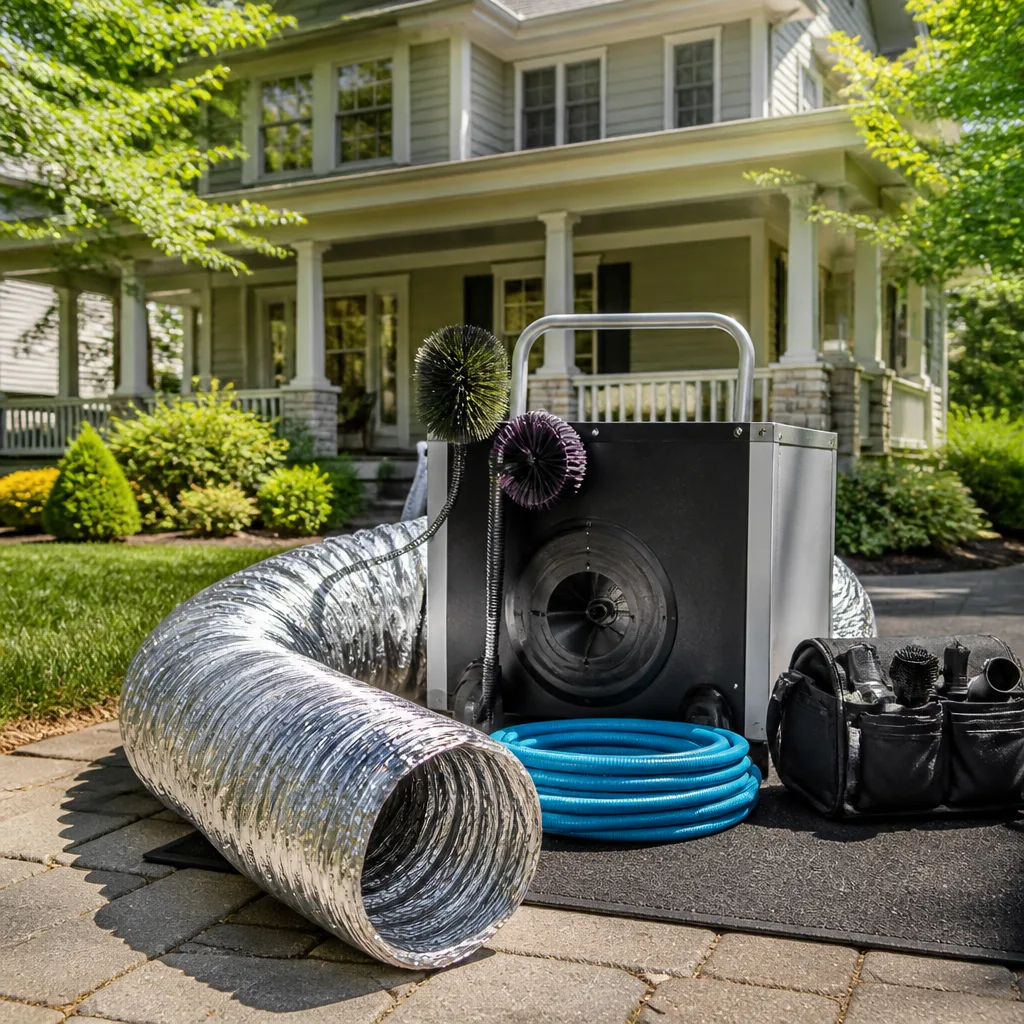 Whole-home duct cleaning
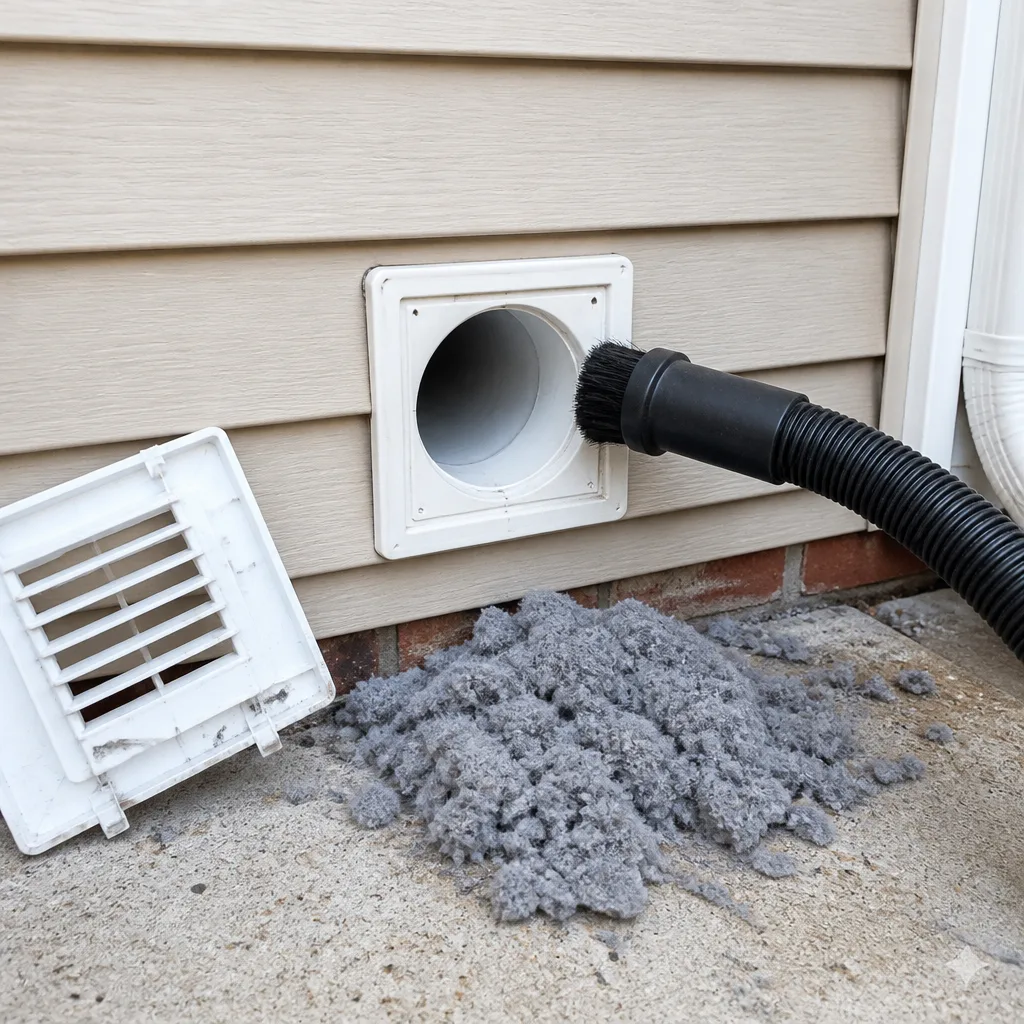 Dryer vent cleaning
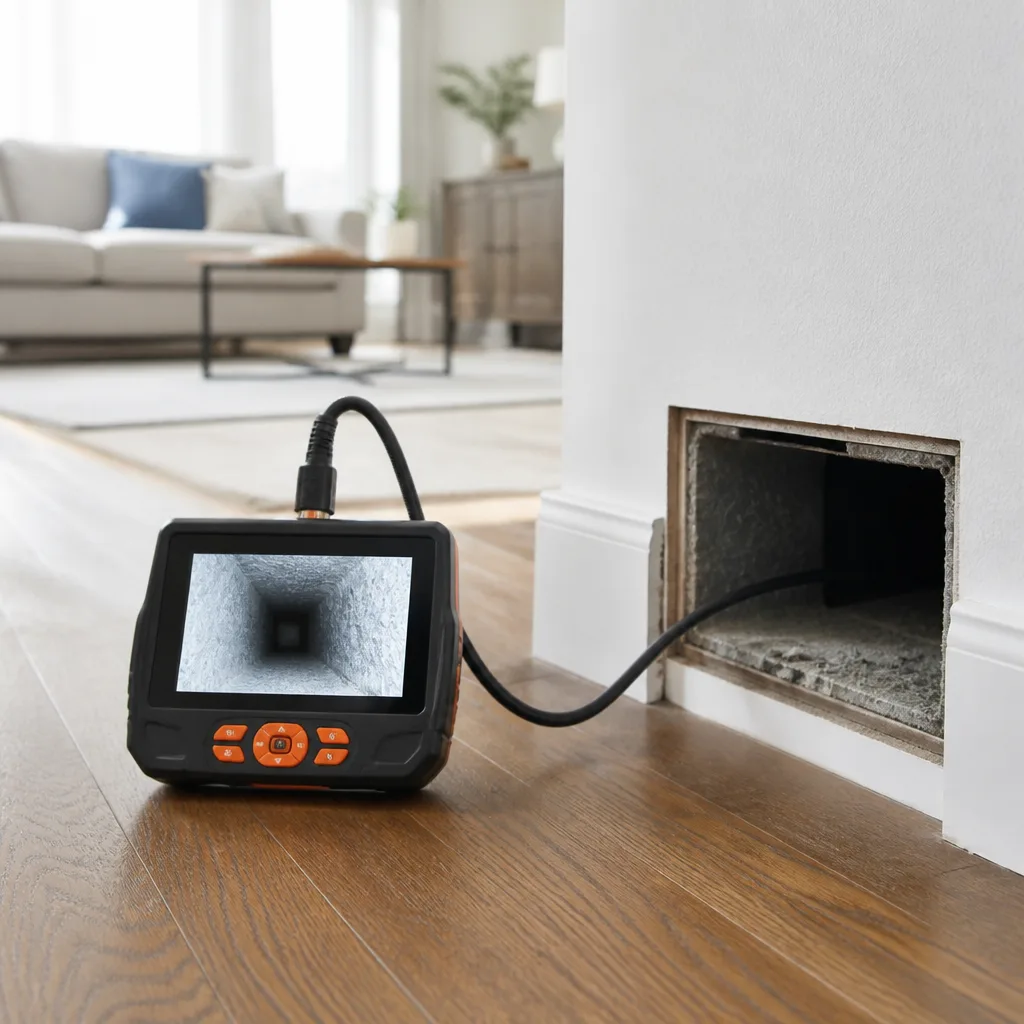 Camera inspection
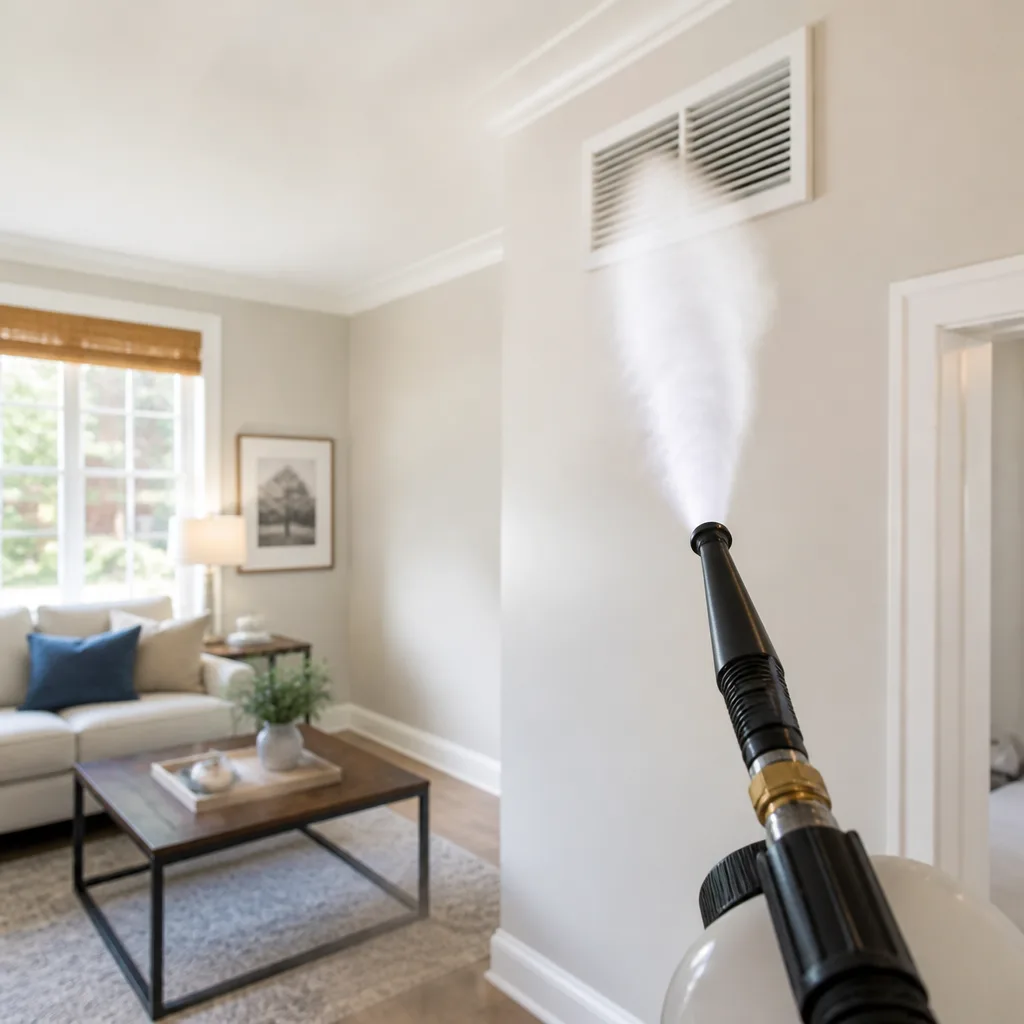 Sanitizing & deodorizing
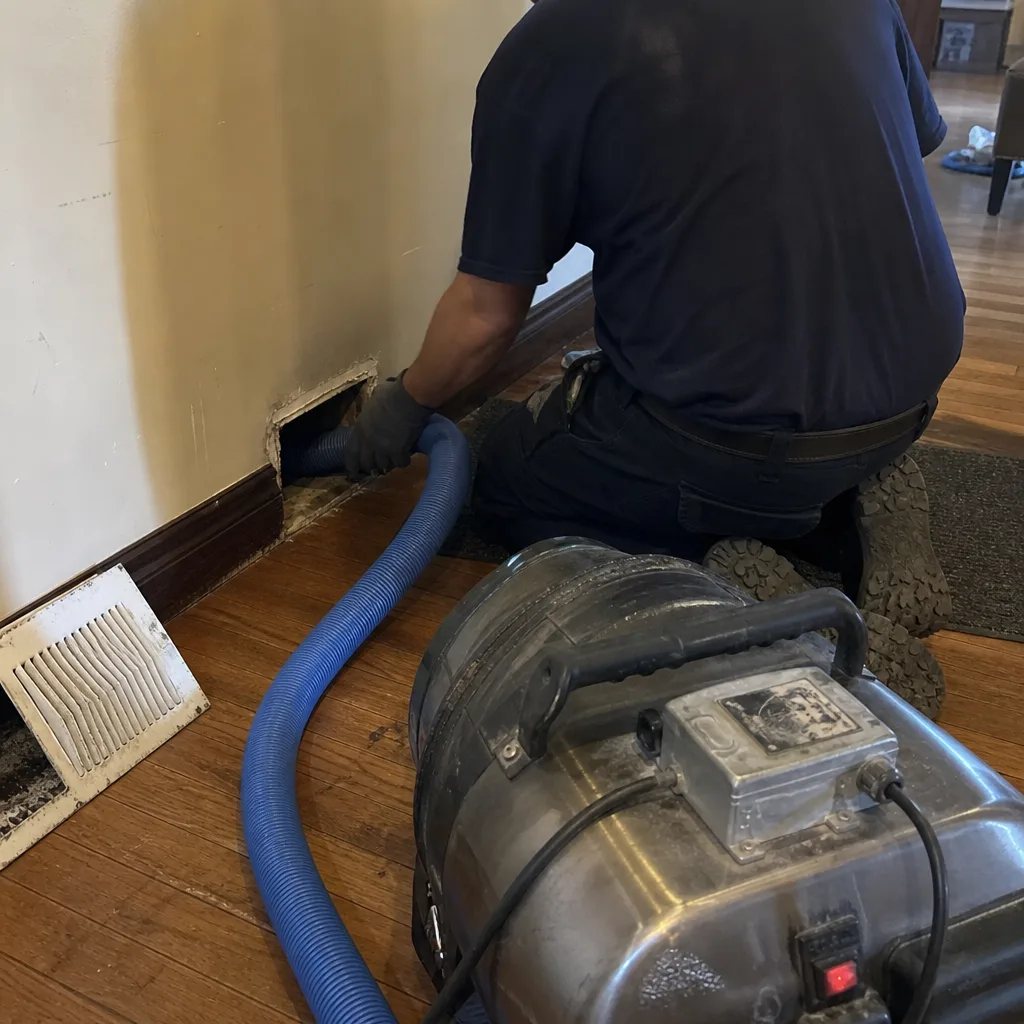
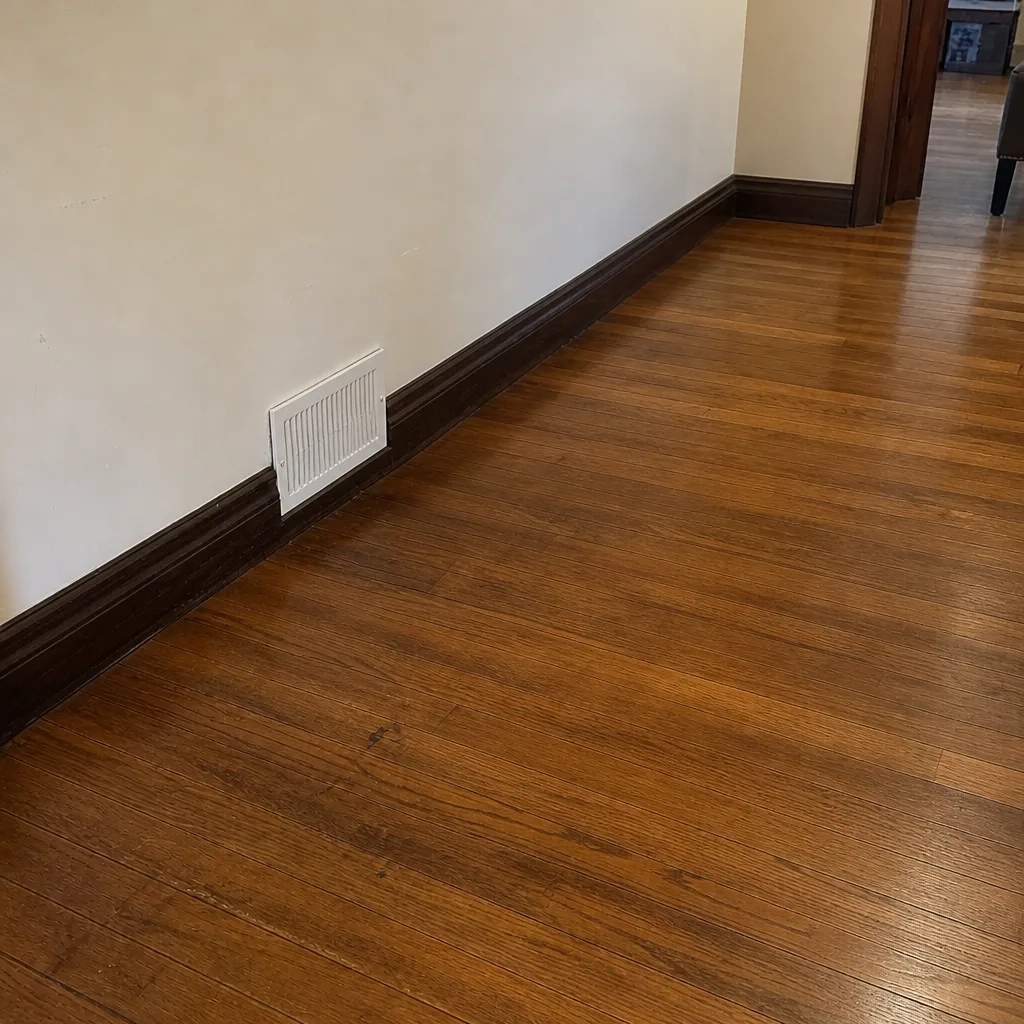
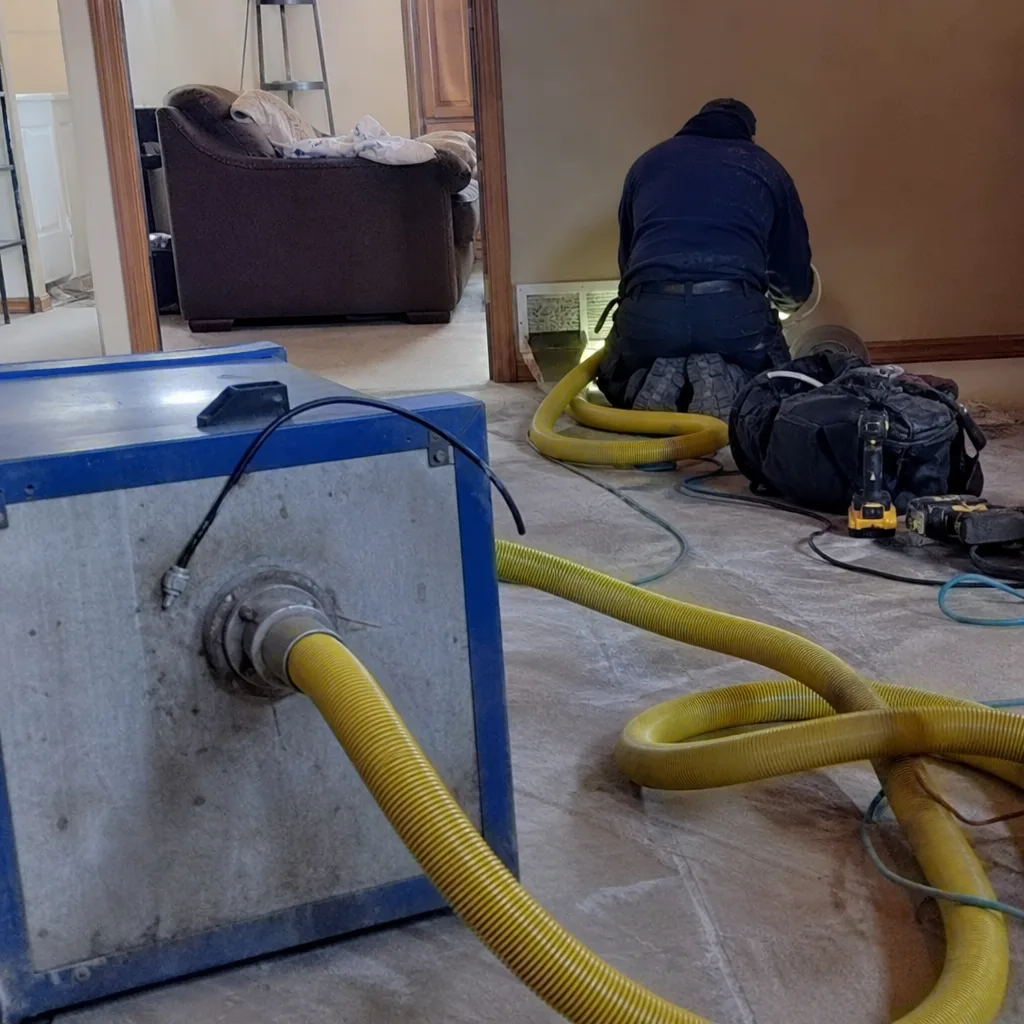
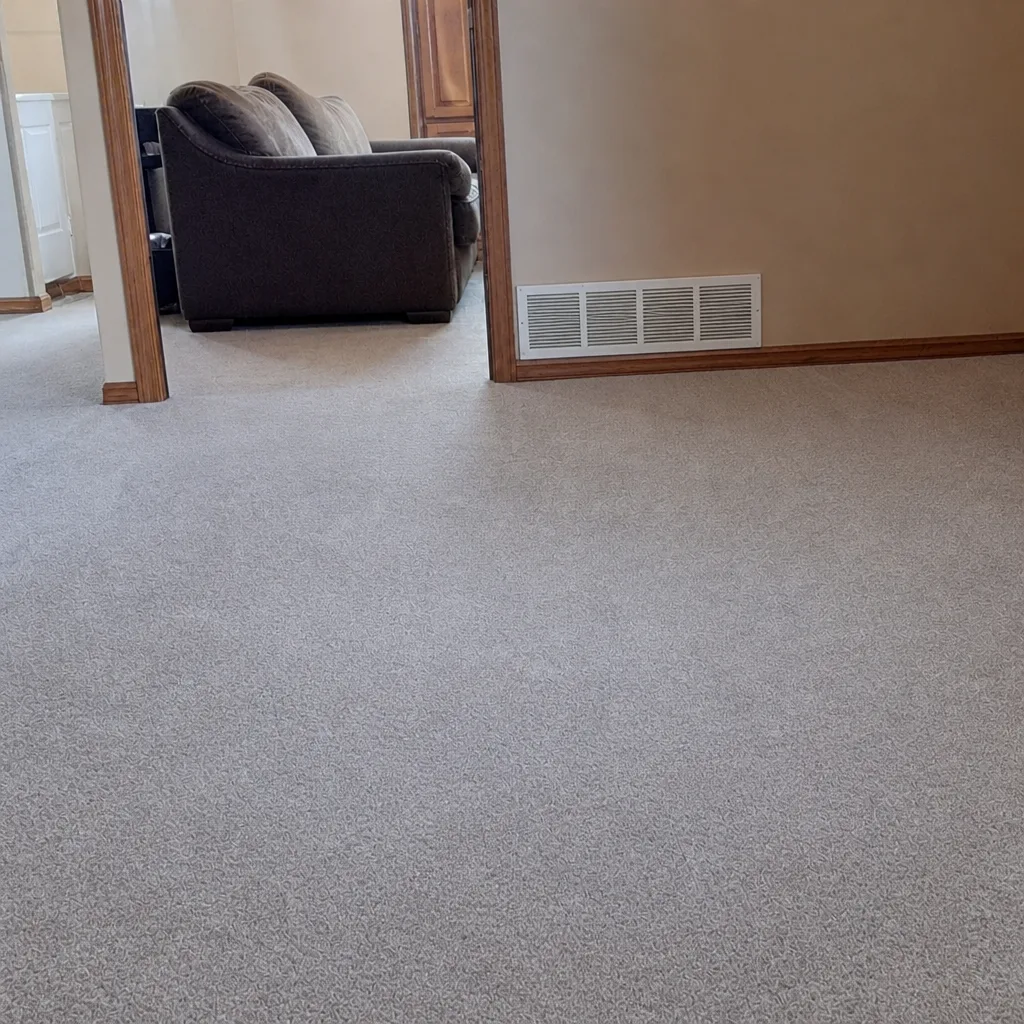
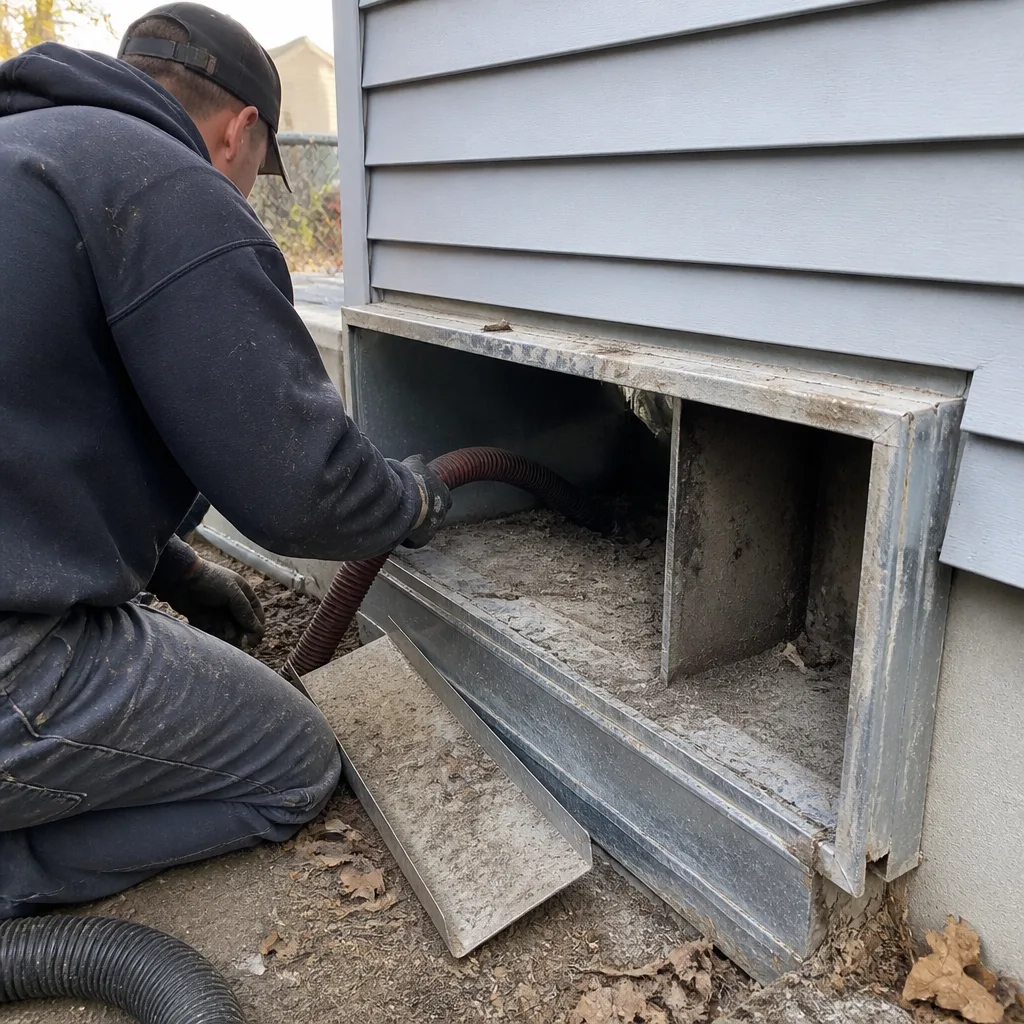
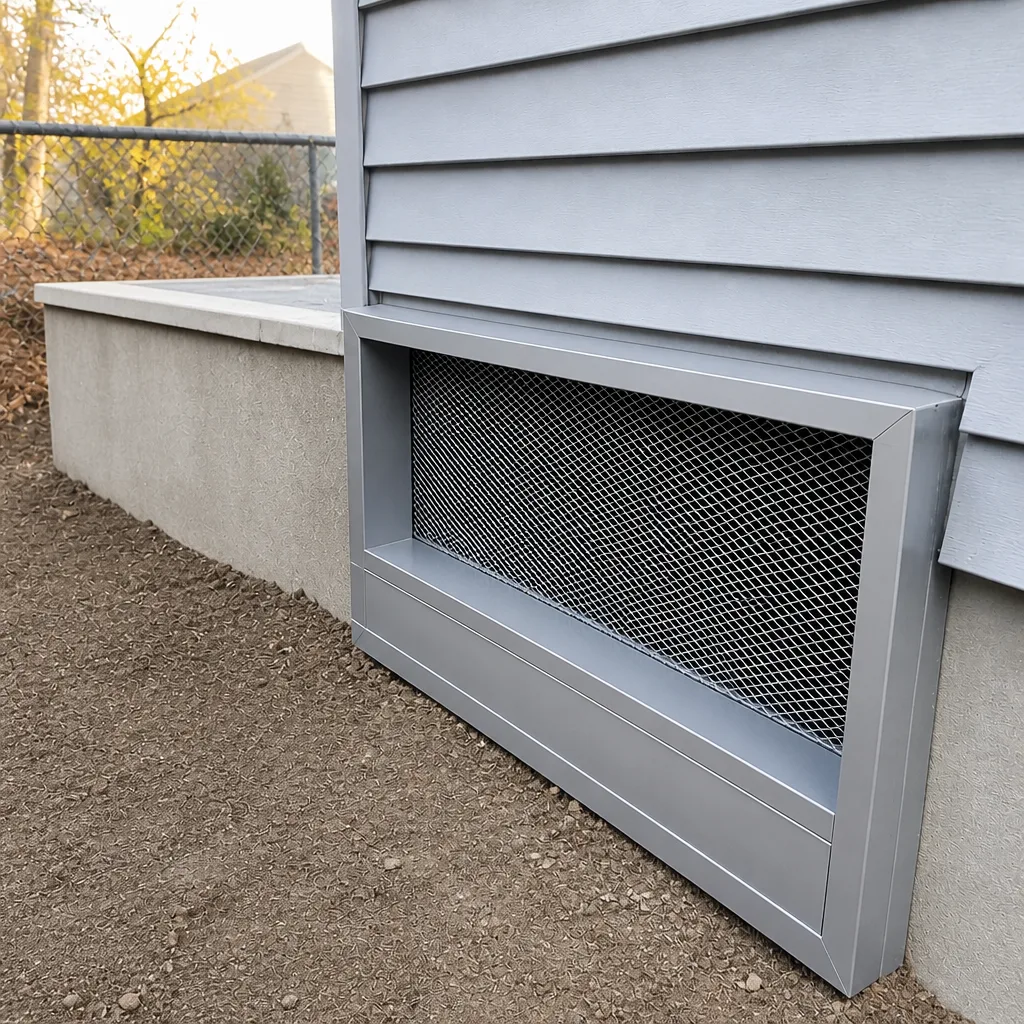
Whole-system duct and dryer vent check with before-and-after photos - you see exactly what came out of your vents
That "$99 whole-house special" is a bait ad - the real number appears once they are in your hallway, or the "clean" is a shop-vac at the register. We photograph the inside of your ducts before and after instead.
Seasonal Air Duct Cleaning Care for West Valley City: Year-Round Homeowner’s Guide
January is one of the least useful months to schedule a duct cleaning in West Valley City, even though it feels like the natural time to start fresh. During the middle of inversion season, you’d be pulling debris out of a system that’s still taking on particulate every day the valley traps cold, still air under a warmer lid. The cleaning doesn’t hold. What most homeowners need isn’t a New Year’s reset, it’s a service window that matches how contamination actually builds through the year. This guide walks through that calendar: when to clean, what to inspect before each season, and how to tie duct work to your HVAC tune-ups so one visit does the work of two.
Quick Answer
The best time for a full duct cleaning in West Valley City is late February through April, right after the Salt Lake Valley inversion season breaks and before cooling season starts. A second, lighter check belongs in early fall, before the furnace runs hard. Filters and registers get the most attention in November, December, and January, when inversion air keeps your system cycling particulate, and in July and August, when dry desert dust and a wet evaporator coil create the worst growth window. Cleaning on that rhythm beats cleaning every January because you’re pulling debris after it’s deposited, not while it’s still arriving.
Styles & brands we work with
- Whole-home duct cleaning
- Dryer vent cleaning
- Camera inspection
- Sanitizing & deodorizing
Table of Contents
- Why Inversion Season Changes Your Duct Contamination Rate
- The Optimal Post-Inversion Cleaning Window: Late February to April
- Summer Preparation: Coil Cleaning Before Cooling Season
- Fall Tasks Before Heating Season: Blower Wheel and Return-Side Debris
- Coordinating Duct Cleaning With Your HVAC Tune-Up
- Year-Round Filter and Register Monitoring
- What a Full Air Pathway Service Actually Covers
- Common Mistakes to Avoid
- When to Call a Professional
- Frequently Asked Questions
Why Inversion Season Changes Your Duct Contamination Rate
West Valley City sits in the Salt Lake Valley, and from roughly November through February the valley traps a cold layer of air under a warmer one. That trapped air holds particulate: wood smoke, vehicle exhaust, dust from the dry ground, and whatever the winter wind picks up and doesn’t blow out. Your furnace is running, so your blower is pulling that air through the return side of your system every day. Much of it settles in the ductwork, on the blower wheel, and on the filter media you can’t see.
The result is a contamination curve that looks nothing like a flat line. Duct load builds slowly through fall, climbs through the inversion months, peaks at the end of February, and then finally starts to clear as spring weather breaks the inversion and winds move the air again. If you clean in January, you’re cutting into that curve halfway up. You’ll be cleaning again by summer, and the debris you pulled out in January is replaced before you notice the difference.
What this means practically:
- Inversion months add load, not equal to, but heavier than any other season. Furnace run time climbs, outdoor particulate climbs, and your filter fills faster.
- Debris deposits on the supply and return sides differently. Return-side runs pick up the bulk of it because they sit upstream of the filter, but supply-side runs accumulate fine dust that slips past the filter.
- Spring doesn’t reset the system, it only stops the deposit. Cleaning after inversion pulls out what’s already there, which is why the window matters more than the calendar date.
- Home heating in West Valley City is long enough to matter. A furnace that runs from October to April has hundreds of hours of dirty-air cycling before you’d see a January cleaning have any lasting effect.
We’ve watched this pattern hold across homes on both the east bench of West Valley City and the flatter neighborhoods near the valley floor. Higher homes get wind scouring and more dust, lower homes get longer inversion exposure, and both peak at the same time of year.
The Optimal Post-Inversion Cleaning Window: Late February to April
Late February through April is the single best window for a full air duct cleaning in West Valley City. You’re cleaning after the deposit season has ended and before cooling season starts, so the cleaned system runs through spring and early summer before it takes another heavy load. If you only clean once a year, clean in this window.
Here’s how the physics work in your favor. Once the inversion breaks, outdoor particulate drops, your furnace runs less, and the system stops adding new debris to what’s already in the ducts. All the material that built up over the winter is sitting where it will stay. That’s the ideal moment to pull it out: nothing new is arriving to replace it, and the cooling system hasn’t yet started circulating the same air through a wet coil.
What to do in the spring window:
- Schedule the full-system cleaning for March or early April. Book before cooling season hits so the work doesn’t collide with the first heat wave, when HVAC crews are at their busiest.
- Pull every register cover and look at it before the cleaning. You’ll see where the worst load sits: kitchen returns, bedroom supplies, and the floor registers nearest the front door tend to show the clearest difference before and after.
- Ask for before-and-after photos of your own ducts. We take them, and you should want to see them. It’s how you confirm the work was done in the runs you can’t see.
- Have the return-side trunk and the blower compartment looked at while the system is open. A cleaning that skips the air handler leaves half the load behind.
- Sanitize if the inspection shows organic growth or persistent odor. Not every home needs it, but if the spring thaw reveals a musty smell when the system first comes on, that’s the signal.
If you wait until June, you’re cleaning a system that’s already run several weeks of cooling-season air, and the cleaning lands in front of the hottest stretch of the year instead of behind it.
Summer Preparation: Coil Cleaning Before Cooling Season
The evaporator coil is where duct work and HVAC work overlap, and it’s the spot most homeowners never think about until the AC is running poorly. When your cooling system runs, the coil gets wet from condensation. Wet dust is a different problem than dry dust: it clings, it supports microbial growth, and a dirty wet coil loses capacity because it can’t transfer heat. Cleaning the coil before cooling season starts, not after, keeps the whole system running efficiently through July and August.
In West Valley City, the summer problem has a specific shape. The air is dry, so you might expect less dust, but dry desert wind carries fine particulate that slips through standard filters more easily. Add that to a wet coil and you have the classic growth setup: dust adheres to the coil, moisture feeds whatever’s living on it, and every cooling cycle pushes that air through your ducts. Even if the ducts were clean in March, a fan running all summer redistributes fine particulate that made it past the filter.
Pre-cooling-season tasks that matter:
- Have the evaporator coil cleaned and inspected before the first hot week. This is the single most overlooked piece of cooling efficiency.
- Check the condensate pan and drain line. Standing water breeds growth; a slow drain means the coil never fully dries between cycles.
- Replace the filter the week before cooling season begins. A filter loaded from the heating season gives you a restricted return flow and a coil that runs wetter.
- Confirm the return grille isn’t blocked by furniture or carpet. Short return airflow drives up dust recirculation in the equipment closet.
- Run a quick smoke or tissue test at the registers. Weak airflow at one supply register flags a leak or a disconnected run, and a disconnected run in summer means it’s pulling attic or crawlspace air into your home.
This is also where HVAC cleaning pairs naturally with duct work. If the coil and air handler get cleaned at the same time as the ducts, you start cooling season with a clean system top to bottom. That’s a much better setup than cleaning ducts in June and discovering in August that the coil was the actual problem.
Fall Tasks Before Heating Season: Blower Wheel and Return-Side Debris
Before the furnace kicks on for the winter, the system deserves a walk-through for the damage summer did. Fall tasks aren’t a full duct cleaning; they’re a check of the components that summer dust hits hardest, and they cost you an hour of your time to spot the problems a professional needs to address.
The blower wheel is the most neglected part. It sits inside the air handler and pushes air through every duct in the house. Over a summer, fine dust coats its blades, which sounds harmless until you picture a fan with a rough surface instead of a smooth one. A dust-loaded blower loses air movement and gets louder, and in our experience many homeowners mistake the noise climb for the system aging when it’s really just a dirty wheel. If a technician opens the air handler during a fall tune-up and the wheel looks caked, that’s a cleaning that needs to happen before the furnace runs hard, not after.
The return side deserves the same look. The return trunk and the return registers in the floor or wall pick up whatever the summer pulled in, and a return loaded with dust feeds that dust straight back into the furnace and the coil. Fall tasks to have done:
- Inspect the blower wheel through the air handler access panel. Look for caked dust on the blades and a visible coating on the housing.
- Check the return-side registers and the return trunk. Heavy dust there means the system has been recirculating debris all summer.
- Look for debris or construction dust near the furnace intake. Remodel work or new carpet in the fall dumps load into the return.
- Confirm the duct runs you can reach are still connected. Loose flex duct at a branch takeoff leaks air into the attic and unbalances the whole system.
- Test for air leaks at accessible joints. Hissing or whistling at a seam means the duct sealing step in the service is worth doing, not duct tape.
Duct repair and sealing is where the process separates from pure cleaning. We repair what we find: a cleaning that removes debris from a leaky duct network just gives that network a clean start before the leaks load it up again. Sealing the leaks after cleaning is how the result actually holds.
Coordinating Duct Cleaning With Your HVAC Tune-Up
Timing the duct cleaning to your HVAC tune-up gets you the most system access from a single service event, and it saves you from paying for two visits where one would do. A tune-up already opens the air handler and gets the technician into the same equipment closet a duct cleaner needs. When both happen together, the technician sees the coil, blower, and duct interior in the same session instead of guessing at conditions from a separate visit.
What coordination gets you:
- Air handler open once, not twice. The blower wheel and coil get inspected and cleaned during the same visit, so nothing gets put back together and taken apart again.
- Filter replacement built in. The duct cleaner and the HVAC tech both care about the filter, so replacing it once at the end of the visit is cleaner than replacing it at the start of the next.
- Sanitizing and sealing done in one pass. Once the ducts are cleaned and sealed, a sanitizing step makes more sense than doing it separately and re-opening the system later.
- One shared estimate. Pulling both jobs into one written estimate means one flat price per system agreed before any work starts, instead of two invoices you have to reconcile.
- Better follow-up. The technician who saw the system can tell the next person what he saw, so nobody’s guessing about the return-side condition on the next visit.
For a home in West Valley City that already has a whole-home air quality system, this is also when you want the equipment checked. We work on Honeywell and Aprilaire systems, and the tune-up is the natural visit to confirm humidifier pads, filters, and control boards on those units are doing their job. A humidifier that runs with a clogged pad pushes mineral dust into the airstream, which is the exact opposite of what you cleaned the ducts for.
Year-Round Filter and Register Monitoring
Arbitrary monthly filter reminders waste money on some filters and starve a loaded one on others. What works is a cadence tied to the local conditions that actually load the filter, and in West Valley City that means a different schedule in inversion season than in dry summer. Start from this cadence and adjust based on what the filter looks like when you pull it:
- November through February: check the filter every four to six weeks. Inversion season means the furnace is running daily against higher outdoor particulate, so a filter that would normally last longer will load faster.
- March through May: check at least once mid-spring. This is the window after inversion breaks and before cooling season, and a clean start to cooling matters.
- June through August: check monthly during the first cool-down period and again at peak heat. Dry summer wind carries fine dust, and a restricted filter makes the coil run wetter.
- September through October: change before the furnace starts running. Fall is when you want the system clean going into the heating season, and a fresh filter is half the job.
Register monitoring runs on the same logic. Pull the cover at the start of each season and look at the grille and the run behind it. Darker dust on the return register than the supply register is normal. Dust visible on the supply register means either the filter is overdue or the ductwork has debris inside that a cleaning will pull out.
One more monitoring habit worth building: photograph the filter at each change. A picture of a loaded filter is the clearest record of what your system is dealing with, and it tells you whether your next duct cleaning should move up or wait. Vendors’ filters vary enormously in what they capture, and the photo is a better guide than the box’s claim.
What a Full Air Pathway Service Actually Covers
The distinction between a duct cleaning and a full air pathway service is scope, and scope is where you should be picky. A full service covers the entire path air travels through your home: the returns, the supply runs, the registers, the air handler, the coil, and the equipment that conditions the air. When a single company covers the whole path, you don’t need a second vendor to finish the system, and you don’t get a technician who cleans up to the edge of his scope and leaves the rest for someone else.
Our service uses professional-grade equipment, not shop-vac shortcuts. The cleaning systems are Rotobrush and Nikro, industry-standard mechanical systems that agitate debris off duct interiors and extract it, rather than vacuum what’s loose and leave the rest stuck to the metal. Filtration runs through Abatement Technologies equipment, the same category used in mold and hazardous-material containment. That matters if your ducts have ever had a moisture problem or a prior remediation. Guardsman protection products are part of the finishing step, and we’re authorized to work on Honeywell and Aprilaire systems.
Five service categories cover the full pathway:
- The air duct cleaning itself, covering supply and return runs across the whole system.
- Dryer vent cleaning, which is a lint and fire-risk job rather than an air-quality one, and belongs on the same visit if it’s been a while.
- HVAC cleaning for the air handler, coil, and blower wheel.
- Duct repair and sealing for the leaks and disconnections a cleaning turns up.
- Air quality sanitizing for organic growth, odor, or post-remediation work.
A single flat price per system, agreed before the work starts, is what we offer for the cleaning. Before-and-after photos of your own ducts are part of the service, and the written estimate sets the final price.
Common Mistakes to Avoid
- Scheduling in January because it’s the new year. You’ll be cleaning during inversion season, before the worst of the deposit load is finished. Late February through April is the better window.
- Skipping the air handler. A duct cleaning that leaves the blower wheel and coil dirty wastes half the work. The air handler is where the air actually gets conditioned, and it’s the part most homeowners never see.
- Hiring on the lowest bid without asking about equipment. A shop vac and a truck mount look like the same service on paper. Ask what cleaning system and what filtration the crew uses, and expect a specific answer.
- Treating a duct cleaning as a substitute for a filter change. The cleaning pulls out what’s already there; the filter controls what arrives. A clean system with a clogged filter loads right back up.
- Ignoring a musty smell after a summer of cooling. Odor when the system first comes on is your clearest signal that a coil or duct sanitizing step should be part of the service.
- Skipping duct sealing after cleaning. A clean duct network with leaks pulls in attic or crawlspace air within weeks. If the technician finds leaks, seal them during the same visit.
- Cleaning the ducts but never checking the return side. The return carries the heaviest debris load. If the estimate doesn’t cover supply and return, you’re paying for half the system.
When to Call a Professional
Call when the pattern isn’t seasonal any more. A system that leaves dark dust on registers days after a filter change, a return that smells musty when the furnace starts, or airflow that’s visibly weaker at some registers than others all point to a problem a homeowner can’t fix from the outside of the ductwork. Visible debris at a floor register, a recent remodel that ran the system with return registers open, and a home you’ve just moved into with no service record all warrant a look from someone with the right equipment. If the blower is noisier than it used to be and the filter is fresh, that’s a blower-wheel inspection, not a filter problem.
One safety note: the equipment closet and the duct interior are not a DIY zone. The blower, coil, and any gas-fired furnace component carry real risk, and the right tools are the ones a trained crew uses. The professional work also includes things a homeowner can’t do safely, like sealing a disconnected run behind a wall or sanitizing a system after a moisture problem.
West Valley City Air Duct Cleaning Pros offers free estimates in West Valley City. Call (855) 337-1649 for an appointment. We answer 24/7. Fast dispatch, 7am-7pm, Sunday through Friday; we’re closed on Saturday and book any Saturday request for Sunday.
Frequently Asked Questions
Late February through April is the best window, right after inversion season ends and before cooling season starts. Cleaning after the deposit season pulls out the winter’s load, and the cleaned system stays clean through spring and into early summer before it takes another heavy load. If you clean only once a year, this is the window to use.
Most full-system cleanings in West Valley City fall in a typical range of roughly $300 to $600 for a standard single-family home, with larger or multi-system homes running higher. The written estimate after an inspection is what sets the final price, and we agree to one flat price per system before any work begins. Call (855) 337-1649 for an exact quote on your home; estimates are free.
The cheapest bids are usually quoting a different scope: a surface vacuum of the visible runs, no air handler, no return side, and standard shop-vac-grade equipment instead of a mechanical agitation system like a Rotobrush or Nikro setup. Ask what equipment and what filtration the crew uses. A written scope that covers supply, return, and the air handler is the honest comparison, not the headline number.
Ask for before-and-after photos of your own ducts, taken during the service, and open a couple of registers after the cleaning to check the interior yourself. A crew that does the work has no trouble producing that record. If a bidder won’t offer photos, that’s your answer.
Once every two to three years is a reasonable rhythm for most homes here, and a home with pets, allergies, or a recent remodel may want the shorter end of that. The inversion cadence matters more than the exact count: a full cleaning after inversion season plus a fall check is a better plan than any fixed reminder card.
Yes, when you can. Coordinating the two means the air handler is opened once, the blower wheel and coil are cleaned in the same visit, and you get one flat estimate for both jobs. Call (855) 337-1649 and we’ll work around your tune-up date.
The Bottom Line
West Valley City doesn’t have a single duct season, it has a curve. Inversion months load the system hard, spring clears the air, summer puts the coil to work wet and warm, and fall is the last check before the furnace runs hard again. Clean after inversion, inspect before cooling, check the blower and return side in the fall, and tie the whole visit to your HVAC tune-up. That schedule is built on how the system actually loads through the year. Clearer air starts with the system behind your walls, and the timing is the part most homeowners get wrong.
Call (855) 337-1649 for a free estimate and an inspection of your full air pathway. We answer 24/7. Fast dispatch, 7am-7pm, Sunday through Friday.
Written by the team at West Valley City Air Duct Cleaning Pros.
See the difference
 Before
 After
 Before
 After
 Before
 After