
Last updated November 24, 2026
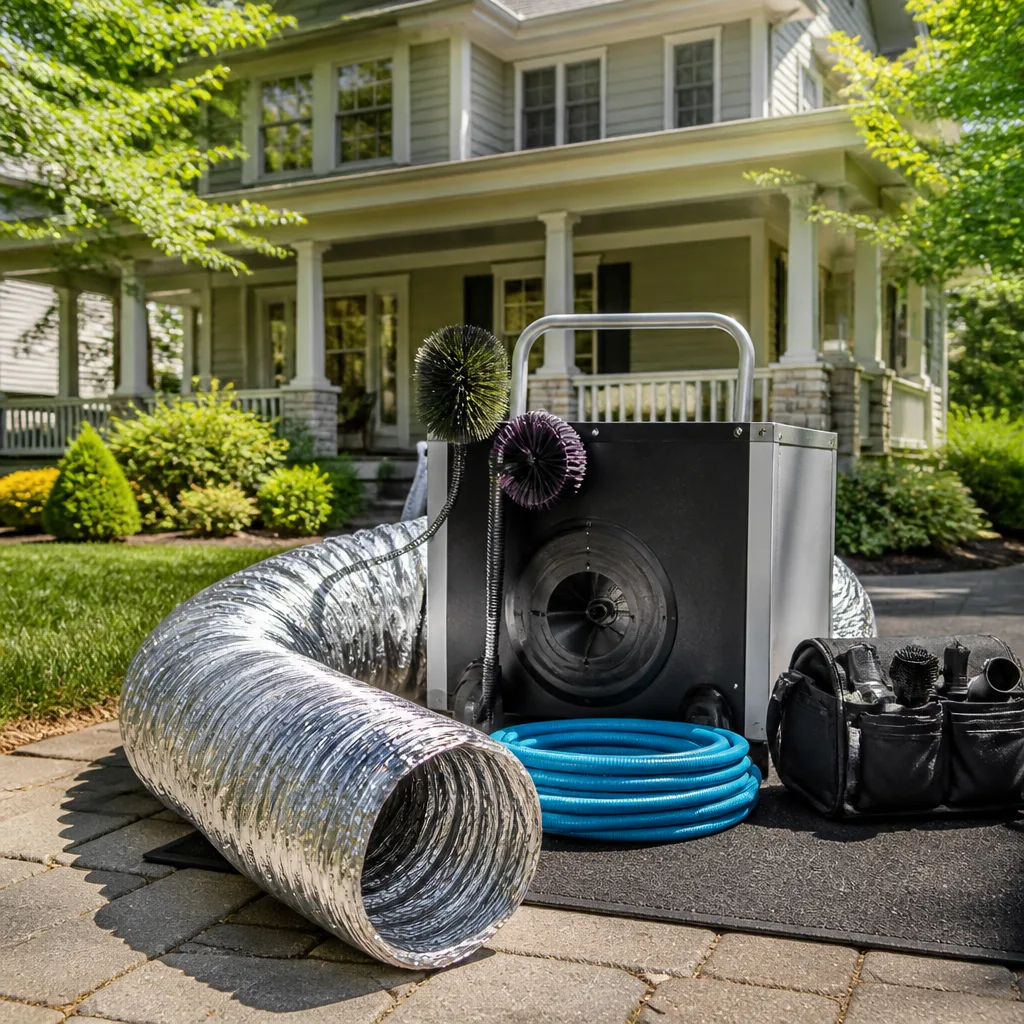 Whole-home duct cleaning
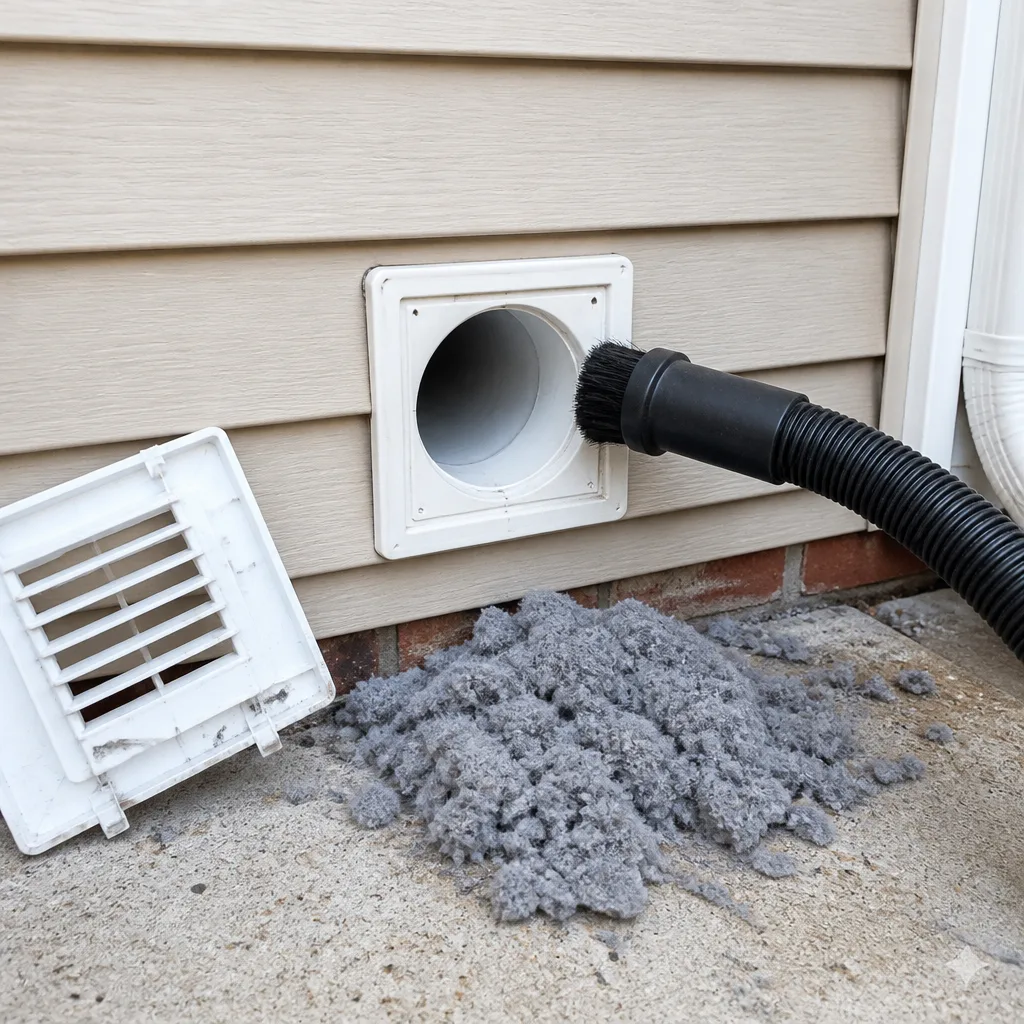 Dryer vent cleaning
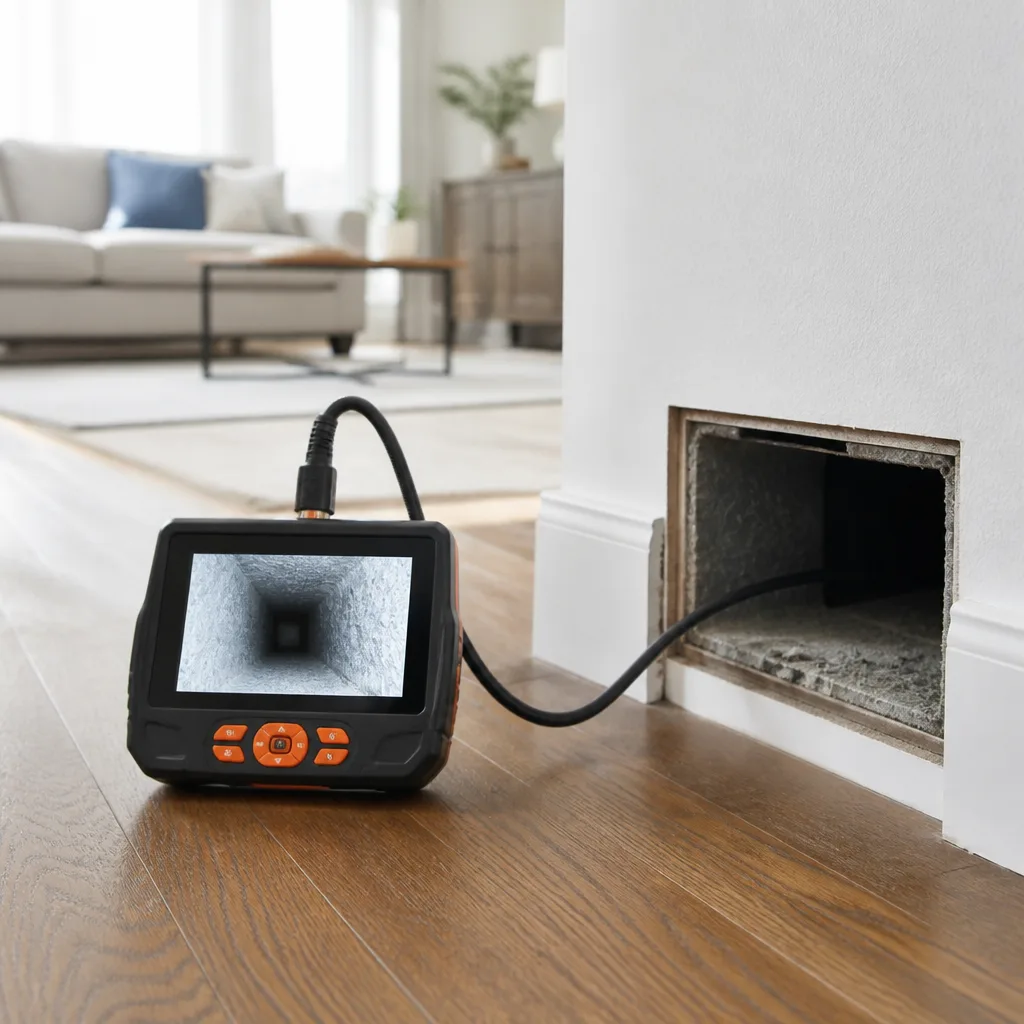 Camera inspection
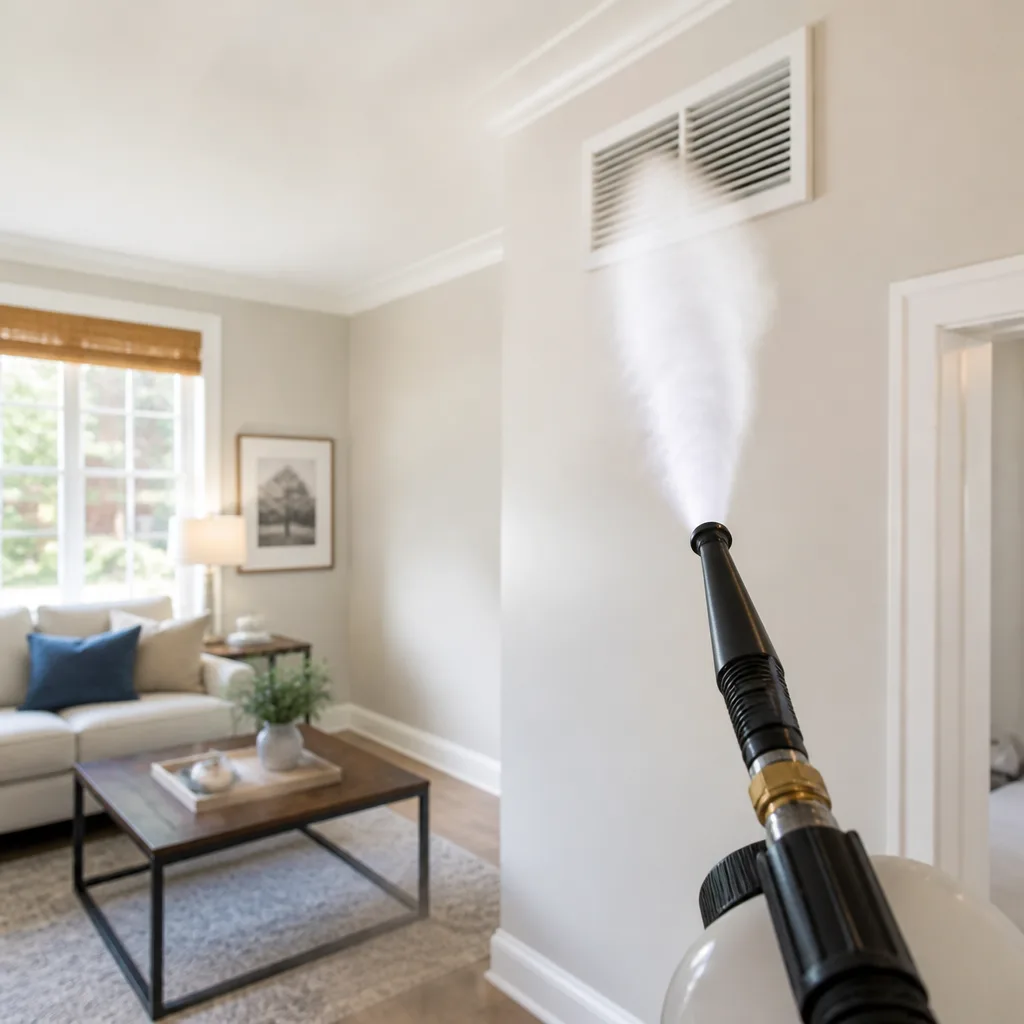 Sanitizing & deodorizing
Whole-system duct and dryer vent check with before-and-after photos - you see exactly what came out of your vents
That "$99 whole-house special" is a bait ad - the real number appears once they are in your hallway, or the "clean" is a shop-vac at the register. We photograph the inside of your ducts before and after instead.
DIY vs Professional Air Duct Cleaning: The West Valley City Homeowner’s Decision Guide
Most homeowners who try to clean their own ducts don’t fail because they lack care or skill. They fail because a shop vacuum moves roughly 50 to 100 cubic feet of air per minute, while a truck-mounted professional system moves something in the range of 15,000 to 20,000 CFM. That gap isn’t about technique. It’s physics. When a DIY brush knocks debris loose in a trunk line but the vacuum behind it can’t sustain enough negative pressure to carry that debris out, the material doesn’t vanish. It resettles downstream, often closer to the rooms you were trying to protect. In West Valley City, where a dry, dusty valley climate keeps fine particulate in constant circulation, that difference matters more than most people expect. This guide walks through what DIY genuinely accomplishes, where it stops working, and how to decide which approach your home actually needs.
Quick Answer
DIY air duct cleaning can handle surface-level tasks like wiping supply registers, cleaning return grilles, and changing filters, but it cannot achieve true source-removal cleaning because consumer vacuums don’t generate the airflow or static pressure required to extract debris from the full duct system. Professional cleaning in West Valley City is the right call when you see visible mold, rodent evidence, heavy dust after renovation, or noticeable airflow and efficiency problems. For routine maintenance between professional visits, a careful DIY routine is genuinely useful.
Styles & brands we work with
- Whole-home duct cleaning
- Dryer vent cleaning
- Camera inspection
- Sanitizing & deodorizing
Table of Contents
- Why Airflow Physics Decides This Debate
- What You Can Actually Do Yourself
- Where DIY Cleaning Stops Working
- Contamination Scenarios Where DIY Does Harm
- The Cost-Benefit Math for West Valley City Homes
- What Professional-Grade Equipment Actually Does
- Building a DIY Maintenance Routine That Extends the Interval
- A Step-by-Step Decision Framework
Why Airflow Physics Decides This Debate
The single most important number in any duct cleaning conversation is airflow, measured in cubic feet per minute. Consumer shop vacuums, even the larger models sold for garage use, typically move between 50 and 100 CFM at the hose. That sounds like a lot when you’re sucking up sawdust, but it’s a small fraction of what’s needed to pull dislodged debris through thirty or forty feet of duct trunk with multiple bends and branches.
Professional duct cleaning systems generate airflow in a completely different category, roughly 15,000 to 20,000 CFM at the truck-mounted unit. That difference isn’t cosmetic. It’s the reason a professional system can put the entire duct run under sustained negative pressure before any mechanical agitation begins. Debris that gets loosened is captured and carried out in the same motion, rather than floating into the next room’s supply line.
Static pressure is the second half of the equation. To move air through a duct system, the vacuum has to overcome the resistance created by every fitting, every turn, and every length of flexible or rigid duct. A consumer vacuum’s static pressure performance falls off sharply once you connect twenty feet of hose and start working against that resistance. A professional system is designed to overcome it.
Here’s what that looks like in practice:
- A DIY brush kit agitates dust off the duct walls reasonably well.
- The consumer vacuum attached to the brush can only capture a portion of what’s loosened, because it can’t sustain the airflow to pull it out.
- The remaining debris gets pushed further into the system, often past the point where any DIY tool can reach.
- A professional system starts by pulling the whole run under vacuum, then agitates, so loosened material has only one direction to go: out.
This is why the honest answer to “can I just clean my own ducts?” is yes, partially, and never as thoroughly as a proper cleaning. Understanding that ceiling is the whole point of this guide.
What You Can Actually Do Yourself
There’s real value in a homeowner maintenance routine, and we want to be clear about that before we talk about professional limits. Several important tasks are entirely within reach, and doing them correctly protects your system between professional cleanings.
Cleaning supply registers and return grilles
The registers and grilles you see in each room are the most accessible part of the system. Pop them off, wash them in warm soapy water, dry them fully, and reinstall. It takes twenty minutes and makes a visible difference. While they’re off, wipe the visible duct opening with a damp cloth. That small step alone reduces the dust that would otherwise fall back into the airstream.
Changing filters on the right schedule
This is the single highest-impact maintenance task in any West Valley City home, and it’s free of equipment requirements. During dusty stretches, especially when the valley gets windy, a filter can load up faster than the printed interval suggests. Check it monthly, hold it up to a light, and replace it when you can’t see through it. A clogged filter strains the blower and reduces airflow throughout the house.
Visual inspection
You can check a lot with a flashlight and a phone camera. Look into each register opening for visible dust buildup, dark patches, or pest evidence. Photograph anything that concerns you, and note which rooms seem worst. This record becomes genuinely useful when a technician arrives, because it points them at specific runs.
Cleaning accessible return duct openings
Where the return duct opening is reachable, you can vacuum the visible interior surface with a shop vacuum and a narrow attachment. That’s about as far as consumer equipment reliably reaches. Anything deeper into the run is beyond what a shop vacuum can pull.
Those four tasks, done consistently, will keep the visible system cleaner and slow the buildup inside it. None of them, though, touches the interior surfaces of the trunk lines and long branches where the actual accumulation sits.
Where DIY Cleaning Stops Working
The honest limit of DIY is roughly the first foot inside any duct opening. Past that, three physical constraints take over, and none of them are solvable with consumer equipment.
Reach
Consumer brush kits are typically ten to twenty feet long, and the flexible ones lose effectiveness as they bend. A typical West Valley City home has branch runs that exceed that length, plus trunk lines that run the width of the house. Any section not physically reached is not cleaned. It’s that simple.
Capture
As covered above, a DIY vacuum can’t sustain the airflow to remove what it loosens. If you’re pushing dust around inside a duct without pulling it out, you’ve changed the distribution of the contamination, not reduced it.
Access to the full system
Real cleaning requires access ports, and professional systems are set up to open and reseal the duct at strategic points. DIY work is limited to whatever grilles and registers happen to be accessible, which means entire runs – especially those serving rooms above the main floor or through the attic – stay completely untouched.
If you want a sense of what full-system cleaning actually covers, the scope of air duct cleaning in West Valley City includes every branch, every trunk segment, and the equipment itself, not just the openings you can see.
Contamination Scenarios Where DIY Does Harm
Here’s where this stops being a question of thoroughness and becomes one of safety. Three contamination scenarios affect West Valley City homes regularly, and in each one, disturbing the system without proper capture makes the indoor air worse, not better.
Active mold growth
If you see blotchy dark patches inside a register, or smell a persistent musty odor when the system runs, there’s a good chance mold is colonizing the interior surfaces. Agitating mold colonies with a brush without HEPA-level capture aerosolizes spores throughout the living space. Professional remediation uses filtration equipment in the Abatement Technologies category, the same grade used in containment work, so spores are captured rather than spread. This is not a DIY scenario.
Rodent debris
Hantavirus and other pathogens associated with rodent droppings make disturbed debris a genuine health concern, not a hypothetical one. You should never vacuum rodent debris in a duct system with a shop vacuum. A shop vacuum throws more fine material into the air than it captures, and standard vacuum filters don’t contain the particles that matter.
Post-renovation drywall dust
After a remodel, fine drywall dust settles throughout the duct system and gets pulled into the air handler on every cycle. It’s also abrasive, and drywall dust is aggressive against blower components. A shop vacuum will struggle to contain it, and every time the HVAC fan runs, it recycles what’s left. Professional cleaning after a renovation is one of the clearest cases where the value is obvious.
In all three scenarios, the general principle holds: disturbance without adequate capture is worse than leaving it alone. If you’re unsure which situation you have, HVAC cleaning addresses the equipment side and a professional inspection can confirm what’s actually inside the system.
The Cost-Benefit Math for West Valley City Homes
Nobody should make this decision on price alone, but the price comparison deserves an honest look, because the true cost includes energy use over time. A fouled duct system and a dirty blower wheel both reduce airflow, and reduced airflow means the system runs longer to reach the same temperature.
Here’s how the general comparison works out:
- DIY approach: Shop vacuum and brush kit (the equipment is reusable), plus a few hours of your time per cleaning cycle. Filter changes continue either way. The limitation is coverage, not cost.
- Professional approach: A single full-system cleaning per recommended interval, done with equipment that can actually achieve source removal. The estimate is free, and we’ve arranged our pricing around whole-system jobs so the invoice matches the quote.
- DIY maintenance between professional visits: Register cleaning, filter changes, and visual inspections keep the system cleaner between visits and are essentially free.
The efficiency angle deserves attention in West Valley City specifically, because the temperature swing between summer and winter here is wide enough that the HVAC system works hard most of the year. A system that’s fighting restricted airflow during a 95-degree July afternoon or a cold January morning will show that fight on your utility bill. Cleaning a fouled system doesn’t turn a bad HVAC into a great one, but it removes a problem that shouldn’t be there in the first place.
For a full look at what professional cleaning covers in this market, and how the scope compares to what you’d do yourself, our West Valley City Air Duct Cleaning Pros page lays out the service set.
What Professional-Grade Equipment Actually Does
This is where the difference stops being theoretical. The equipment category matters because it determines what’s physically possible, not what’s promised.
Professional systems like Rotobrush use a combination of high-volume vacuum and mechanical agitation, with the brush and whip tools designed to match the internal geometry of different duct types. The system is connected at the truck or via a HEPA-filtration unit at the service point, and the whole run is placed under vacuum before the cleaning tools are inserted, so debris has nowhere to go but out.
Nikro equipment plays a similar role in the process, and the combination of the two is what allows full branch and trunk coverage. Abatement Technologies filtration equipment raises the capture standard during the service, so the material removed stays contained. In the finishing stage, Guardsman-grade protection products are used to treat the cleaned surfaces.
For homes with whole-home air quality systems, the equipment compatibility matters too. We’re set up to work on Honeywell and Aprilaire systems, which means the cleaning process doesn’t break the air quality equipment you’ve already invested in.
One more capability deserves its own mention: duct repair and sealing. Cleaning reveals things that don’t show up on inspection – loose joints, disconnected runs, sagging flex duct, cracked boots. If a system is cleaned but not sealed, the cleaned surfaces just collect new dust faster. We repair what we find so the cleaned system holds its condition longer. That’s a step most cleaning-only companies don’t take, and it’s the reason the interval between full cleanings can stretch further when it’s done right.
Building a DIY Maintenance Routine That Extends the Interval
If your goal is to go as long as reasonably possible between professional cleanings, a well-designed DIY routine is genuinely useful. The point isn’t to replace professional work. It’s to stretch the interval and catch developing problems early.
Here’s a routine that works for most West Valley City homes:
- Monthly: Check the HVAC filter. Hold it up to a light; if light doesn’t pass through, replace it. Note the date on the frame with a marker so you can track how fast it loads.
- Monthly during dusty season: Walk through the house and look at every supply and return register. Photograph anything that looks darker or dustier than the others.
- Every three months: Remove and wash supply registers and return grilles. Wipe the visible duct openings with a damp cloth while they’re off.
- Twice a year: Inspect the return duct openings with a flashlight and phone camera. If you see visible buildup beyond the first few inches, that’s a sign to schedule a professional assessment.
- After any renovation: Change the filter immediately, then check it again in two weeks. Drywall dust loads filters fast.
- Annually: Book a professional inspection if any of the earlier steps turn up evidence of mold, pest activity, or worsening airflow.
Following that routine won’t eliminate the need for professional cleaning. It will, however, keep the system cleaner between visits, catch developing problems before they escalate, and give you a real basis for knowing when to call. If you want a specific recommendation for your home’s schedule, call (855) 337-1649 for a free estimate.
A Step-by-Step Decision Framework
If you’re still not sure which way to go, walk through these questions in order. The first one you answer “yes” to tells you what to do.
- Is there visible mold or a persistent musty odor? Call a professional. This is a safety issue, not a maintenance question.
- Is there rodent evidence in or around the ductwork? Call a professional. Disturbing rodent debris without proper containment is a health hazard.
- Has the house had significant renovation in the last six months? Call a professional. Drywall dust is a specific problem that DIY cleaning can’t resolve.
- Have you lived in the home for more than three years without a professional cleaning, and do you notice reduced airflow or higher bills? Get a professional assessment. The system may or may not need cleaning, but you want a trained eye on it.
- Is the airflow strong, no musty smells, no visible contamination, and the home less than three years old? A DIY maintenance routine is reasonable. Run it until something changes.
- Are you in a valley home with significantly dusty conditions during windy season? Consider professional cleaning more often than a sheltered home would need. The valley environment puts more particulate into the air supply.
When professional service does make sense, the full service approach covers more of the air pathway than most people expect. That includes dryer vent cleaning, which handles a serious fire-safety concern that most homeowners never think to check.
Common Mistakes to Avoid
- Vacuuming with a shop vacuum and calling it done. A shop vacuum agitates debris more than it removes it. Without the airflow of a professional system, dust gets redistributed through the house instead of extracted.
- Ignoring the filter while running the system hard. During West Valley City’s hot summers, the HVAC runs constantly, so a clogged filter compounds the airflow problem within days. Check it monthly during high-demand periods.
- Buying brush kits without checking duct length. Consumer kits are typically too short for a full branch run. Half-cleaned ducts still leave debris in the system while giving the impression of a proper cleaning.
- Skipping the return side. Most homeowners focus on supply registers because they’re visible. The return duct is where a lot of the accumulation actually sits, and it’s the harder side to clean.
- Treating a renovation like it doesn’t require special cleaning. Drywall dust from a West Valley City remodel ends up throughout the system and needs more than a filter change to clear.
- Assuming cleaners cover everything they need to. If a cleaning company can’t repair or seal what they find, you’ll likely be booking a second company for the fix. Confirm the scope includes repair, not just removal.
- Cleaning only once in a decade, or cleaning on a schedule that’s too aggressive. Neither extreme makes sense. Match the interval to what your system is actually accumulating.
See the difference
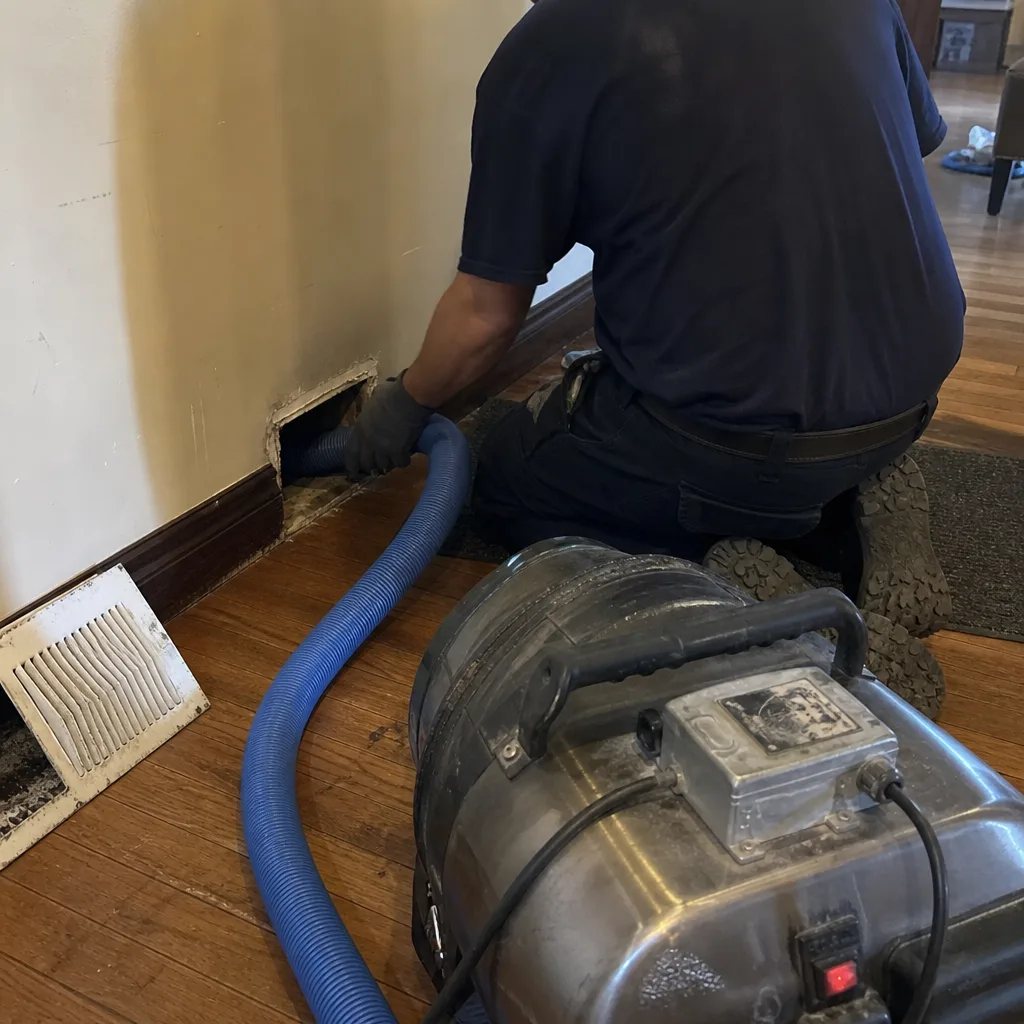 Before
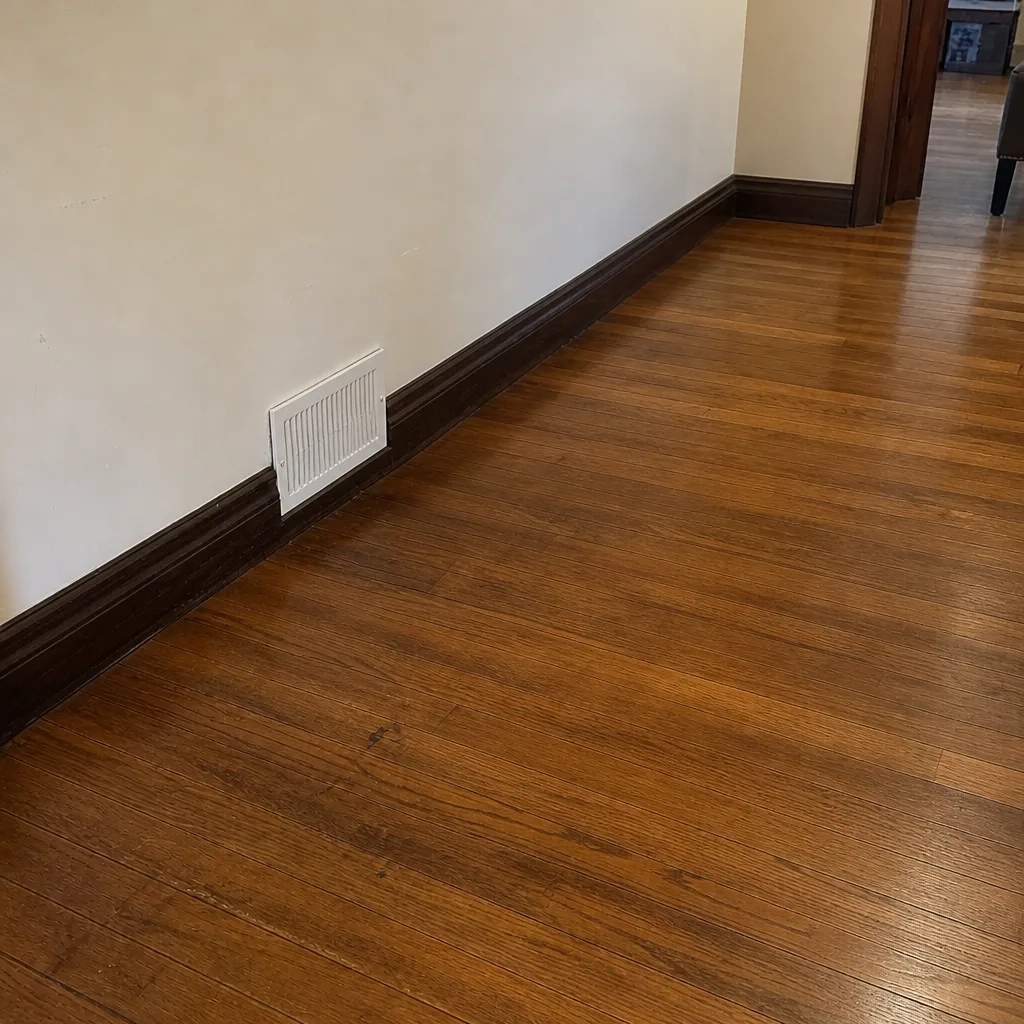 After
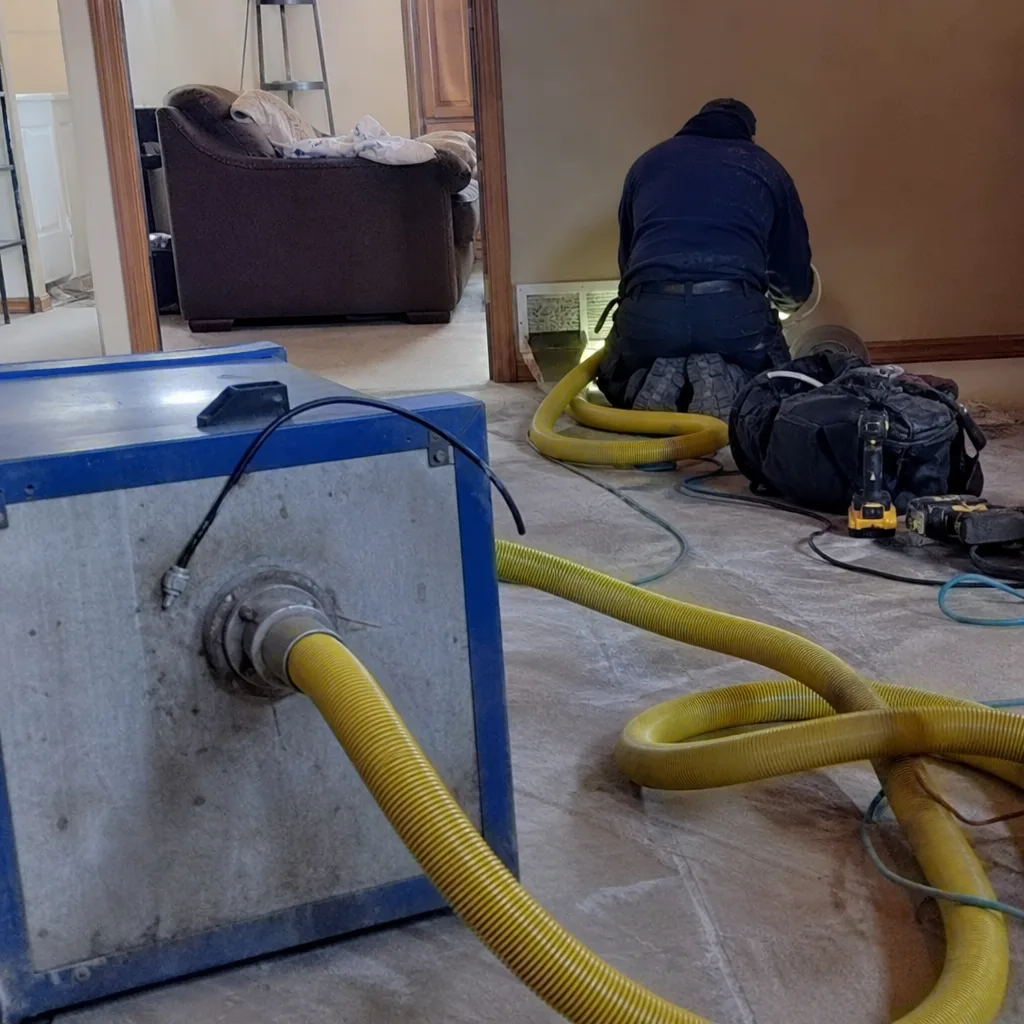 Before
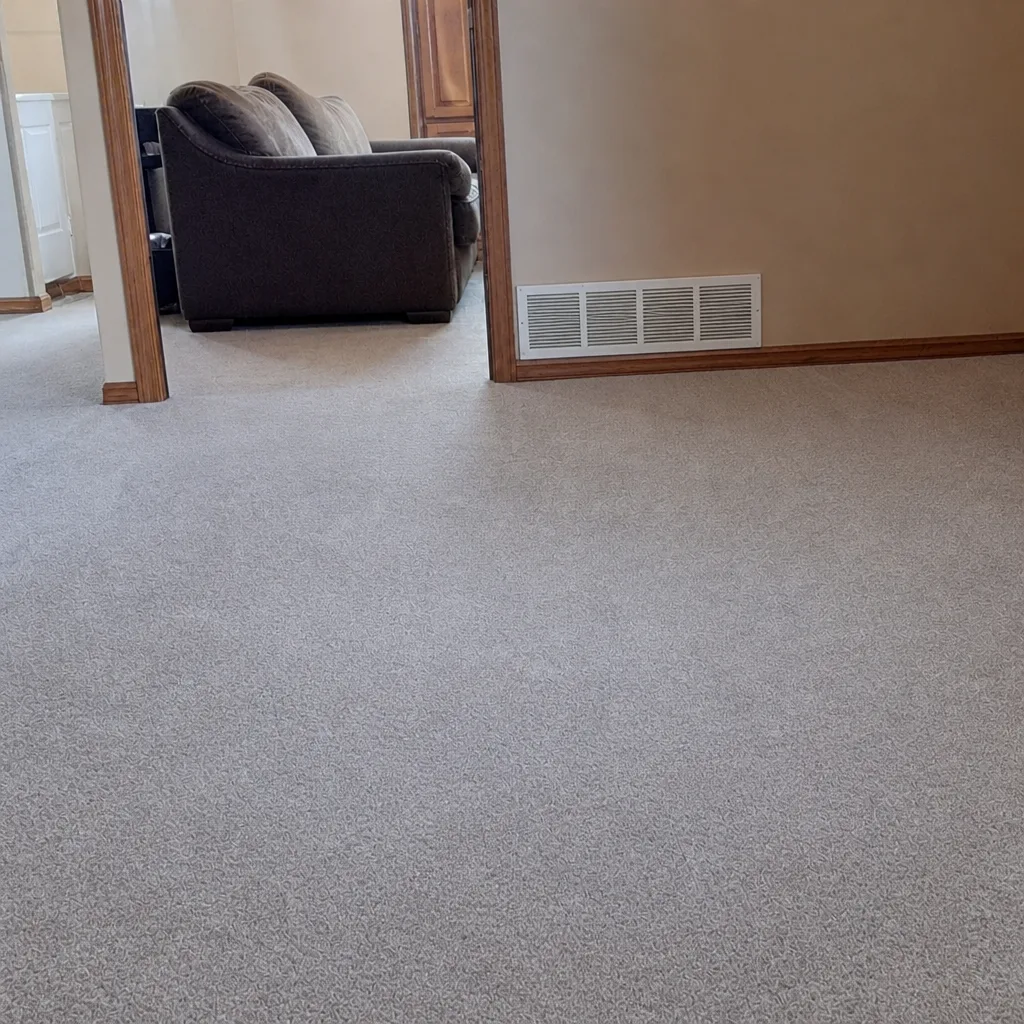 After
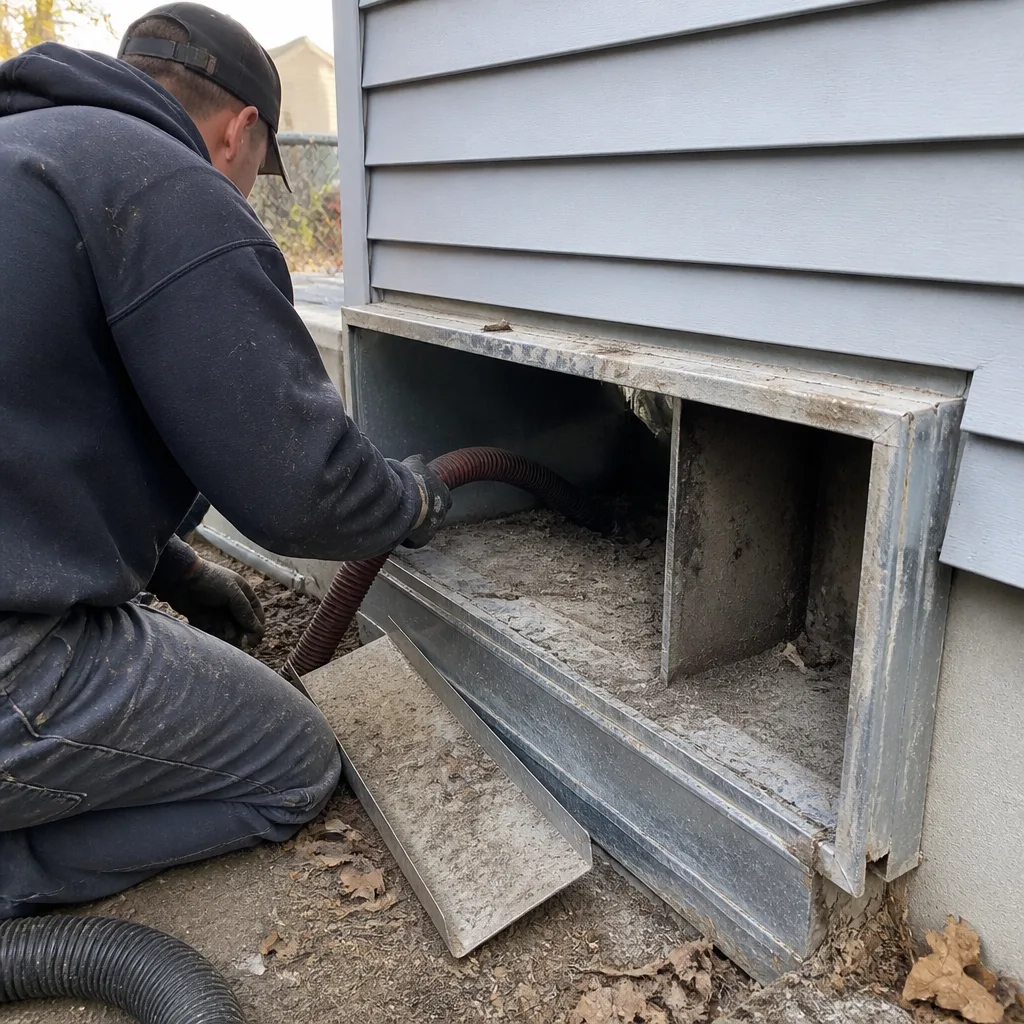 Before
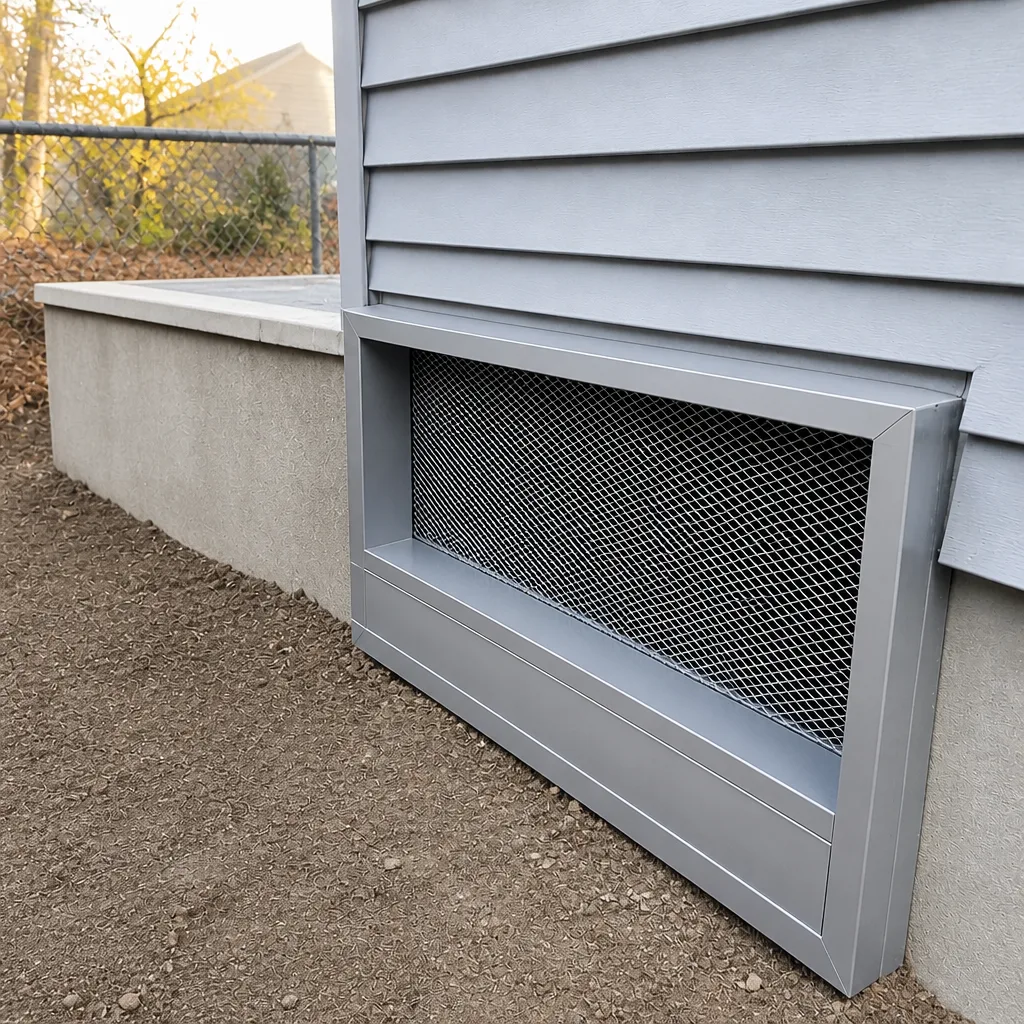 After
When to Call a Professional
Specific situations warrant a professional call rather than a DIY attempt. Visible mold inside any register, any rodent evidence in the system, or a renovation completed in the last year are all clear-triggers. So are persistent musty odors when the HVAC runs, noticeable reductions in airflow that a filter change doesn’t resolve, and any signs of damage to the ductwork itself, like disconnected runs or sagging flex duct. If you’ve lived in a West Valley City home for several years without a professional cleaning and you’re seeing rising utility bills alongside visible dust, an assessment is worth the call. West Valley City Air Duct Cleaning Pros offers free estimates in West Valley City – call (855) 337-1649. We answer 24/7. Fast dispatch from 7am to 7pm, Sunday through Friday.
Frequently Asked Questions
You can clean accessible registers, grilles, and the visible first few inches of a duct opening, but you can’t clean the full duct system effectively because consumer vacuums don’t generate the airflow necessary to extract dislodged debris. DIY cleaning shifts dust around more than it removes. Call (855) 337-1649 for a free estimate on professional cleaning.
A professional full-system cleaning in West Valley City is priced per job by written estimate, and the estimate itself is free. Whole-home cleaning is typically quoted as a single flat price for the system rather than per register, so the invoice matches what you agreed to. Call (855) 337-1649 for a free estimate specific to your home.
Cheaper quotes often cover only the visible openings or use consumer-grade equipment that can’t achieve source removal, so the system isn’t actually cleaned even though the visit happened. Ask what equipment will be used and whether the scope includes every branch and trunk run, plus repair and sealing capability if issues turn up. Call (855) 337-1649 for a free estimate.
Ask for before-and-after photos of your own duct system. A proper cleaning produces visible evidence because the equipment actually removes material rather than pushing it around. If the company can’t show you the change, that tells you what you need to know. Call (855) 337-1649 for a free estimate.
Most West Valley City homes need professional cleaning every three to five years, though homes in dusty areas, homes with pets, and homes with recent renovations may need it more often. A DIY maintenance routine extends the interval by keeping the visible system cleaner. Call (855) 337-1649 for a free estimate.
The dry, dusty valley environment means more particulate in the air supply than in more humid or sheltered locations, so HVAC filters load up faster and duct cleanup cycles may need to be slightly shorter. Running a filter check monthly during dusty season is the best way to track this for your specific home.
The Bottom Line
DIY air duct cleaning isn’t useless – it handles the visible, accessible surface of the system, and a well-designed maintenance routine genuinely extends the interval between professional cleanings. What it can’t do is achieve source removal inside the duct runs, because consumer vacuums can’t sustain the airflow and static pressure that requires. When the system has active mold, rodent debris, or post-renovation dust, addressing it yourself makes the situation worse, and professional cleaning is the right call. Use DIY for the routine work, schedule professional cleaning on the interval that fits your home, and treat household air quality as a system rather than a task.
If you’d like a professional assessment of your ducts in West Valley City, call (855) 337-1649 for a free estimate. We answer 24/7. Fast dispatch from 7am to 7pm, Sunday through Friday.
Written by the team at West Valley City Air Duct Cleaning Pros.