
Last updated November 24, 2026
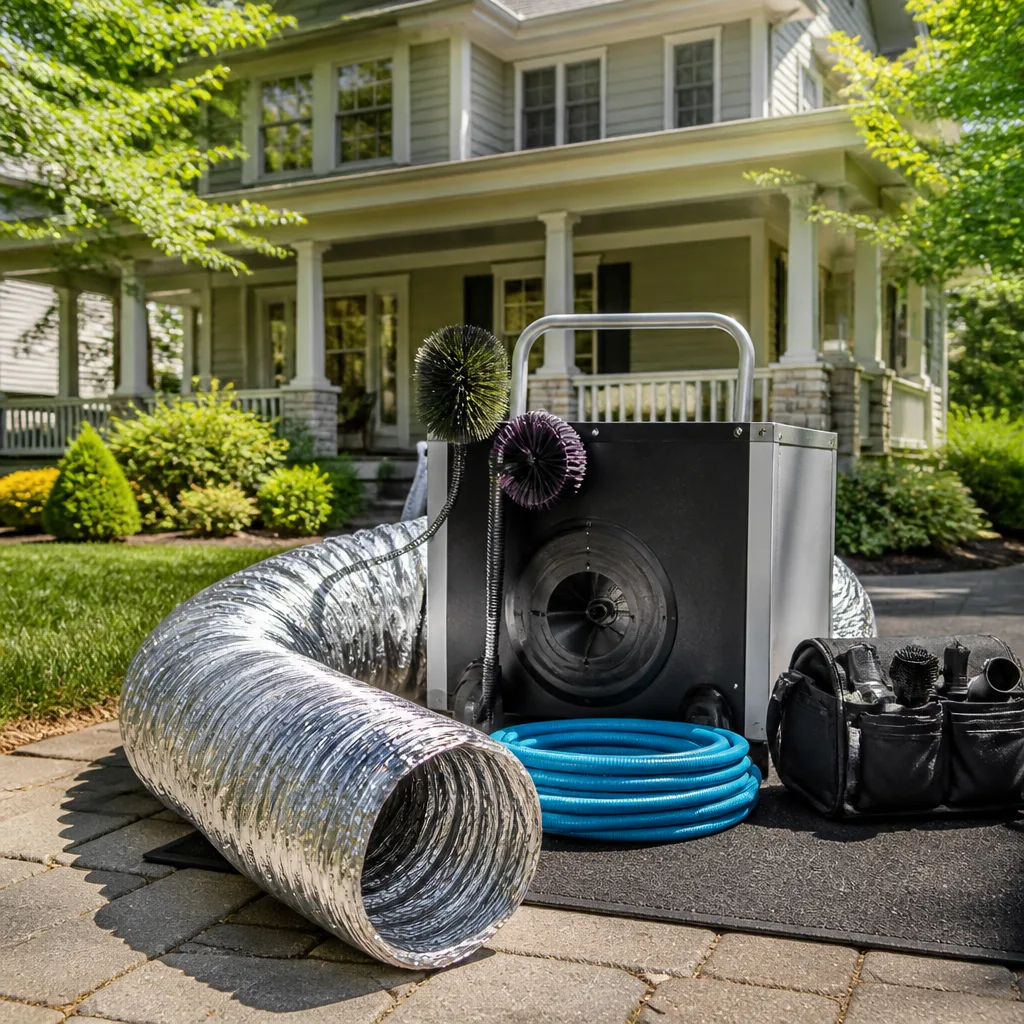 Whole-home duct cleaning
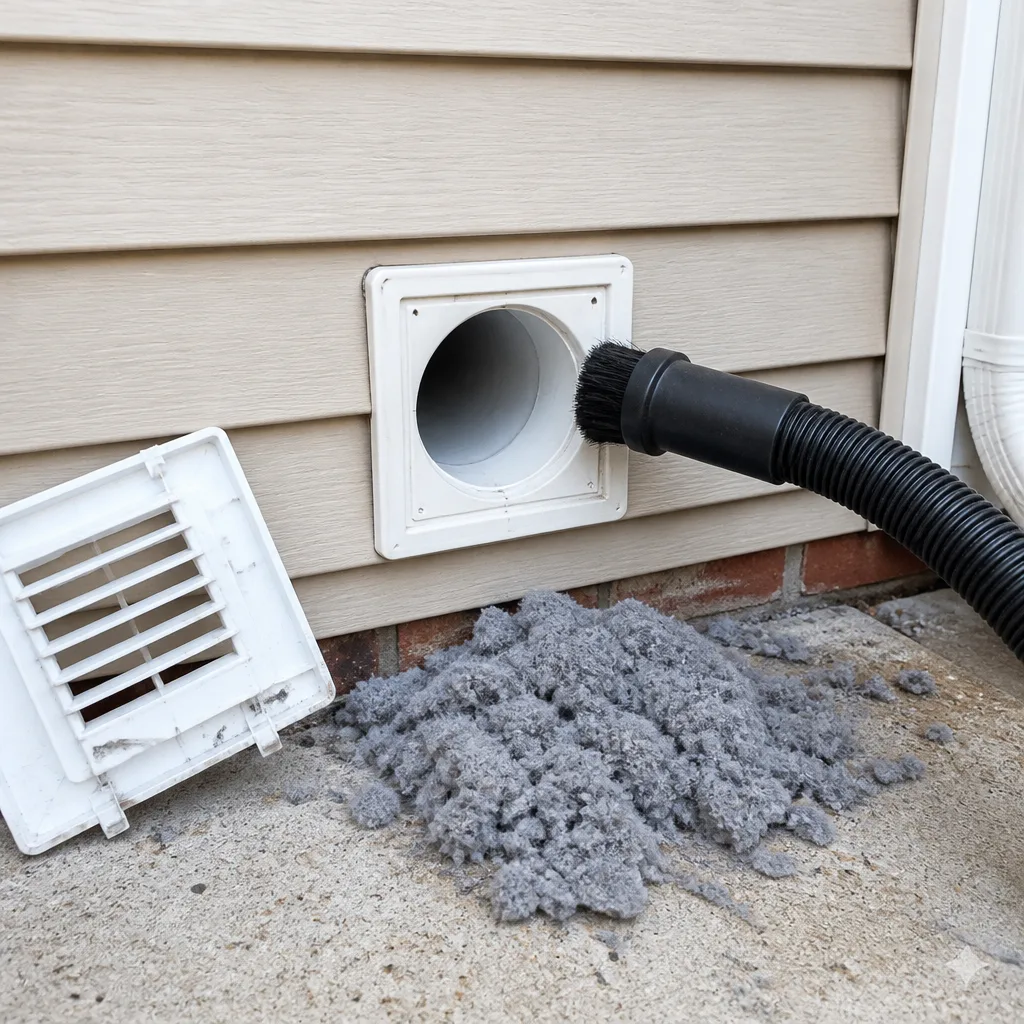 Dryer vent cleaning
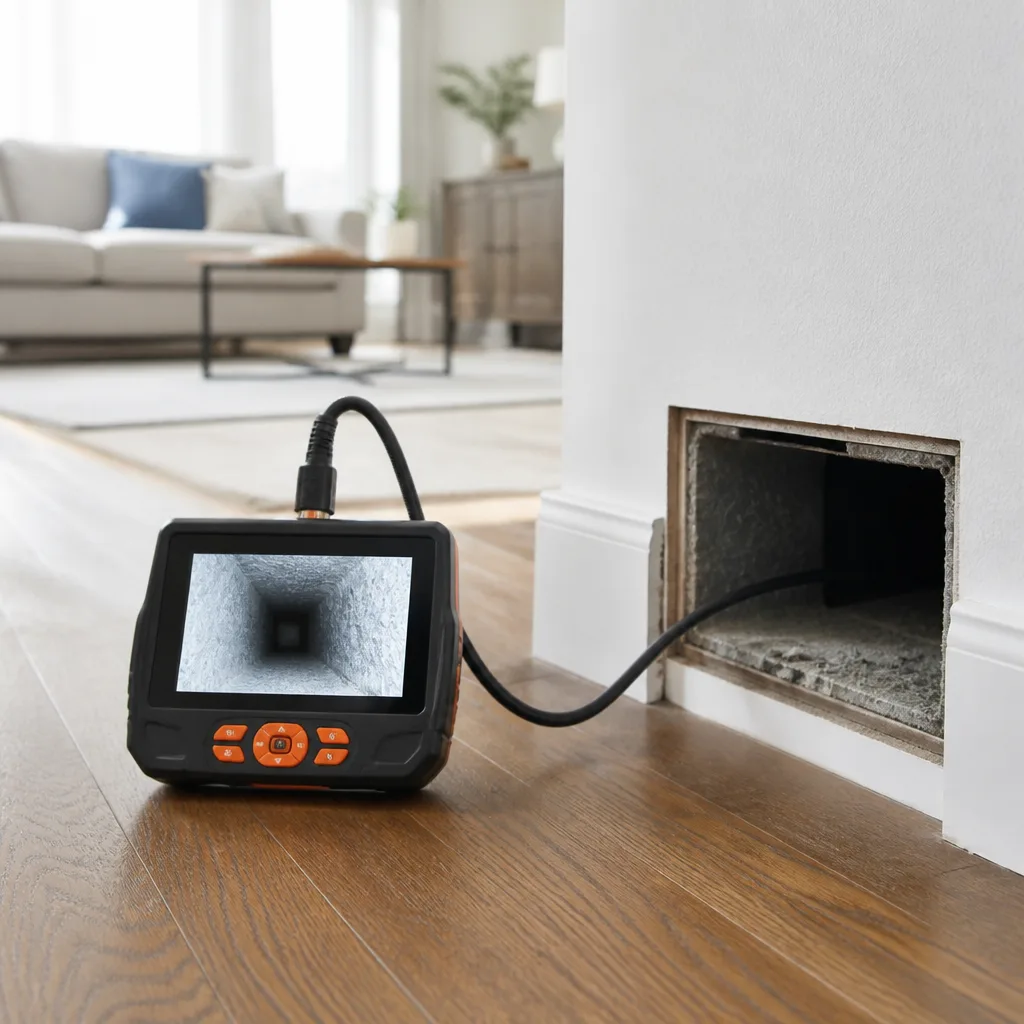 Camera inspection
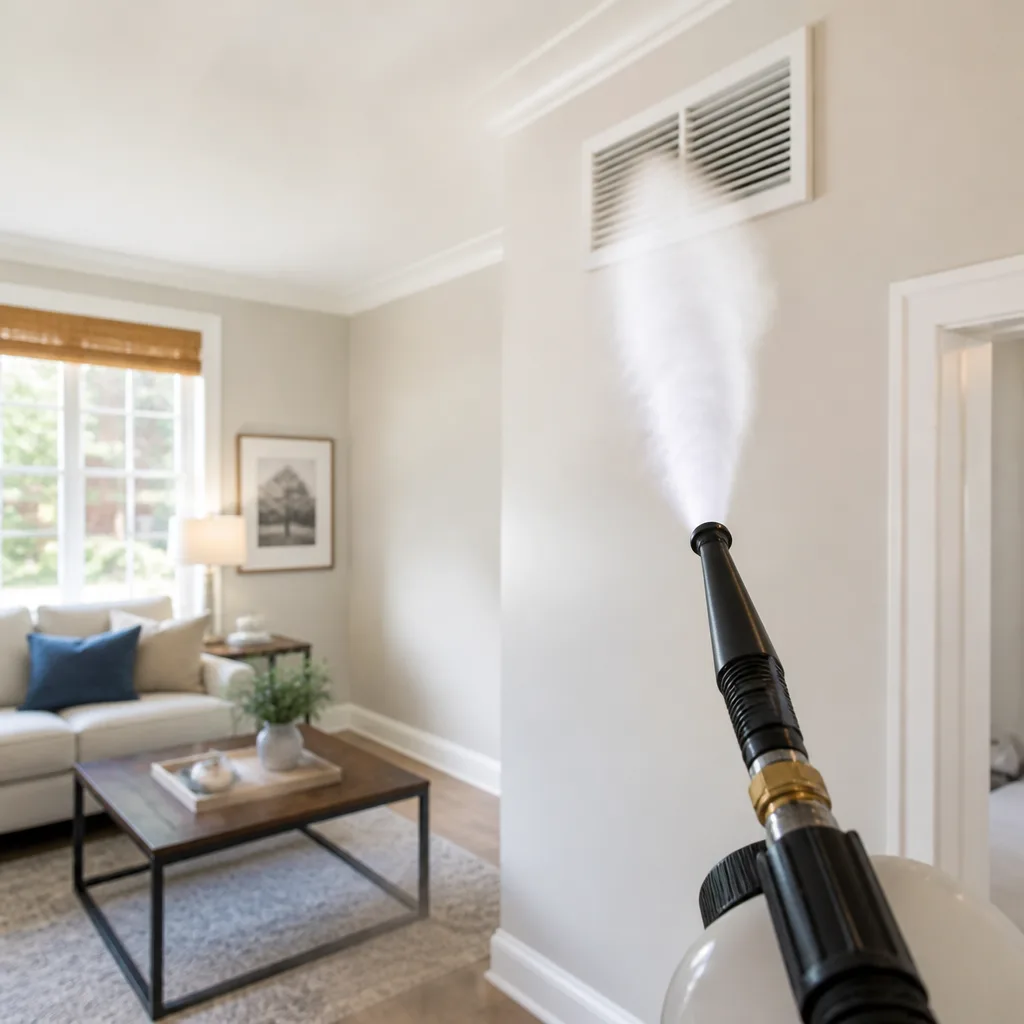 Sanitizing & deodorizing
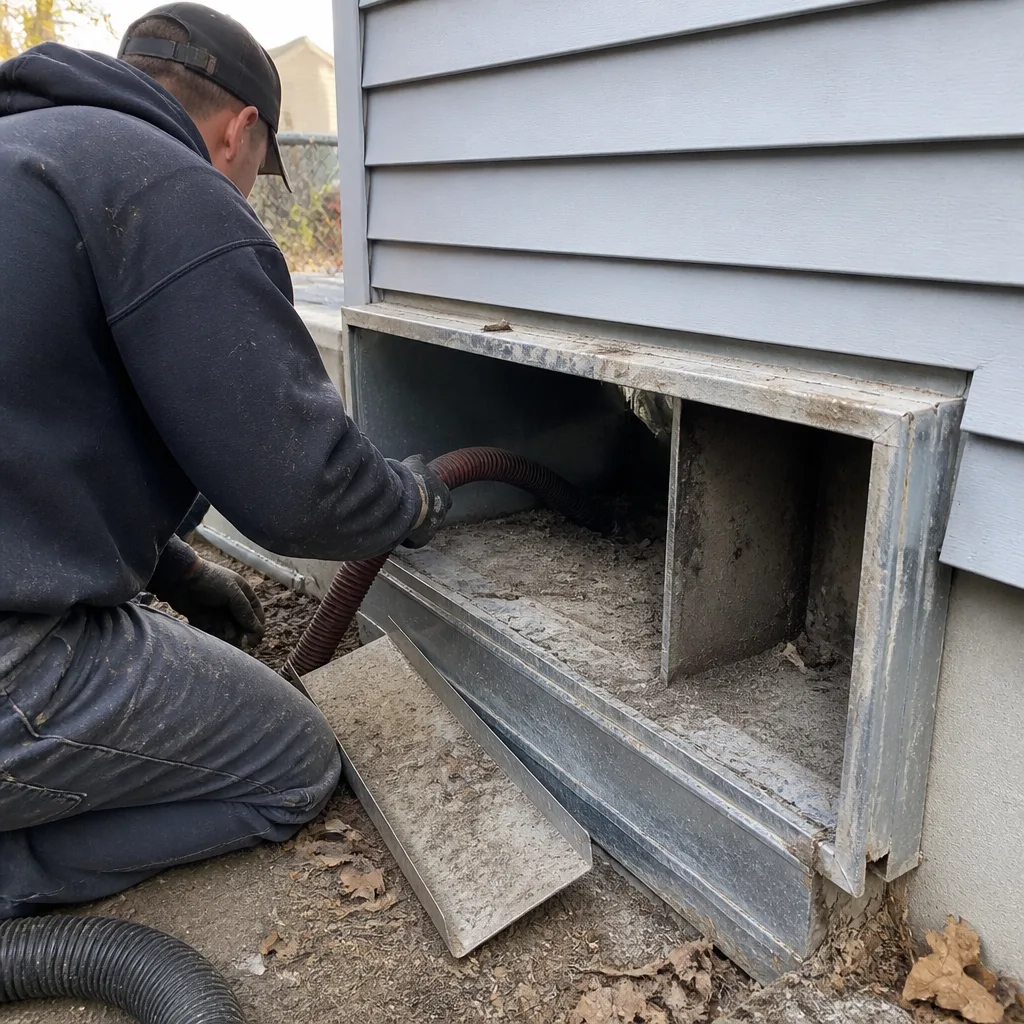
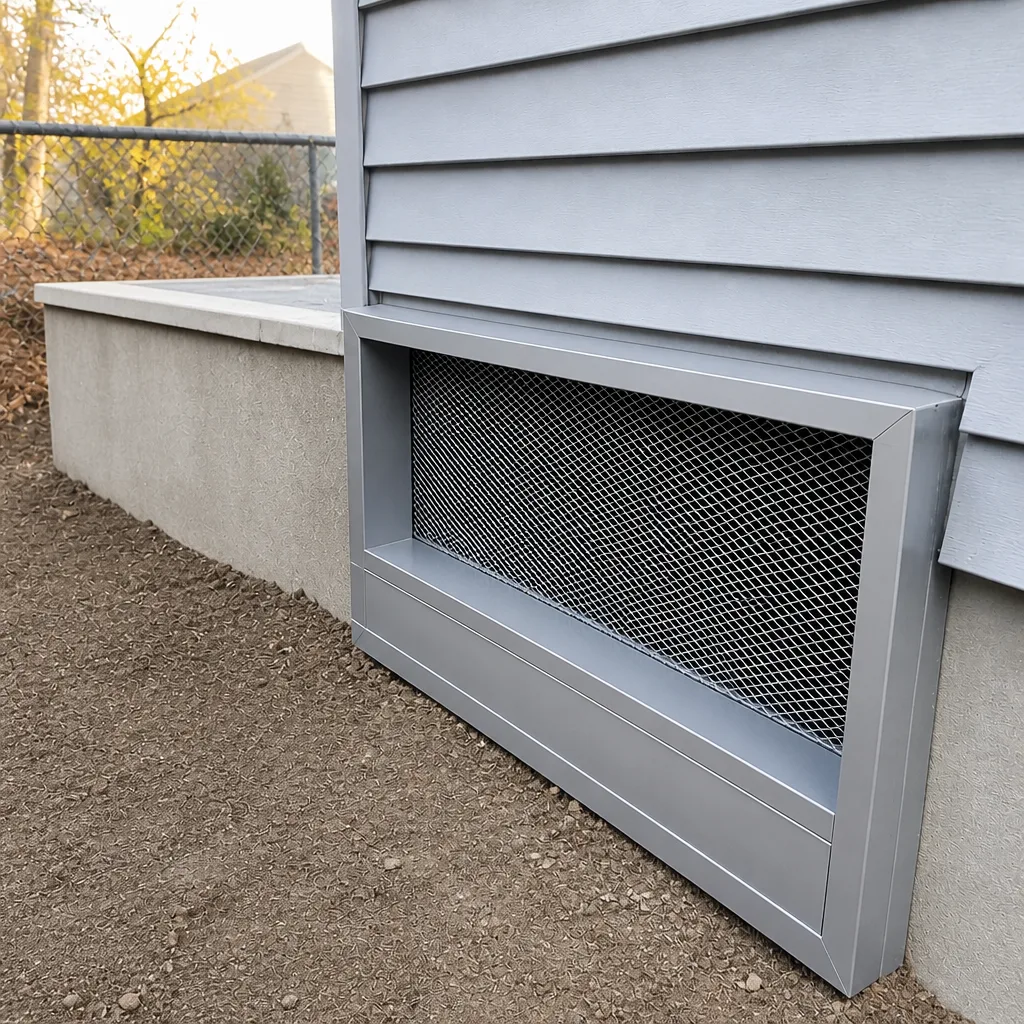
Whole-system duct and dryer vent check with before-and-after photos - you see exactly what came out of your vents
That "$99 whole-house special" is a bait ad - the real number appears once they are in your hallway, or the "clean" is a shop-vac at the register. We photograph the inside of your ducts before and after instead.
The Complete Guide to Air Duct Cleaning in West Valley City
Most people assume their ducts are dirty because of dust and dander. In West Valley City, that’s only part of the story. The bigger driver is geography. The Wasatch Front traps particulate from the valley floor during inversion events, and your HVAC system spends that time pulling it in, filtering what it can, and settling the rest inside ductwork that may not have been touched since the house was built. This guide explains what actually degrades indoor air in West Valley City, why tract-home layouts make it worse, how to tell source-removal cleaning from a glorified vacuum, and how to verify the work was done.
Quick Answer
Air duct cleaning in West Valley City removes accumulated particulate, debris, and biological buildup from the full air pathway: supply ducts, return ducts, the air handler coil, blower wheel, and drain pan. Because Salt Lake Valley inversion events drive extended periods of elevated PM2.5, ducts here load faster than in many other markets and often need cleaning on a shorter cycle. The work should be done with professional-grade mechanical equipment and verified with a post-service inspection, not a technician’s word.
Styles & brands we work with
- Whole-home duct cleaning
- Dryer vent cleaning
- Camera inspection
- Sanitizing & deodorizing
Table of Contents
- Why Inversion Season Changes the Duct Cleaning Math in West Valley City
- Source-Removal Cleaning vs. Blow-and-Vacuum: What’s the Difference?
- How Tract-Home Duct Layouts Create Dead-Leg Zones
- The Full Air Pathway: What a Complete Cleaning Actually Covers
- Duct Repair and Sealing: Clean It, Then Keep It Clean
- How to Verify the Job Was Actually Done
- How Often Should West Valley City Homes Be Cleaned?
- What Air Duct Cleaning Costs in West Valley City
Why Inversion Season Changes the Duct Cleaning Math in West Valley City
During a winter inversion, a layer of warmer air sits above the colder valley air and acts like a lid. Emissions from vehicles, homes, and industry stay trapped below it. Salt Lake Valley inversion events can push outdoor PM2.5 levels above EPA hazard thresholds for weeks at a time. That means every hour your HVAC system runs, it’s pulling in concentrated fine particulate, filtering what it can, and pushing the rest into the ductwork.
This is different from the slow dust accumulation most national duct cleaning content describes. It’s a loading event. Fine particles in the 2.5 micron range don’t settle out in the filter box. They travel, and they land on the inside surfaces of ducts, the blower wheel, and the evaporator coil. Over a season or two, that accumulation changes how the system behaves: lower airflow, higher static pressure, more fan energy, and dust redistributed every time the system cycles on.
In our experience working across West Valley City, the most common complaint we get after a bad inversion winter isn’t visible dust. It’s that the house “smells stale” when the heat kicks on, or that allergies seem to flare during the heating season specifically. Both usually trace back to re-circulation of settled particulate.
Two practical implications for West Valley City homeowners:
- The standard “every 3 to 5 years” guidance is too loose for consistently occupied homes here. Many homes benefit from a shorter cycle.
- Filter changes alone don’t solve it. A filter captures what’s airborne during the cycle; it doesn’t remove what’s already resident in the system.
If your household has allergy sufferers, infants, or older adults, the case for keeping the system clean tightens further. The air duct cleaning service we offer is built around that reality.
Source-Removal Cleaning vs. Blow-and-Vacuum: What’s the Difference?
Not all duct cleaning is the same operation. There are broadly two approaches in the trade, and the difference is significant.
Blow-and-vacuum
The technician attaches a vacuum at one end and blows compressed air through the system. Loose debris gets dislodged and sucked out. It’s faster and cheaper. It’s also more likely to aerosolize contaminants inside the home during the process and to leave adhered material on duct walls untouched.
Source-removal cleaning
Source-removal means putting the ductwork under negative pressure so nothing escapes into the living space, then physically agitating the surfaces with contact tools. This is where equipment matters. A shop-vac with a brush attached is not source-removal. It’s a small vacuum in a big system.
Professional-grade systems like Rotobrush and Nikro are designed for this job: mechanical agitation inside the duct run, controlled containment, and extraction that captures what’s loosened. That’s the category of equipment we run. Abatement Technologies filtration in the process is the same rough category of equipment used in mold and hazardous-material containment work, which tells you how seriously it treats fine particulate.
Why does this matter to a West Valley City homeowner? Because the thing you’re trying to remove after inversion season is fine, respirable particulate that’s been compacted onto duct surfaces. Blow-and-vacuum moves the loose stuff. Contact agitation with proper containment removes the layer that’s actually adhered.
Ask a simple question before you hire: “What equipment do you use, and are you running negative pressure?” A qualified answer is specific. A vague answer usually means shop-vac.
How Tract-Home Duct Layouts Create Dead-Leg Zones
Large portions of West Valley City’s housing stock are tract-built subdivisions from the late 1980s through the 2000s. These homes share a design pattern: a central air handler with a trunk line running the length of the house and short branch ducts feeding individual rooms. When the layout was cut for economy instead of airflow, several things happen.
The most consequential is the dead-leg zone. A dead leg is a section of duct that receives minimal airflow during normal operation. Common examples:
- Branches serving rooms that are rarely used or closed off
- The far end of a long trunk run where static pressure drops
- Return ducts with undersized grilles relative to the system’s airflow
- Duct runs that were modified during a remodel and never resealed
Because dead legs see low airflow, they also see low self-cleaning. Debris settles there and stays. Then a season like an inversion winter comes, particulate load rises, and the dead leg becomes a reservoir that gradually feeds back into the living space.
In our experience with West Valley City tract homes, dead legs usually aren’t visible from a supply register. They’re found during a full-system inspection when the technician traces the trunk and branch layout and checks static pressure. That’s one reason a register-by-register cleaning routine misses the problem.
Homeowners in neighborhoods like Hunter, Granger, and West Valley’s more recent subdivisions along the western bench all share this layout reality. Newer construction tends to have better-sealed ductwork, but the dead-leg pattern still shows up whenever a room gets closed off or a branch gets added without a balancing damper.
The Full Air Pathway: What a Complete Cleaning Actually Covers
The most common shortfall we see is a cleaning that only addresses the supply branches. The branches are the visible part, but they’re also the easiest. The parts that matter most live behind the air handler door. A complete cleaning in West Valley City should cover the entire air pathway:
- Supply ducts (the branches feeding rooms) – the visible runs and the trunk they connect to.
- Return ducts – often neglected, and often the most heavily loaded because return air carries particulate straight from the living space.
- The air handler cabinet – interior surfaces, seams, and the filter rack.
- The evaporator coil – where moisture and particulate combine. A dirty coil reduces cooling capacity and can grow biological material.
- The blower wheel – the fan that pushes air. A loaded blower wheel moves less air with the same electricity. This is one of the biggest efficiency losses we see.
- The drain pan – standing water plus dust equals sludge. This is where odor problems usually start.
If a quote only mentions “ducts” and not the coil, blower, or drain pan, you’re getting a partial cleaning. If they don’t mention return ducts, you’re getting half a cleaning.
This is why we treat the work as a full-system scope rather than a single task. The HVAC cleaning side of the work is where airflow restoration actually comes from, and the ducts are where the debris originates.
One related service worth noting because it’s often missed until a problem shows up: dryer vent cleaning. Dryer vents aren’t connected to the HVAC system, but they’re the same category of hidden, airflow-dependent ductwork, and lint accumulation in a dryer vent is one of the leading causes of residential fires in the U.S. It’s a short additional service that closes a real gap in the home’s air-movement picture.
Duct Repair and Sealing: Clean It, Then Keep It Clean
Cleaning a duct system with disconnected joints or torn flex duct is a temporary result. A meaningful percentage of the West Valley City homes we inspect have some form of duct leakage: split seams, disconnected boots, crushed flex runs, or joints that were taped during construction with material that has since dried and let go.
Duct leakage causes two problems at once. First, it lets conditioned air escape into wall cavities and attics, which costs energy and lowers delivered airflow. Second, it lets unconditioned air from unconditioned spaces enter the system. In an inversion event, that means attic or crawlspace air mixing into the supply air.
This is where duct repair and sealing separates us from pure cleaning contractors. Repairing what we find during the cleaning means the cleaned system stays clean longer, and the actual airflow delivered to your rooms increases. A duct system cleaned and then left with open seams is a system that will re-contaminate faster and still waste fan energy.
Sealing also improves the effectiveness of any air quality equipment in the home, including whole-home filtration. If you’re running a West Valley City Air Duct Cleaning Pros service visit that includes air quality components, having the duct system sealed is what lets the equipment work as designed.
Typical repair scope we encounter in West Valley City tract homes includes:
- Resealing boot-to-register connections at wall and floor penetrations
- Reconnecting disconnected flex runs at trunk takeoffs
- Replacing crushed or collapsed flex duct sections
- Sealing the air handler cabinet seams and filter rack
None of these are glamorous. All of them affect how clean your air is six months after the cleaning.
How to Verify the Job Was Actually Done
This is the part most homeowners get wrong, and it’s the biggest reason the duct cleaning industry has the reputation it does. A crew spends an hour in the house, packs up, and leaves. What was actually removed?
Before-and-after photos of your own ducts are the simplest form of verification. Not stock photos. Photos taken inside the system during the visit, at a supply run, a return, and the air handler. That’s a reasonable expectation for a source-removal service, and it’s a core part of how we run our process.
A more technical verification step is static pressure testing before and after. Static pressure measures the system’s resistance to airflow, and a blocked or loaded system shows elevated static pressure. A properly cleaned and sealed system shows a measurable drop. Not every home needs this, but it’s a concrete way to see the improvement.
A practical checking sequence for the homeowner:
- Before work starts: ask what will be cleaned, and get it in writing. Coil, blower, drain pan, returns, supply runs.
- During work: confirm they’re running negative pressure. If the whole house fills with dust while the brushes run, containment isn’t working.
- After work: ask for photos of the inside of the system and check them yourself. Look for visible dust film on duct walls and on the blower wheel.
- A week later: check the filter. If it’s loaded unusually fast, that’s a signal either the cleaning was incomplete or there’s still a source of particulate getting in via duct leakage.
None of this is adversarial. A good crew welcomes the check. The companies that don’t want you looking are the ones telling you something.
How Often Should West Valley City Homes Be Cleaned?
There’s no universal number, and any guide that hands you one without asking about your home is guessing. The realistic range in West Valley City runs from every 2 to 5 years for most homes, with the shorter end applying more often here than in most of the country because of the inversion pattern.
Factors that push you toward a shorter cycle:
- Inversion-heavy winters with sustained PM2.5 events
- Pets in the home (particularly shedding breeds)
- Smokers, or heavy cooking that produces fine aerosolized grease
- Recent remodeling or drywall work, which loads ducts fast
- Any household member with asthma or allergies
- An older tract home with leaky ductwork, which pulls in more airborne particulate
Factors that push it longer:
- Newer construction with well-sealed ducts
- Consistent, high-MERV filtration changed on schedule
- No pets, no smoking, no recent remodeling
A working rule: if you can’t remember the last time the system was cleaned, it’s time to inspect. And if you’ve lived through two full inversion seasons in the same home without a cleaning, that inspection is almost always going to show something.
For those with dryer vent cleaning on the same calendar, aligning both services in one visit is efficient, but the dryer vent schedule is really tied to lint accumulation and dryer performance, not to HVAC cycles.
What Air Duct Cleaning Costs in West Valley City
Most West Valley City homeowners should expect $400 to $900 for a whole-home duct cleaning that includes the supply and return runs, air handler, coil, and blower, with sealing and repair quoted separately if the inspection finds issues. Whole-system scope, professional equipment, and clear before-and-after documentation all affect the number. Anything under the low end usually reflects a partial cleaning or a shop-vac operation.
Typical estimated ranges across the services:
| Service | Typical Estimated Range | Notes |
|---|---|---|
| Whole-home duct cleaning (supply + return + air handler) | $400 – $900 | Depends on number of runs, accessibility, and debris load |
| Air handler, coil, and blower cleaning | $150 – $350 | Often quoted as part of the whole-home visit; can be standalone |
| Duct repair and sealing | $250 – $1,200+ | Highly variable – depends on how many leaks and how accessible |
| Dryer vent cleaning | $100 – $250 | Shorter runs cost less; long or roof-terminated runs cost more |
| Sanitizing / air quality treatment | $150 – $400 | Applied after cleaning, not a substitute for it |
These are typical estimates for the West Valley City market, not firm quotes. The written estimate you receive after a walkthrough sets the actual price. Per-vent pricing is a red flag; the total job is what should be quoted, because the whole system is what matters.
Sanitizing belongs at the finishing stage, not the beginning. Cleaning the system first and then applying a finishing treatment is the correct order. If a quote offers “sanitizing” without specifying what’s being cleaned, the sanitizing is masking, not removing.
Common Mistakes to Avoid
- Hiring on price alone. A quote that’s dramatically lower than others is usually a partial cleaning or a shop-vac job, and the visible dust you notice next spring will confirm it.
- Assuming “duct cleaning” includes the air handler. Many low-cost quotes clean the supply branches only. Ask about coil, blower, drain pan, and returns in writing before booking.
- Ignoring duct leakage. A cleaned system with open seams re-contaminates fast in inversion country. If the inspection shows leaks, sealing is worth doing in the same visit.
- Skipping the before-and-after photos. A crew that won’t show you what was inside your ducts before and after is telling you something. Ask for images of the coil and blower wheel specifically.
- Treating a filter change as a substitute for cleaning. A filter captures airborne particulate during a cycle; it doesn’t remove the layer already adhered to duct walls and the blower wheel.
- Falling for per-vent pricing. Per-vent pricing encourages contractors to clean only the visible branches and count them. Ask for a whole-system price.
- Booking a cleaning without addressing the dryer vent. A dryer vent is a separate duct system with its own fire-safety implications. A duct cleaning visit is the sensible time to have it done.
See the difference
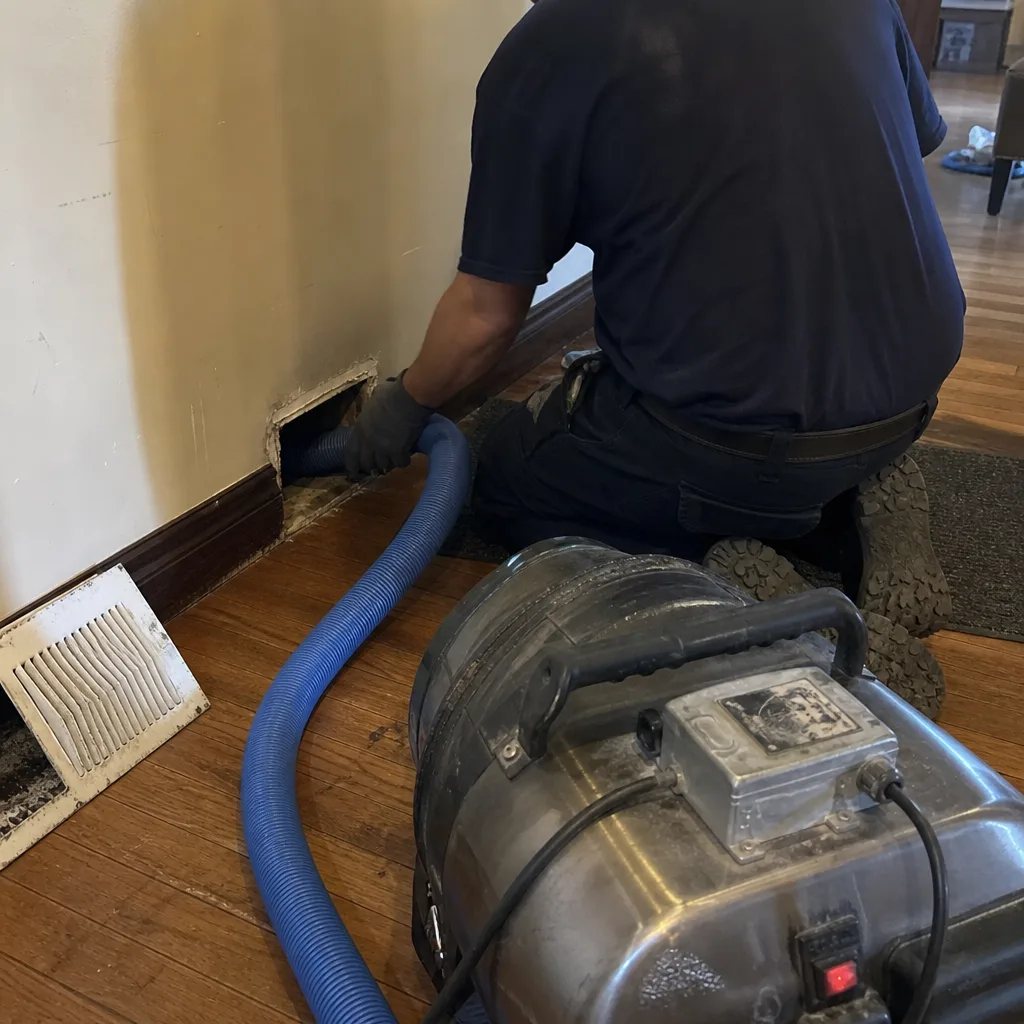 Before
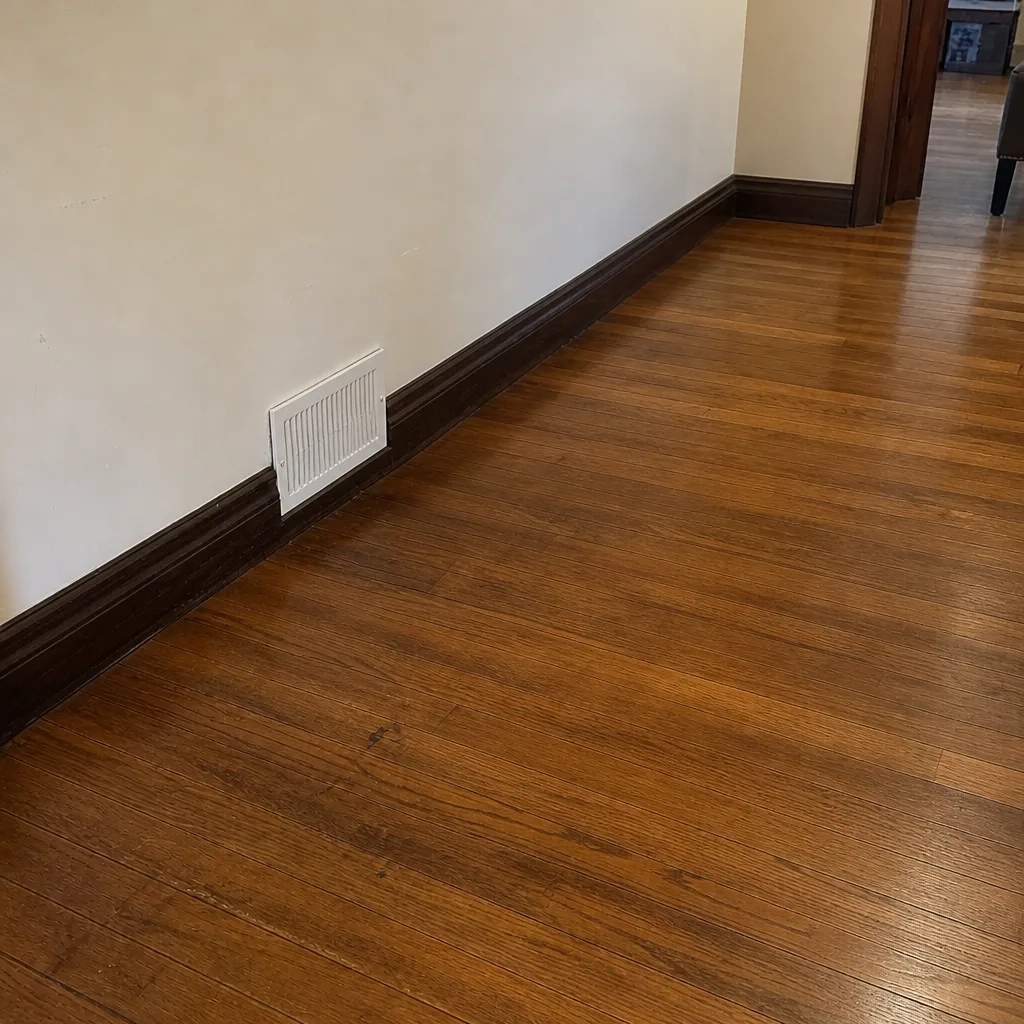 After
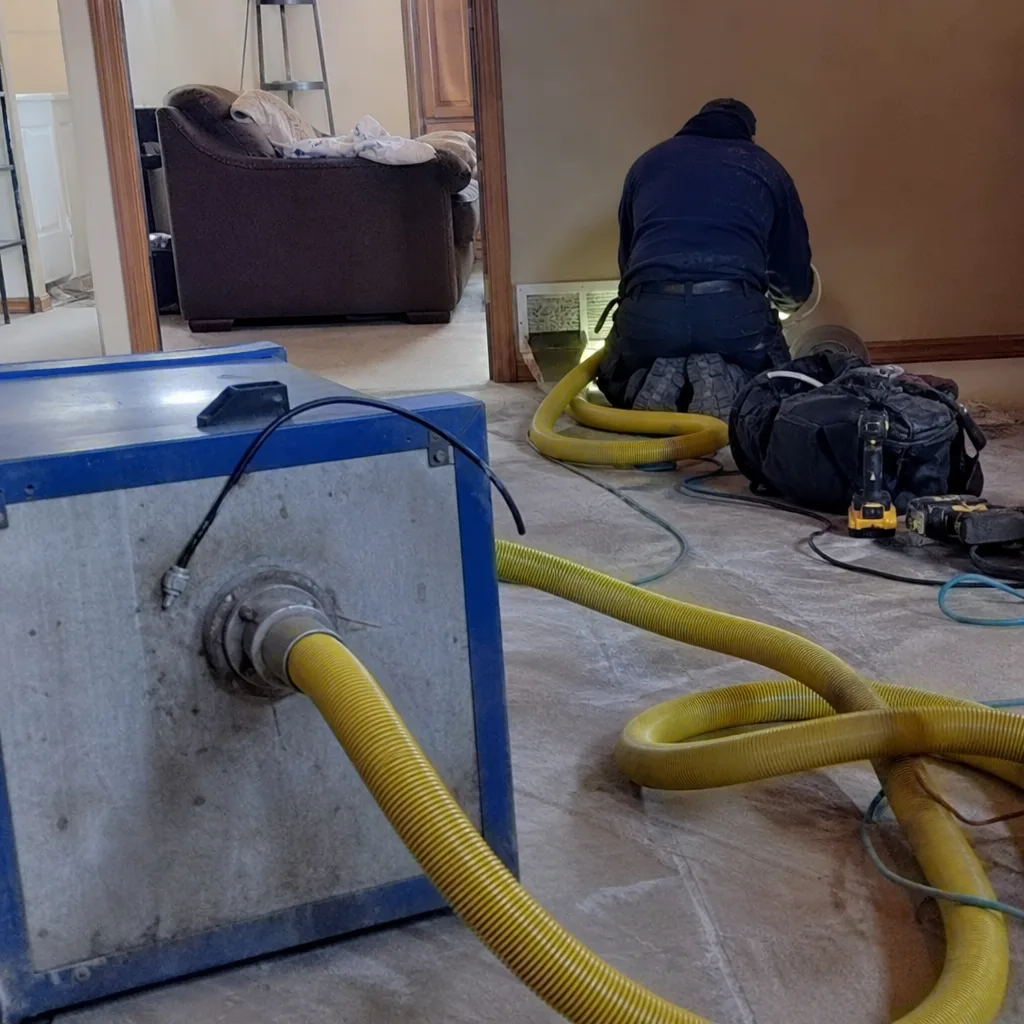 Before
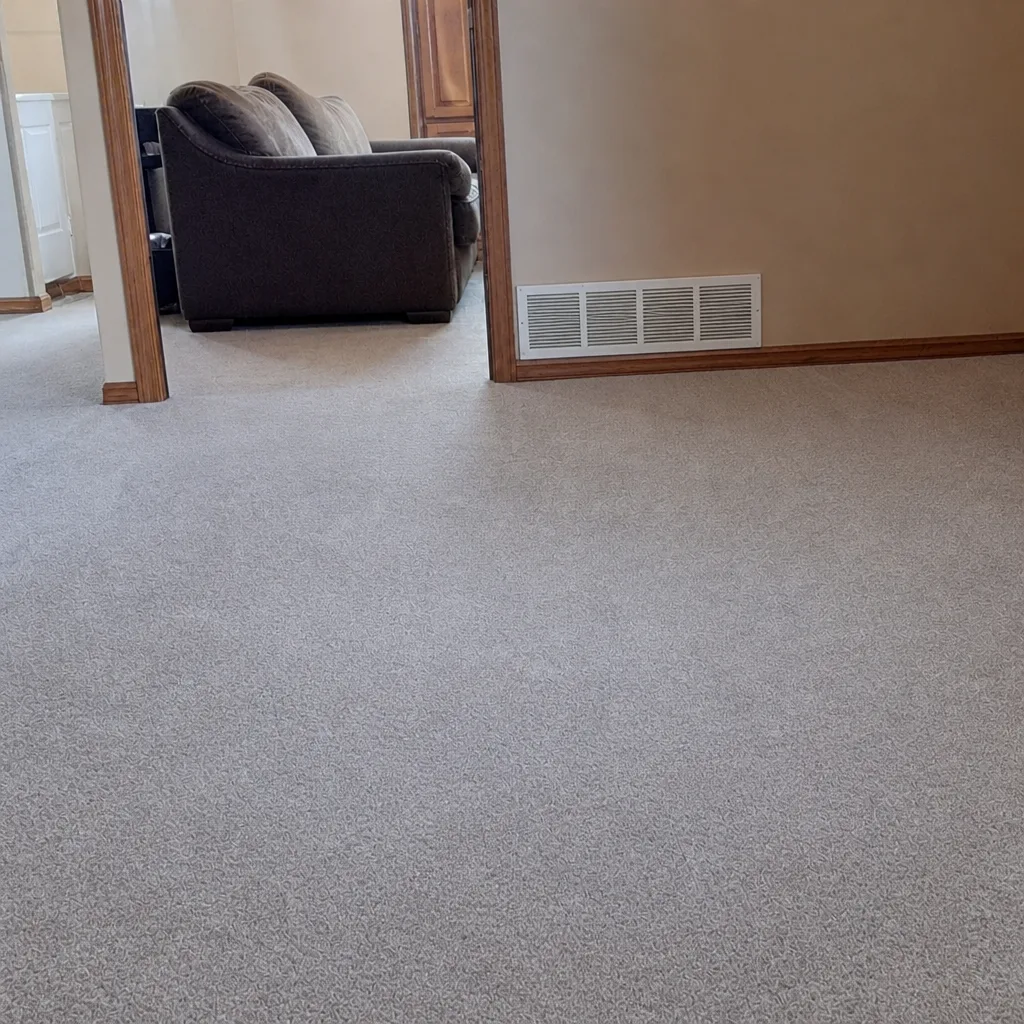 After
 Before
 After
When to Call a Professional
Some duct issues are visible from the register and some aren’t. Call a professional if you notice any of these: allergic symptoms that flare during the heating season, a persistent musty odor when the system starts, visible dust trails around registers, recently completed remodeling, or unexplained jumps in heating and cooling costs. Also call if the last cleaning was more than five years ago, or if you’ve been through two or more full inversion seasons in the same home without an inspection. Persistent airflow problems (rooms that never get cool, or a system that runs continuously) usually point to blower or coil loading rather than duct debris alone, and a proper diagnostic will sort which. West Valley City Air Duct Cleaning Pros offers free estimates in West Valley City: call (855) 337-1649. We answer 24/7. Fast dispatch from 7am to 7pm, Sunday through Friday.
Frequently Asked Questions
Most whole-home cleanings in West Valley City land between $400 and $900, with the exact figure depending on system size, number of runs, debris load, and whether duct repair or sealing is needed. That’s for a full scope that includes returns, coil, blower, and drain pan, not just the supply branches. A written estimate after a walkthrough sets the final number. Call (855) 337-1649 for an exact quote; estimates are free.
They’re cheaper because they’re doing less. A $99 or $149 quote typically covers a single vacuum pass over the supply registers, without the air handler, coil, blower, or return runs, and without professional-grade equipment. It looks like duct cleaning, and it leaves the parts of the system that actually affect air quality untouched. Whole-system pricing is higher because the work is real. Call (855) 337-1649 for a free estimate on what a full-scope cleaning costs for your home.
Before-and-after photos of your own ducts, taken during the visit, are the simplest check, and they should include the air handler, coil, and blower wheel, not just the supply runs. Static pressure testing before and after gives you a numeric confirmation of airflow improvement. Ask for both. A crew that welcomes the inspection is doing the work. Call (855) 337-1649 to schedule.
For most occupied homes here, every 2 to 5 years, with the shorter end applying more often because Salt Lake Valley inversion events load ducts faster than typical dust accumulation. Homes with pets, smokers, allergy sufferers, or recent remodeling should lean toward the shorter cycle. If you can’t remember the last cleaning, start with an inspection. Call (855) 337-1649 and we’ll walk through your situation.
Yes, but likely on a longer cycle than an older tract home. Newer construction tends to have better-sealed ducts, which reduces the particulate infiltration problem, but construction debris and dust from the build itself often remain in the system. The inspection tells you what’s actually there. Call (855) 337-1649 for a free estimate.
It helps meaningfully, because a clean system with sealed ductwork removes the reservoir of fine particulate that would otherwise recirculate through the house. It’s not a substitute for whole-home filtration or for keeping windows closed during an inversion, but it’s a base layer that makes the rest of the system work as designed. Call (855) 337-1649 to schedule an inspection before the next heating season.
The Bottom Line
West Valley City duct cleaning is shaped by two things most national guides miss: the Salt Lake Valley inversion cycle that drives concentrated particulate into residential systems, and the tract-home duct layouts that create dead-leg zones where debris settles. A real cleaning addresses the full air pathway (supply, return, coil, blower, drain pan) using professional-grade equipment like Rotobrush and Nikro, and finishes by sealing what’s leaking so the cleaned system stays clean. Verify the work with before-and-after photos of your own ducts, not a verbal assurance. If your home is overdue, if you’ve been through a few inversion winters, or if the system just doesn’t feel right, that’s the signal to inspect.
Ready to schedule? Call (855) 337-1649 for a free estimate. We answer 24/7. Fast dispatch from 7am to 7pm, Sunday through Friday. Estimates are free, the price is one flat price per system agreed before work begins, and you’ll get before-and-after photos of your own ducts.
Written by the team at West Valley City Air Duct Cleaning Pros.