
Top Signs You Need Air Duct Cleaning Service – Don’t Ignore These
Dust sitting on your supply registers is normal surface accumulation, not a warning sign. The evidence that your ducts are genuinely contaminated is subtler than that, and it follows patterns most homeowners have never been taught to look for. If you’d rather not play detective through a heating season, call (855) 337-1649. We answer 24/7, with fast dispatch from 7am to 7pm.
What follows ties each symptom to the mechanical reason it points at the duct system, so you can sort a real problem from ordinary housekeeping before you spend anything.
Why “Dusty Registers” Is the Wrong Sign to Watch
Register dust comes from the room, not the duct. Grilles sit in open air, collect what settles on every shelf and picture frame, and get wiped less often. That thin gray film means nothing. The sign that matters is fine particulate landing on surfaces nowhere near a vent: the top of a door casing, a headboard, the inside of a closet. That pattern means the system is pushing particles into the air instead of pulling them out. In West Valley City, where the valley traps dust and spring wind moves a lot of it, a home can carry a heavy particulate load without any visible clue at the register.
Here’s the distinction in plain terms:
- Surface dust on a grille: normal. Clean it and move on.
- Fine, even film on surfaces away from vents: the duct system is acting like an aerosol generator, releasing debris it should be holding.
- Dark streaks around supply registers or filter slots: air is escaping at seams where it shouldn’t, which pulls unfiltered air through gaps.
- Debris falling when the blower starts: material has settled inside the duct run and gets lifted on every cycle.
A register grille can be wiped in thirty seconds. Duct interiors can’t, and that’s the gap between the two patterns.
The Static Pressure Self-Check: When Rooms Stop Keeping Up
If a bedroom that used to heat and cool fine now lags behind the rest of the house, restricted airflow is a diagnosable cause, not just an aging HVAC system. Debris lining the duct walls narrows the pathway the same way sediment narrows a pipe. The blower pushes against that resistance, static pressure climbs, and the far rooms lose airflow first.
You can spot-check this without instruments. Run the system and hold your hand at the supply register in a room that’s struggling, then at one that works. A noticeably weaker stream is a signal worth chasing. A licensed HVAC technician can measure static pressure with a manometer and compare it to the equipment’s rated range, which turns a hunch into a number. We service and are compatible with Honeywell and Aprilaire air quality systems, and both manufacturers build controls that depend on clean, unobstructed airflow to do their job properly.
One caveat: a dirty filter, a closed damper, or a failing blower can mimic the same symptoms. Check the filter first. If a fresh filter doesn’t restore the airflow, the duct interior is the next place to look. In West Valley City homes with long runs to upstairs bedrooms, we see this airflow complaint come up often.
Reading the Odor: Mold, Dust, or Rodent
Your nose can usually tell you which kind of contamination you’re dealing with, and each one calls for a different response.
- Musty, damp-earth smell: moisture is present somewhere in the path, and microbial growth may be following it. Cleaning alone won’t solve this if the moisture source stays. Find the leak or condensation problem first.
- Stale, dusty, “old basement” smell: accumulated particulate and debris. This responds well to mechanical cleaning with professional-grade equipment.
- Sharp, ammonia-tinged, or distinctly animal odor: rodent activity. Droppings and urine contaminate duct interiors and insulation, and this is a remediation-level job, not a routine cleaning.
That last category is where equipment choice matters most. We use Abatement Technologies air filtration in the service process, which is the same category of filtration used on mold and hazardous-material containment work, along with Guardsman-grade protection products in the sanitizing stage. A shop-vac and a shop rag won’t touch that kind of contamination. A musty smell in a West Valley City home after a wet winter is worth investigating early, before it spreads through the whole system.
Post-Renovation: The Trigger Most People Skip
If you’ve had drywall work, tile cutting, or a kitchen remodel done, duct cleaning stops being optional. Construction dust isn’t household dust. It carries silica, fiberglass particles, and drywall compounds, and it’s fine enough to slip past a standard media filter and coat duct interiors. Changing the furnace filter more often doesn’t fix it, because the filter sits downstream of the return duct where much of that debris first accumulates.
Signs to watch for after a remodel:
- Filter loading up in weeks instead of months.
- A persistent chalky smell the first time the heat runs each season.
- Visible fine white or gray powder on return grilles.
- New airflow complaints in rooms near the work area.
Our technicians have up to 9 years of experience, and this pattern is one of the most consistent we encounter. Whether it’s a small West Valley City bathroom remodel or a full basement finish, plan on duct cleaning and a filter change once the drywall dust settles.
The Allergy Pattern That Points Squarely at Ducts
Seasonal allergies track pollen counts. Duct-related symptoms track the HVAC cycle. That’s the tell. If your congestion, sneezing, or eye irritation gets worse when the heat or AC kicks on, and eases when the system is off, you’re reacting to something the system is moving, not something in the outdoor air. The pattern holds steady across seasons and doesn’t improve when the pollen forecast drops.
Watch for these specifics:
- Symptoms that flare within minutes of the blower starting and settle when it stops.
- Morning congestion that eases after you leave the house and returns when you get home.
- Symptoms concentrated in one or two rooms, often the ones at the end of the duct run.
- A pattern that doesn’t respond to outdoor pollen levels or weather changes.
Airborne particles resuspended on every cycle are the likely culprit, and that points directly at the duct system. West Valley City sits in a valley where airborne dust can hang for days, which makes a clean interior pathway more valuable here than in more open country. Underlying allergies need a doctor, not a duct cleaning. But when the timing tracks your furnace, the system is worth a look.
When to Call a Pro
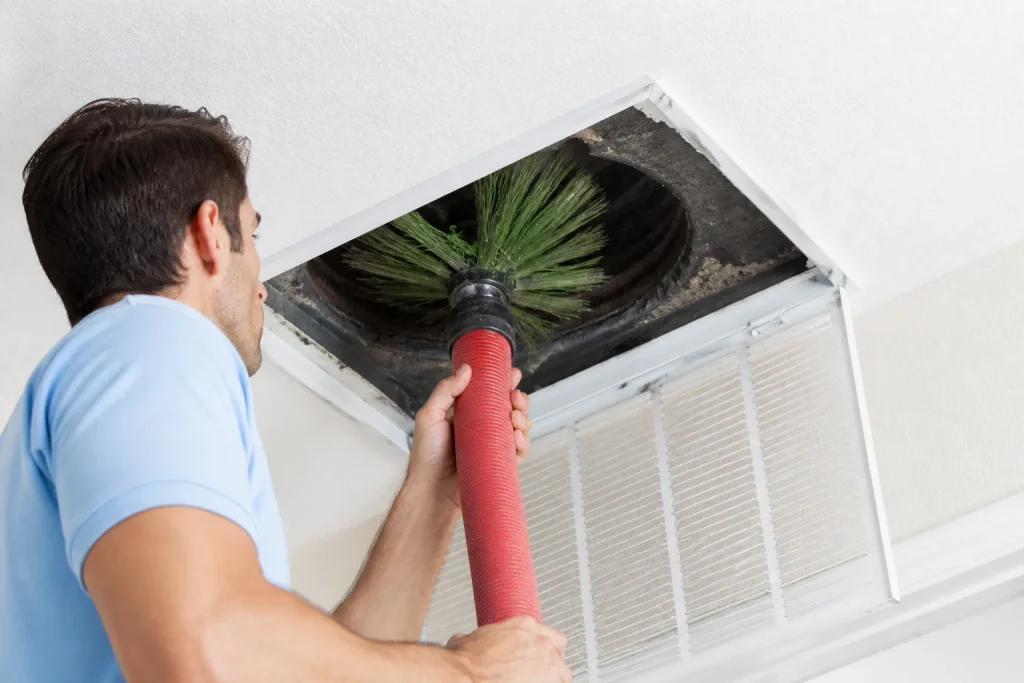
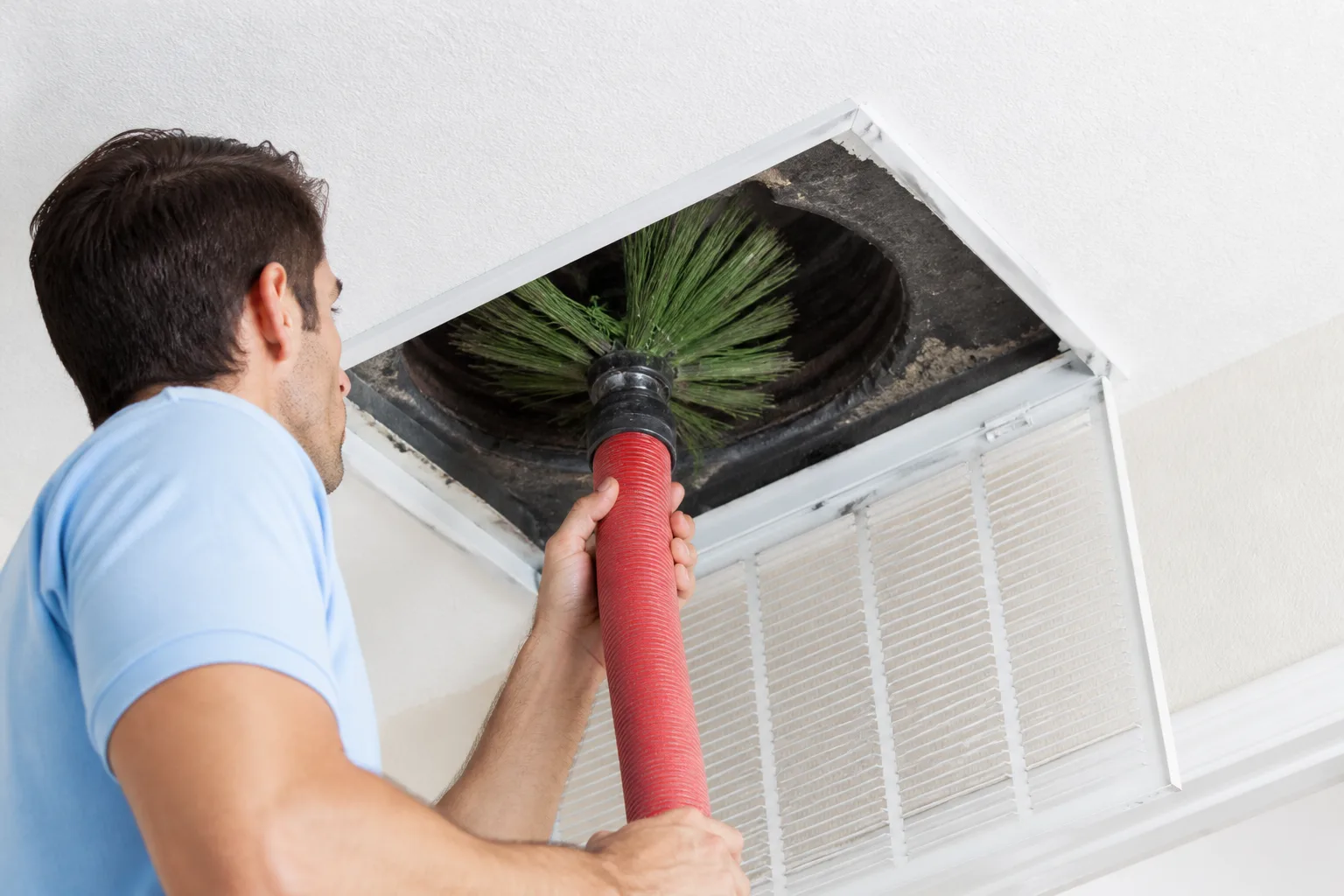
Some checks are safe to do yourself: change the filter, wipe the grilles, feel the airflow at a few registers. Others aren’t. If you find rodent evidence, suspect mold, or see debris in the duct interior through a supply boot, stop and call. The inside of a duct system isn’t a place for a rented vacuum and a flashlight. Professional-grade systems from Rotobrush and Nikro physically agitate and extract debris, which hand tools can’t replicate. Reaching into a duct by hand risks cuts from sheet metal edges and disturbances that spread contamination further.
Related services in West Valley City:
Lint buildup in a dryer vent is its own hazard, separate from your supply ducts, and it’s worth checking if you’ve never had it done. Our full air pathway service covers ducts, dryer vents, HVAC equipment, sealing, and sanitizing, so you don’t need a second company to finish the job. We also repair what we find. Duct Repair & Sealing keeps a cleaned system clean longer, which matters if the ductwork already has gaps or disconnected runs. Learn more at West Valley City Air Duct Cleaning Pros or call for a free estimate.
The Bottom Line
The signs that actually point to duct contamination share a pattern: particulate landing away from vents, airflow that drops in specific rooms, an odor that fits one of the categories above, a recent renovation, or symptoms that track your system’s run cycles. None of those are ordinary. All of them have a mechanical explanation worth investigating.
If you’re in West Valley City and need help, West Valley City Air Duct Cleaning Pros offers free estimates. Call (855) 337-1649. We answer 24/7, with fast dispatch from 7am to 7pm, Sunday through Friday.
Frequently Asked Questions
Look for signs that the system itself is contaminated: fine particulate settling on surfaces away from registers, airflow that drops in rooms that used to keep up, persistent odors, or a recent renovation that spread construction dust. Surface dust on grilles alone isn’t a sign. If you’re seeing any of the patterns above in West Valley City, call (855) 337-1649 for an assessment.
Yes, and the tell is timing. Symptoms that flare when the heat or AC kicks on and ease when the system is off point to airborne particles being resuspended from inside the duct system. Seasonal allergies track pollen counts instead. If the pattern is tied to your HVAC cycle, duct cleaning is worth considering. Call (855) 337-1649 to book a free estimate.
In most cases, yes. Drywall dust carries silica, fiberglass, and gypsum particles that are fine enough to pass a standard filter and settle inside duct interiors. Changing the filter more often doesn’t remove what’s already inside. Plan on duct cleaning once the dust settles. Free estimates are available in West Valley City at (855) 337-1649.
A musty smell points to moisture and possible mold growth, which needs the underlying leak fixed before cleaning. A dusty, stale smell points to accumulated particulate that responds well to mechanical cleaning. A sharp or animal odor suggests rodent contamination requiring remediation-level work. When in doubt, call (855) 337-1649 for an honest assessment.
Written by the team at West Valley City Air Duct Cleaning Pros.
Need Air Duct Cleaning Help?
Call West Valley City Air Duct Cleaning Pros - the local pro we connect you with is licensed and insured, with free written estimates in West Valley City.
(855) 337-1649