
Last updated November 24, 2026
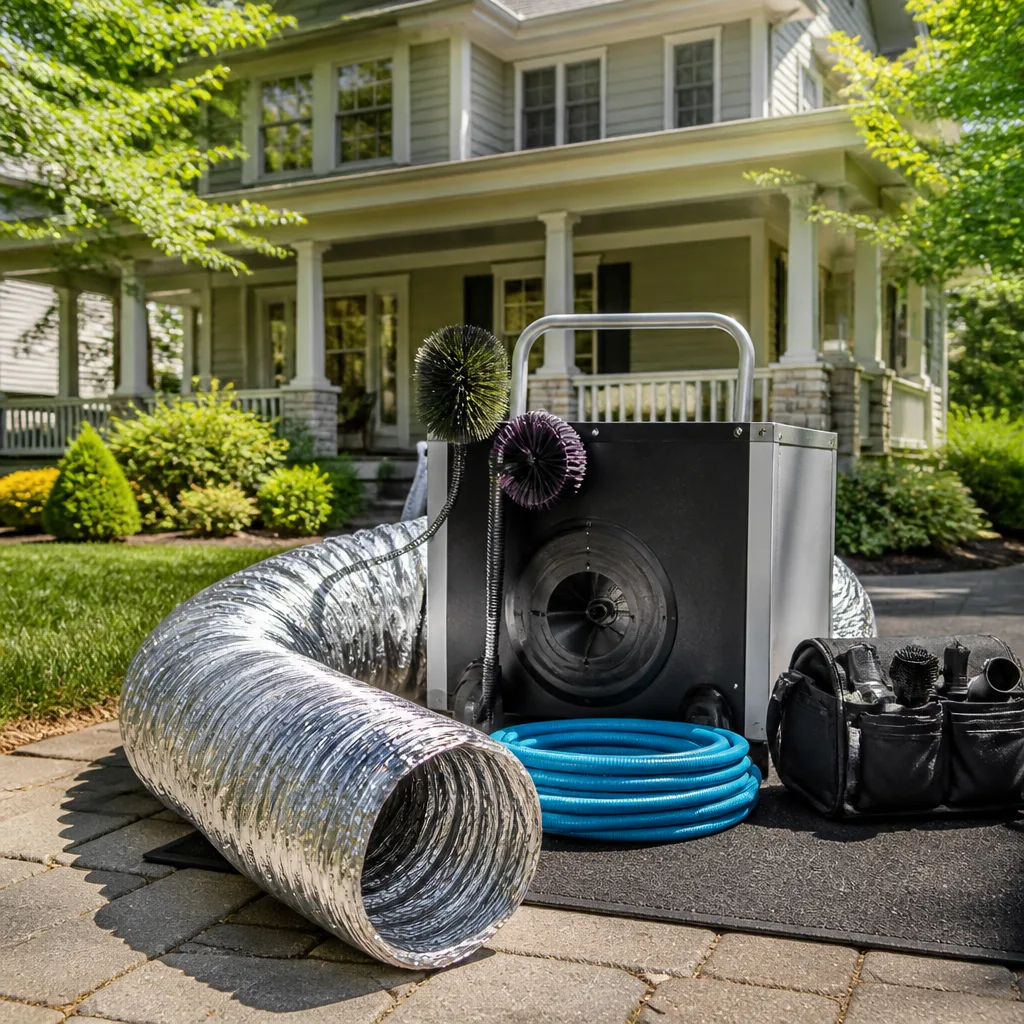 Whole-home duct cleaning
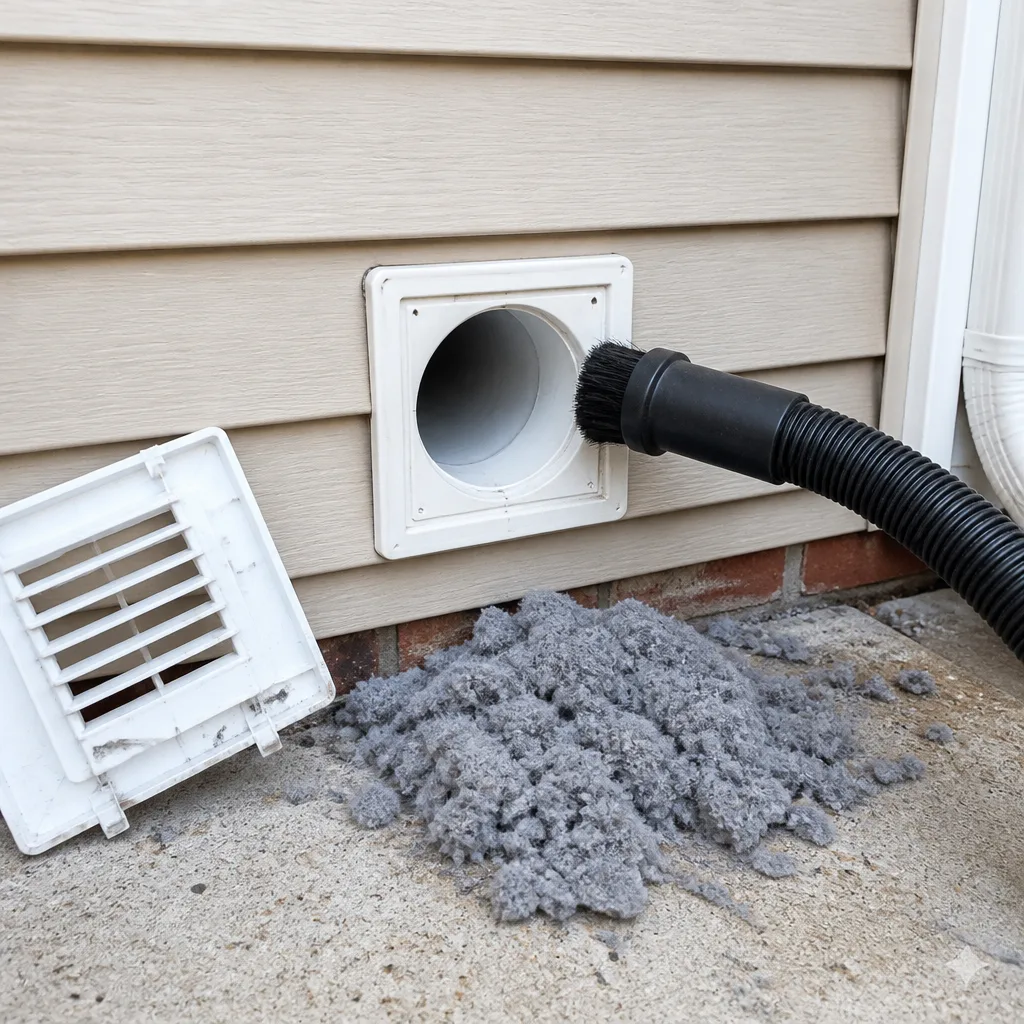 Dryer vent cleaning
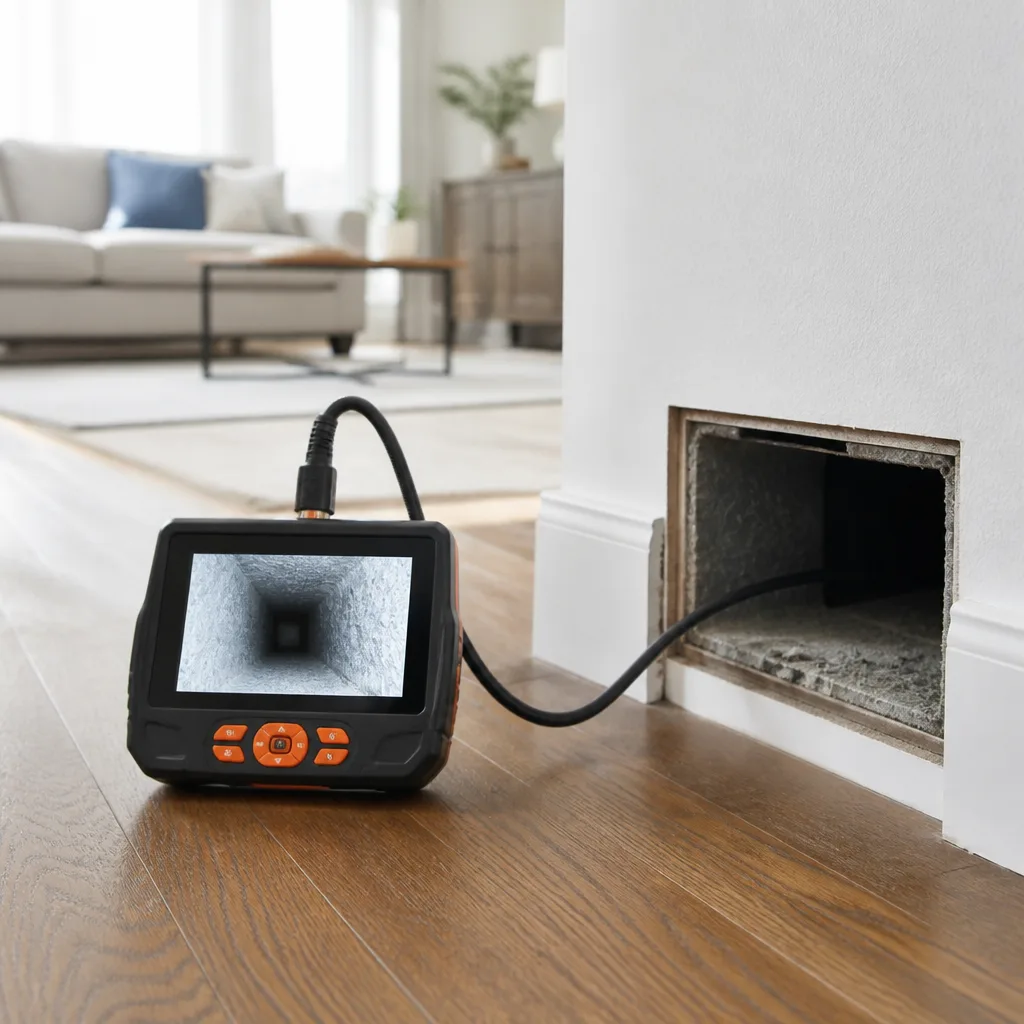 Camera inspection
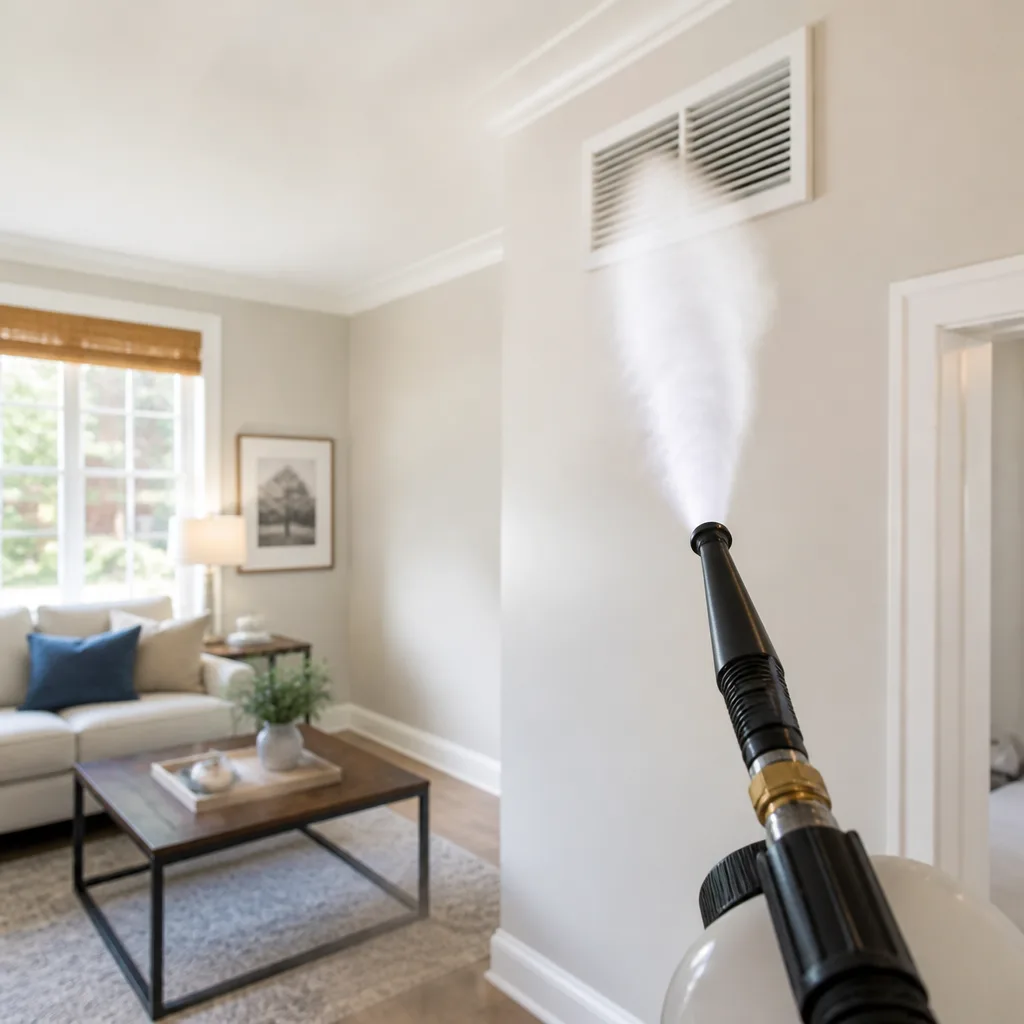 Sanitizing & deodorizing
Whole-system duct and dryer vent check with before-and-after photos - you see exactly what came out of your vents
That "$99 whole-house special" is a bait ad - the real number appears once they are in your hallway, or the "clean" is a shop-vac at the register. We photograph the inside of your ducts before and after instead.
Air Duct Cleaning Cost Breakdown: The West Valley City Homeowner’s Reference for 2026
Two quotes for the same “whole-home duct cleaning” in West Valley City can legitimately differ by $400, and both can be accurately priced. The reason isn’t greed or a hidden fee. One quote covers four components, the other covers fourteen, and no contractor is required to explain that gap unless you ask the right questions. This guide breaks duct cleaning down into its actual parts, so you can read a quote and see what’s inside it. You’ll learn what each component costs, how West Valley City’s housing stock changes the math, and how to make two bids comparable before you choose on price.
Quick Answer
Air duct cleaning in West Valley City typically runs $350 to $700 for a standard home, with most single-family houses landing near $450 to $550. The spread comes from how many components the contractor actually cleans: supply branches, return branches, main trunk lines, and the air handler are separate line items. A quote near $199 usually covers far fewer of them than a quote near $600. Your written estimate sets the final price, and the number is only meaningful once you know the scope behind it.
Styles & brands we work with
- Whole-home duct cleaning
- Dryer vent cleaning
- Camera inspection
- Sanitizing & deodorizing
Table of Contents
- What’s actually inside a duct cleaning quote?
- The five components, priced one by one
- How home size and duct count change the cost
- Sheet metal vs. flex duct: why material matters
- Add-on services: what they cost and what’s an upsell
- Truck-mounted vs. portable: what the CFM difference means
- How to build a scope-of-work document that makes quotes comparable
- Frequently asked questions
What’s Actually Inside a Duct Cleaning Quote?
A duct cleaning quote is a scope, not a single service. When a contractor writes “whole-home duct cleaning” on an estimate, that phrase can hide anywhere from four to fourteen distinct tasks. That’s the core of the comparison problem in West Valley City, and it’s why the headline number tells you almost nothing on its own.
Here’s the full air pathway, front to back:
- Supply branches – the smaller runs that feed air into individual rooms. These are the most obvious part of the job.
- Return branches – the runs that pull air back toward the system. Often fewer in number but larger in diameter.
- Main trunk lines – the big rectangular or round ducts that connect branches to the air handler. Long, accessible and easy to skip.
- The air handler – blower wheel, evaporator coil, and drain pan. This is where the system breathes, and where dust and biological growth concentrate.
- Registers, grilles and boots – the visible covers and the short transitions behind them.
A budget quote often cleans the supply branches and the visible grilles and stops. A thorough one runs the entire pathway, including the air handler, and then documents what came out. The difference in the first three weeks after cleaning is real. Dust you can see on a vent doesn’t tell you much, but the return path and coil tell you everything about how the system is actually breathing.
When you ask for a bid, ask the contractor which of those five components is included, in writing. If they can’t answer on the spot, that’s information too.
The Five Components, Priced One by One
Breaking a job into its parts is the only reliable way to compare quotes in the West Valley City market. Whole-system pricing here typically runs $350 to $700, and each component pulls its weight inside that range. The figures below are typical estimates, not fixed prices. Your written estimate is what sets the real number.
| Component | Typical share of the job | What it covers |
|---|---|---|
| Supply branches | ~20-25% | Mechanical agitation and extraction of each run feeding a room |
| Return branches | ~10-15% | Agitation and extraction of each return run to the system |
| Main trunk lines | ~20% | Large-diameter run from branches to air handler, brush and vacuum work |
| Air handler (blower, coil, drain pan) | ~25-30% | Blower wheel cleaning, coil cleaning, drain pan flush |
| Registers and boots | ~10% | Removal, cleaning and reinstall of grilles plus boot interiors |
Notice that the air handler is usually the largest single slice. That’s not an accident. The blower wheel builds a uniform dust mat over time, and the evaporator coil traps moisture that dust loves. Cleaning the ducts while leaving a fouled coil is like changing a filter without looking at the housing. The system kicks the same material right back into the clean ducts on the first cycle.
If a quote is way under the local range, ask which component they’re leaving out. Usually it’s the air handler, sometimes the trunk lines, and occasionally the returns altogether. You can still choose the cheaper bid, but you should know what you’re buying. That single question rewrites more duct-cleaning conversations than any other.
How Home Size and Duct Count Change the Cost in West Valley City
Home size and duct count drive price more than almost any other variable. A 1,200-square-foot West Valley City rambler and a 3,200-square-foot two-story on the same block don’t share a price, because they don’t share a duct system. The rule of thumb is simple: cost follows the number of components, not the square footage printed on the listing.
What specifically moves the number:
- Number of supply and return branches. Most homes here have 8 to 20 supply registers and 2 to 6 returns. Doubling the returns doubles the return-side work.
- Number of stories. Two-story homes often run a dedicated trunk up the central wall, adding length and complexity.
- Basement or crawl space runs. Plenty of West Valley City houses have ducts below the main floor, which changes the access route and often the equipment choice.
- Attic runs. Summer attic temperatures along the Wasatch Front run very high, and ducts baking at those temperatures need careful agitation so dust is captured, not redistributed.
- Air handler location. A closet or garage-mounted air handler is easier to service than one wedged into a tight mechanical room.
Duct count is the number you want from the contractor before you compare bids. Ask them to count the supply registers and returns and write both totals on the estimate. Two quotes that say “up to 15 vents” aren’t the same as two that say “12 supplies, 3 returns.” The second pair is comparable. The first pair is a coin flip.
West Valley City’s housing stock leans toward single-family homes on modest lots, many built between the 1970s and the 2000s. That era is exactly when flex duct and mixed trunk layouts became common. It’s also when older homes in neighborhoods off Redwood Road and 5600 West saw duct additions and remodels that added branches without a clean layout. Counting is not optional here; it’s the whole game.
Sheet Metal vs. Flex Duct: Why Material Matters
Duct material changes both the technique and the price. Sheet metal trunk lines and flex branches are cleaned differently, and mixing them up is one of the quieter reasons a cheap quote produces an unsatisfying result.
Sheet metal ducts hold up to mechanical brushing and agitation. They’re usually the trunk lines, and they take brush work well because the surface is rigid. Cleaning them involves running a mechanical brush or air whip through the run, then pulling the dislodged material out with strong negative pressure. The extraction side matters as much as the agitation side here.
Flex duct is the corrugated plastic-over-wire run common in West Valley City branch lines. It can’t take the aggressive brushing that rigid metal can, so more of the work relies on controlled agitation and reliable extraction. Flex also traps dust in the ribs, which is why a proper job needs the right tool and the right vacuum, not just a hose waved through a vent.
Material affects price in three ways:
- Tool changeover. A system that handles both metal and flex without damaging either is more expensive to run, and that cost lives inside the price.
- Time per run. Flex takes longer because the ribs slow extraction. Two homes with the same duct count can price differently if one is mostly flex and the other mostly metal.
- Repair risk. Flex that’s already damaged may need repair alongside cleaning, which is a separate scope item.
If a contractor quotes you without looking at the ducts first, they can’t know your material split, and their price is a guess. Our technicians have up to 9 years of experience, and we’ve watched how differently this plays out on flex-heavy remodels compared with older sheet metal trunks. That’s why we ask about duct material before we write a number.
For a deeper walkthrough of what a full cleaning visit actually involves, see our air duct cleaning service page. It explains the equipment and process in plain terms, and it’s a useful read before you compare bids.
Add-On Services: What They Cost and What’s an Upsell
Add-ons are the murkiest part of any duct cleaning quote, because they’re the easiest to bundle in without explanation. The line between a legitimate add-on and an upsell comes down to one question: does it address something the cleaning revealed?
Add-ons that are worth considering, priced in typical West Valley City ranges:
- Sanitizing application – usually $75 to $150 on top of a full cleaning. Best justified when the cleaning reveals biological growth or odor, and it should follow cleaning, not replace it. Guardsman-grade protection products are what we use at the finishing stage, and a contractor should tell you exactly which product goes on and why.
- Duct repair and sealing – typically $150 to $400 depending on how many joints or runs need attention. This is the add-on most often skipped and most often needed. Leaky joints pull attic and crawl space air into your living space, and sealing them keeps a cleaned system clean longer.
- Dryer vent cleaning – typically $100 to $200 as a standalone visit. Worth doing if you’ve never had it done, and it’s a genuine safety item, not a garnish. You can read more about it on our dryer vent cleaning page.
- UV-C installation – typically $250 to $500 installed, depending on the unit and location. A real product with real applications, but not a fix for a dirty system. Install it only after the ducts are clean.
- Whole-home air quality system service – if you already own a Honeywell or Aprilaire system, having it serviced alongside the cleaning is often sensible. We’re authorized to work on both brands, so the visit covers the full air pathway.
Here’s the test for any add-on. Ask: “What did you find that requires this?” If the answer is “your ducts are dirty and this fixes it,” the add-on is solving a cleaning problem with a product. If the answer is “your flex run at this register is torn and blowing attic air into the bedroom,” the add-on is addressing something real.
One more caution. A sanitizer applied without first removing the debris does very little. Cleaning is the work; sanitizing is the finish. Any contractor who fronts the sanitizer and back-burners the cleaning has the order wrong.
Truck-Mounted vs. Portable: What the CFM Difference Means
Truck-mounted vacuum systems cost more per job than portable units, and it’s not because they’re fancier. It’s because the airflow difference is what actually removes debris from a duct run. The industry measures that airflow in CFM, cubic feet per minute. A strong truck-mounted system moves several thousand CFM. Portable units move a fraction of that.
Why CFM matters, in practice:
- Extraction vs. agitation. Cleaning needs two things working together: a tool that breaks debris loose, and a vacuum strong enough to pull it out of the run. Agitation without extraction just moves dust around inside the duct.
- Trunk lines and long runs. The longer the duct, the more airflow you need to keep velocity at the far end. A portable unit loses effectiveness quickly along a 25-foot trunk.
- Negative pressure and containment. A strong vacuum creates negative pressure in the system, which keeps debris from escaping into the room while the work is happening. Higher filtration equipment like Abatement Technologies units extend that containment to the air the vacuum exhausts.
The higher cost of a truck-mounted job is directly tied to the outcome you’re paying for. When we say professional-grade equipment, not shop-vac shortcuts, this is what that phrase means. Rotobrush and Nikro systems live in the same category: mechanical agitation matched to serious extraction. Our HVAC cleaning page explains how that equipment changes the air handler side of the job.
If a contractor shows up with a shop vac and a hose, ask what CFM their system produces. If the answer is vague, the price they gave you was priced for the tool they brought. It’s not the same job.
How to Build a Scope-of-Work Document That Makes Quotes Comparable
This is the single most valuable thing you can do before you pick a contractor. A written scope-of-work document turns duct cleaning from a price comparison into an apples-to-apples comparison, and it forces every bidder to quote the same job.
Here’s a numbered process you can walk through before calling anyone:
- Count your registers. Walk the house and tally the supply and return registers. Write each total down. This is the number that anchors every quote.
- Note duct material. Look at the runs you can see (basement, attic, crawl). Are they rigid metal, flex, or a mix? Write the split down.
- Locate the air handler. Basement, closet, attic, garage. Note how accessible it is and whether the coil and drain pan can be reached.
- List the five components explicitly. Supplies, returns, trunk lines, air handler, registers. Ask each contractor to price each one or confirm inclusion in writing.
- Ask about equipment. Brand and CFM of the extraction unit. Filtration type. Whether agitation and extraction are both in the plan.
- Request before-and-after photos. Any contractor who won’t provide photos of your own ducts hasn’t proven the work happened. This is a fair ask, and a serious contractor expects it.
- Confirm the add-on list separately. Sanitizer, sealing, dryer vent, UV-C. Each gets its own line, its own justification, and its own yes or no. Nothing bundled without approval.
- Compare, then choose. Now the two quotes are finally comparable. Compare on scope first, price second. The cheapest scope rarely produces the cleanest system.
If you want to see how a full-system provider frames these components, take a look at West Valley City Air Duct Cleaning Pros. Our process covers the full air pathway – ducts, dryer vents, HVAC, sealing and sanitizing – so you don’t need to hire a second company to finish what we started. One flat price per system is agreed before work starts, and that price is set by the written estimate, not by a technician on site.
See the difference
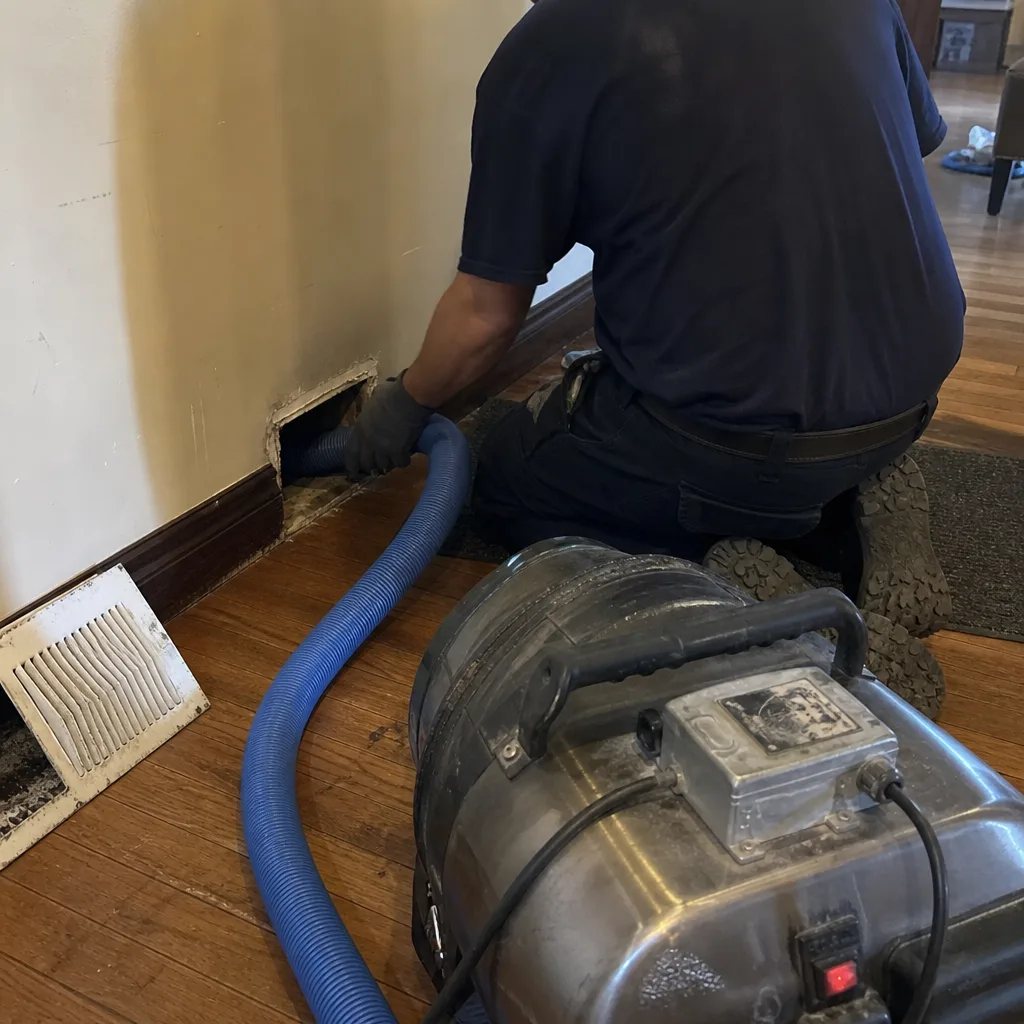 Before
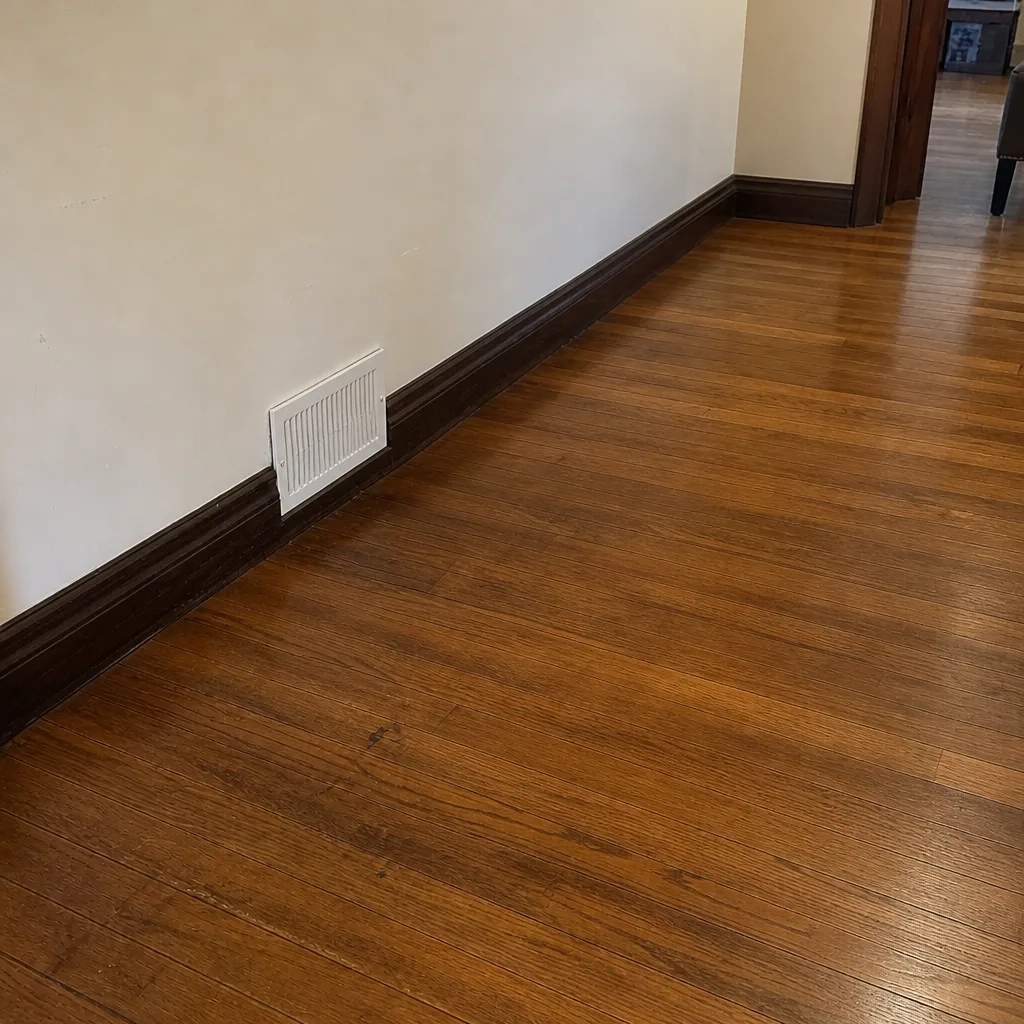 After
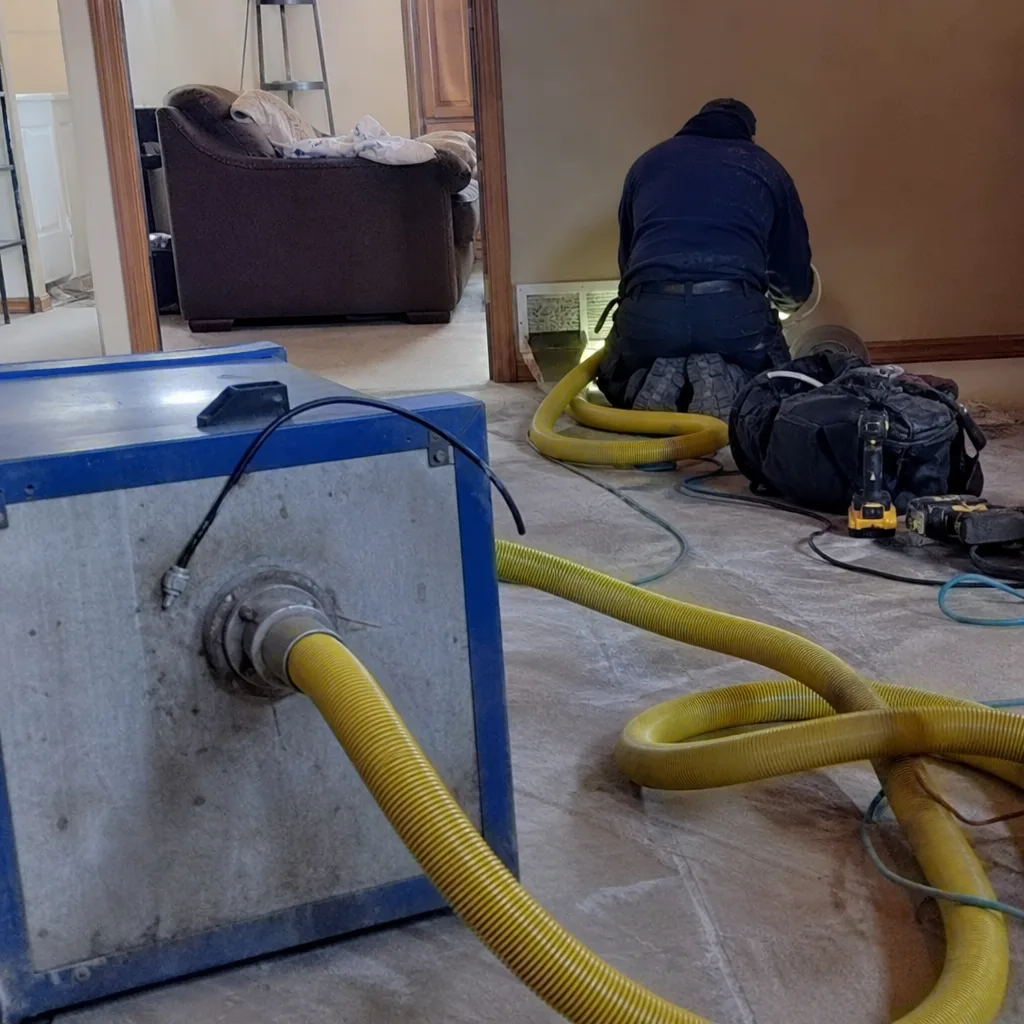 Before
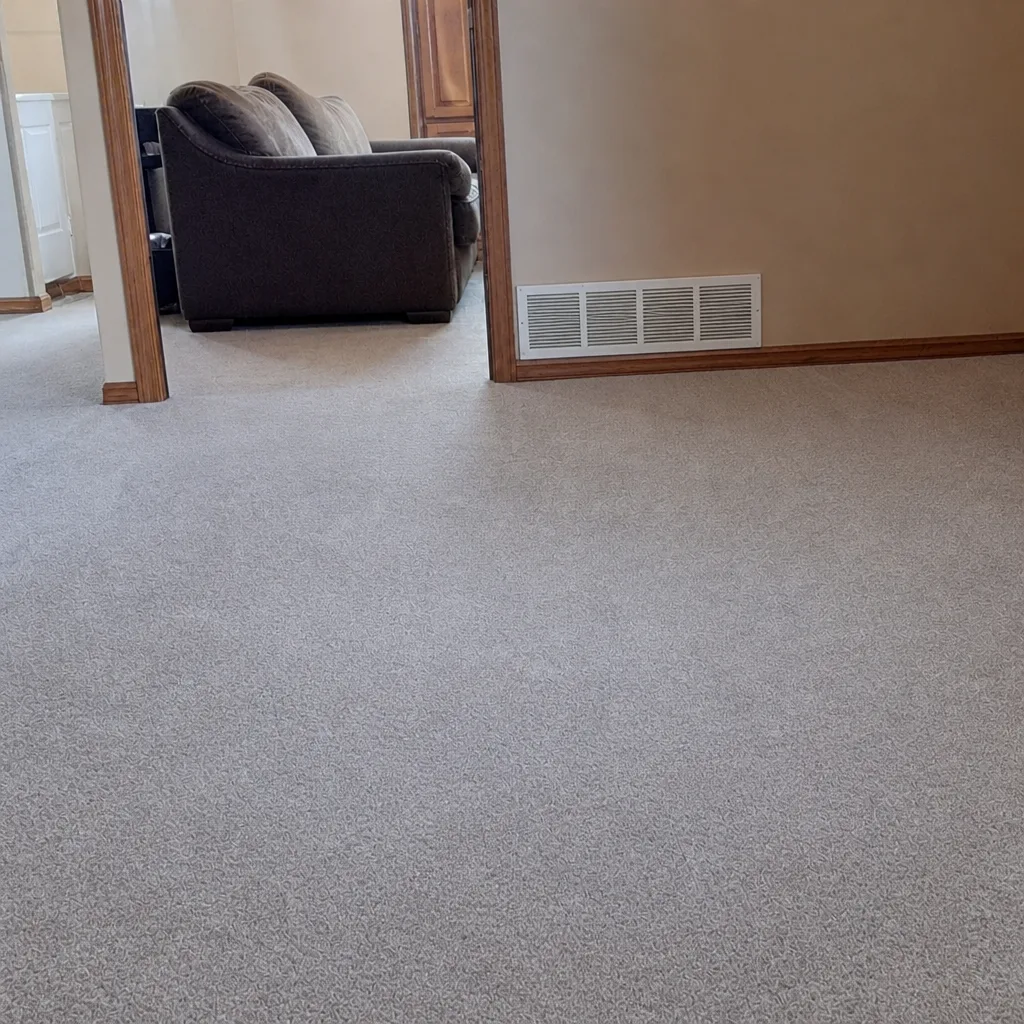 After
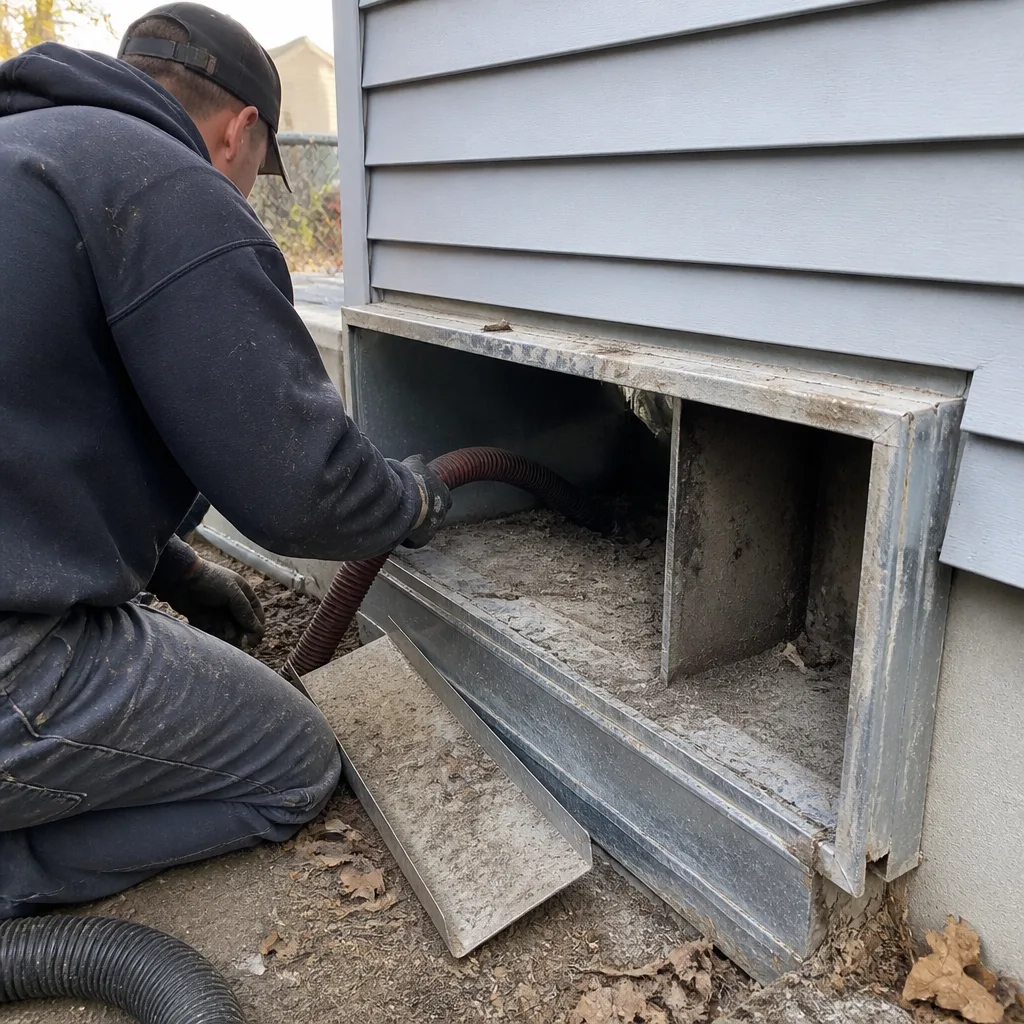 Before
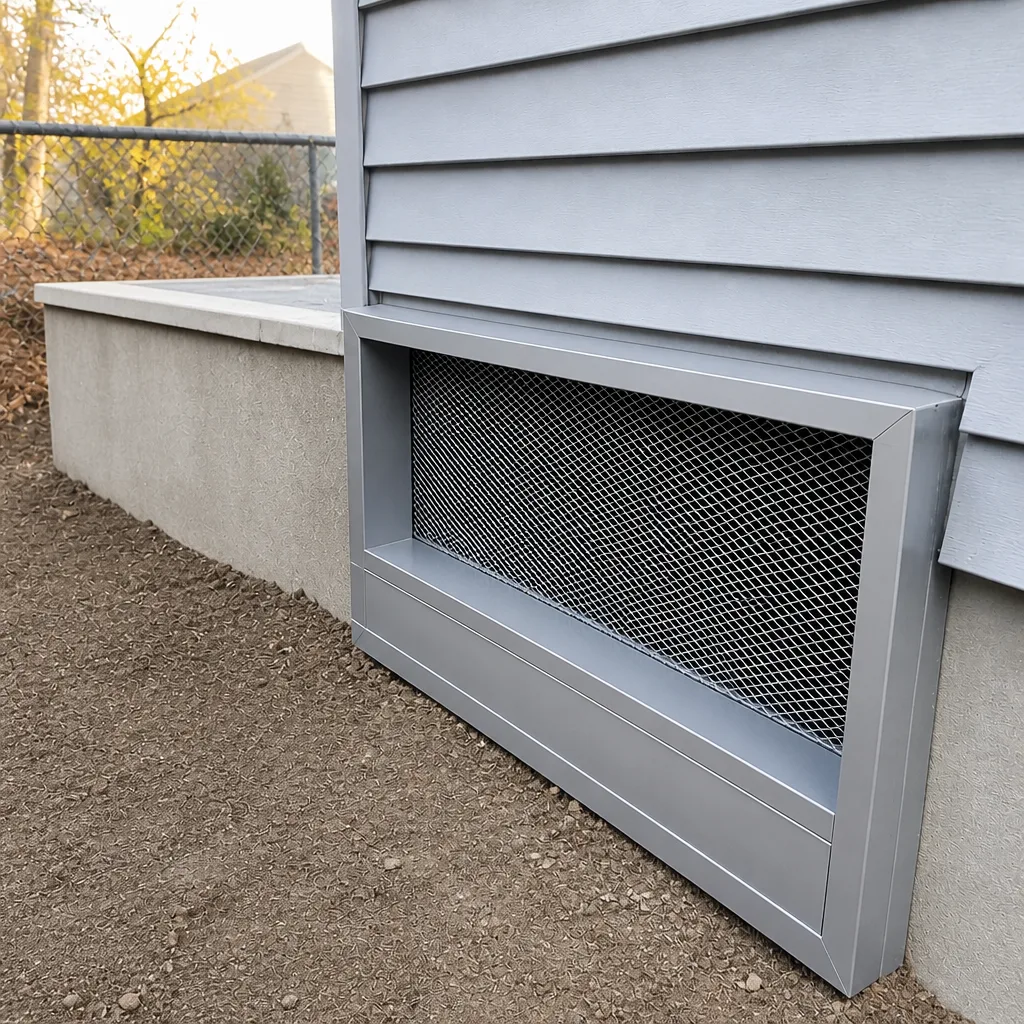 After
Common Mistakes to Avoid
- Choosing on headline price alone. A $199 quote and a $599 quote aren’t the same job, so the $199 doesn’t win on price. It wins on scope, which means it loses on outcome.
- Not asking which components are included. If “whole-home duct cleaning” doesn’t specify supplies, returns, trunks, air handler and registers, it means nothing. Ask in writing.
- Pricing per vent instead of per system. Per-vent pricing rewards counting games and punishes thoroughness. Whole-system pricing is the only honest unit.
- Skipping the air handler. Cleaning ducts but leaving a fouled coil and drain pan is half a job, and it’s a common one in West Valley City homes with older mechanical rooms. The next cycle re-dirties the ducts.
- Assuming all equipment is equal. A shop vac and a truck-mounted Rotobrush system aren’t in the same category. Ask about brand and CFM before accepting a quote.
- Bundling sanitizers or UV-C into an unexamined package. Both are legitimate, but only after the cleaning reveals the case for them, and only when they’re priced as a line item.
- Ignoring duct sealing. Cleaned ducts with leaky joints pull attic air straight back in. If the quote doesn’t mention sealing as an option, ask. In a dry high-desert climate with big summer temperature swings, leaks waste more than just money.
When to Call a Professional
Some duct issues are obvious the moment you look. Others build silently. Here are the scenarios where a professional visit pays for itself, and where waiting costs more than the cleaning:
If you’ve just bought a home in West Valley City and don’t know the last time the ducts were cleaned, a first inspection is worth scheduling. If anyone in the household has unmanaged allergies or asthma, or if you’ve noticed dust settling faster than usual on furniture and registers, the duct system is worth ruling out. Visible debris at the registers, musty smells when the system starts, a dryer that takes two cycles to dry a load, or a recent remodel that dumped construction dust into the returns – each is a trigger. So is any HVAC technician telling you the coil or blower is fouled, because that conversation only ends well with a full-system cleaning.
West Valley City Air Duct Cleaning Pros offers free estimates in West Valley City – call (855) 337-1649. We answer 24/7. Fast dispatch from 7am to 7pm, Sunday through Friday.
Frequently Asked Questions
Typical whole-home duct cleaning in West Valley City runs $350 to $700, with most single-family homes landing between $450 and $550. The range depends on how many components the contractor cleans, how many supply and return branches you have, and whether the air handler is included. The written estimate sets your final price. Call (855) 337-1649 for an exact quote – estimates are free.
Cheaper quotes usually cover fewer components, not the same job at a lower price. A $199 bid often cleans supplies and visible grilles only, skips the air handler, and uses portable equipment instead of a truck-mounted system. Compare quotes on scope first, then price. A written scope-of-work document makes this easy. Call (855) 337-1649 and we’ll walk you through what a full-system quote should include.
Ask for before-and-after photos of your own ducts, and ask which components were cleaned. A contractor who can’t show you the interior of your own system hasn’t proven anything. Insist on documentation: photos of each component, labeled by location. It’s a fair request, and any serious provider expects it. Call (855) 337-1649 to request a photo-documented estimate.
There’s no universal schedule, because it depends on your system, your home, and your household. Most guidance points to every few years for a typical home, sooner after a remodel, a move-in, water intrusion, or a run of respiratory symptoms in the household. Dusty, windy weeks along the Wasatch Front tend to load the system faster than you might expect. Call (855) 337-1649 if you’re unsure whether a cleaning is due.
It does, in a couple of ways. West Valley City sits in a dry, high-desert valley where wind carries fine dust, and summer attic temperatures are extreme, so dust bakes onto duct surfaces between cycles. Winter inversions also push people indoors with the system running more, which means the same dust gets recirculated longer. A sealed, well-maintained duct system handles this better than a leaky one, which is why repair and sealing matter alongside cleaning. Call (855) 337-1649 to book an inspection.
You need both, and the air handler is usually the bigger one. The blower wheel and evaporator coil are where dust concentrates and where moisture encourages growth. Cleaning the ducts while leaving the air handler fouled means the next cycle re-dirties the ducts. Confirm the air handler is a line item on your quote before you sign. Call (855) 337-1649 and we’ll confirm what’s included in your estimate.
The Bottom Line
Duct cleaning price in West Valley City isn’t a single number; it’s a sum of components, and the only honest comparison is a component-by-component one. Ask which of the five (supplies, returns, trunks, air handler, registers) is included, ask about equipment brand and CFM, ask for before-and-after photos, and get everything in a written scope document before you choose. That single habit saves you money, prevents a half-finished job, and tells you whether a quote is real. One flat price per system, agreed before work starts, is the standard to hold. Your ducts don’t care about the discount; they care about whether all of them got cleaned. Call (855) 337-1649 for a free estimate in West Valley City. We answer 24/7. Fast dispatch from 7am to 7pm, Sunday through Friday.
Written by the team at West Valley City Air Duct Cleaning Pros.