
Last updated November 24, 2026
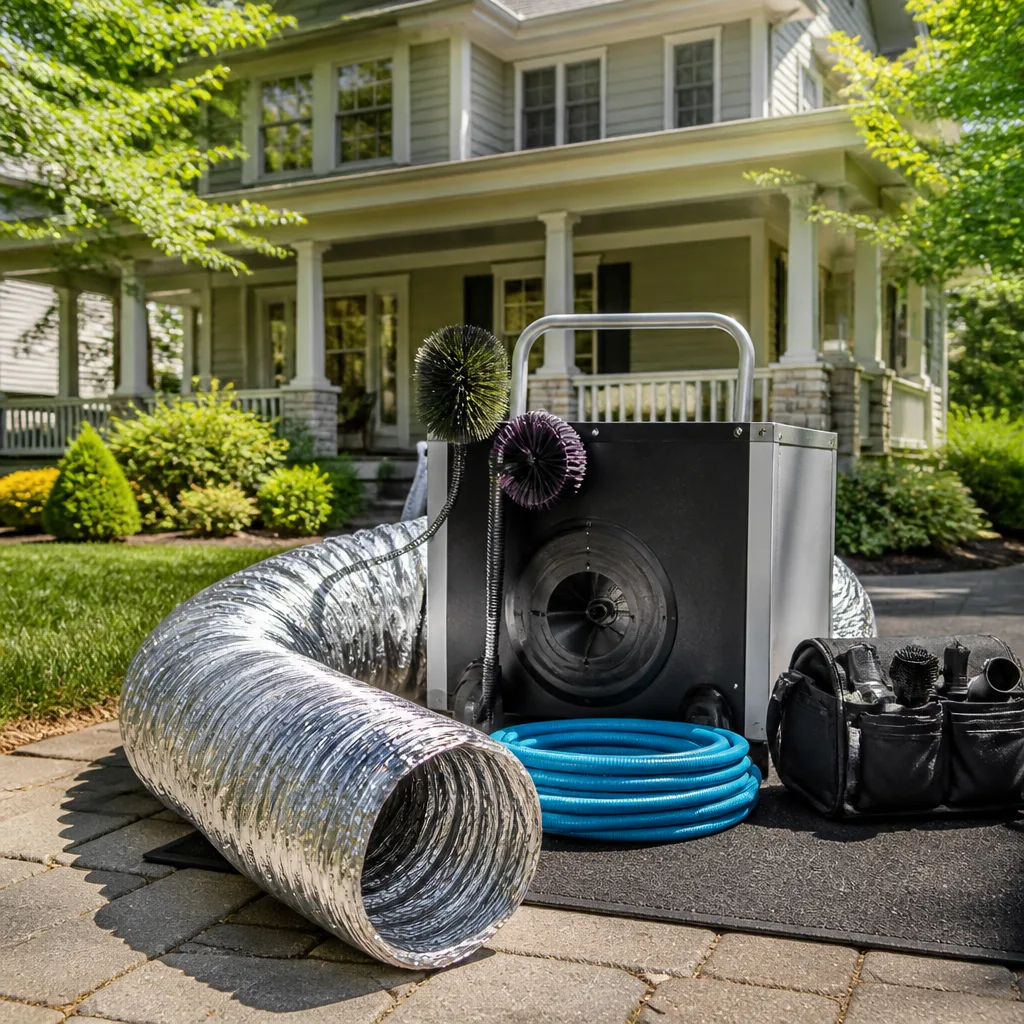 Whole-home duct cleaning
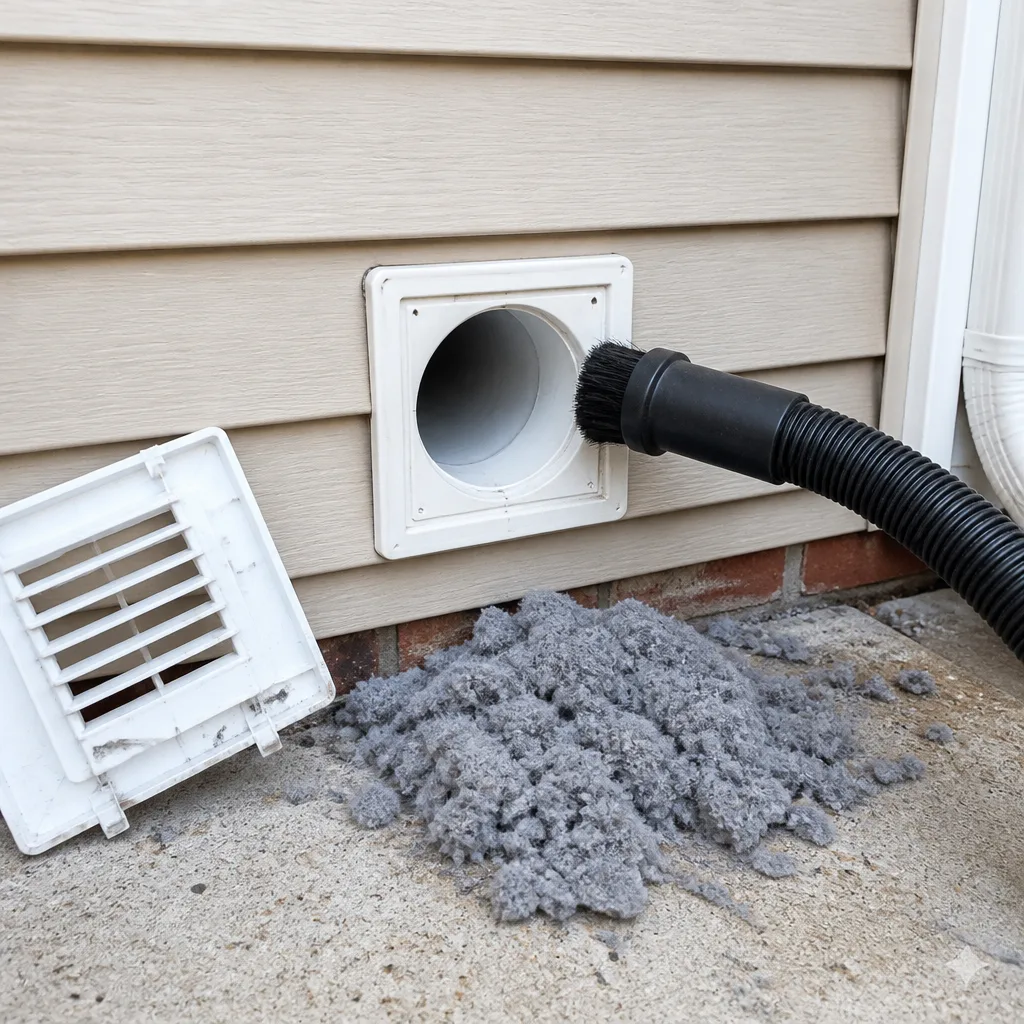 Dryer vent cleaning
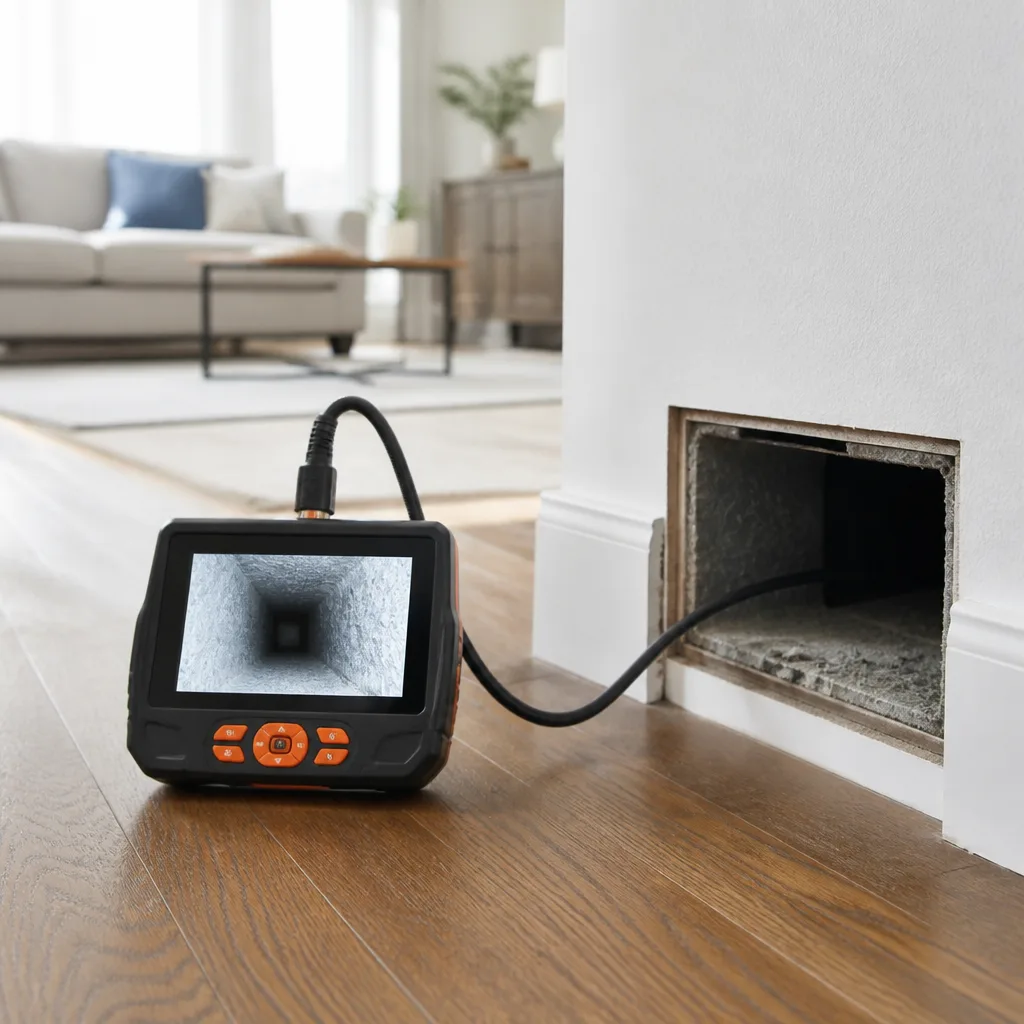 Camera inspection
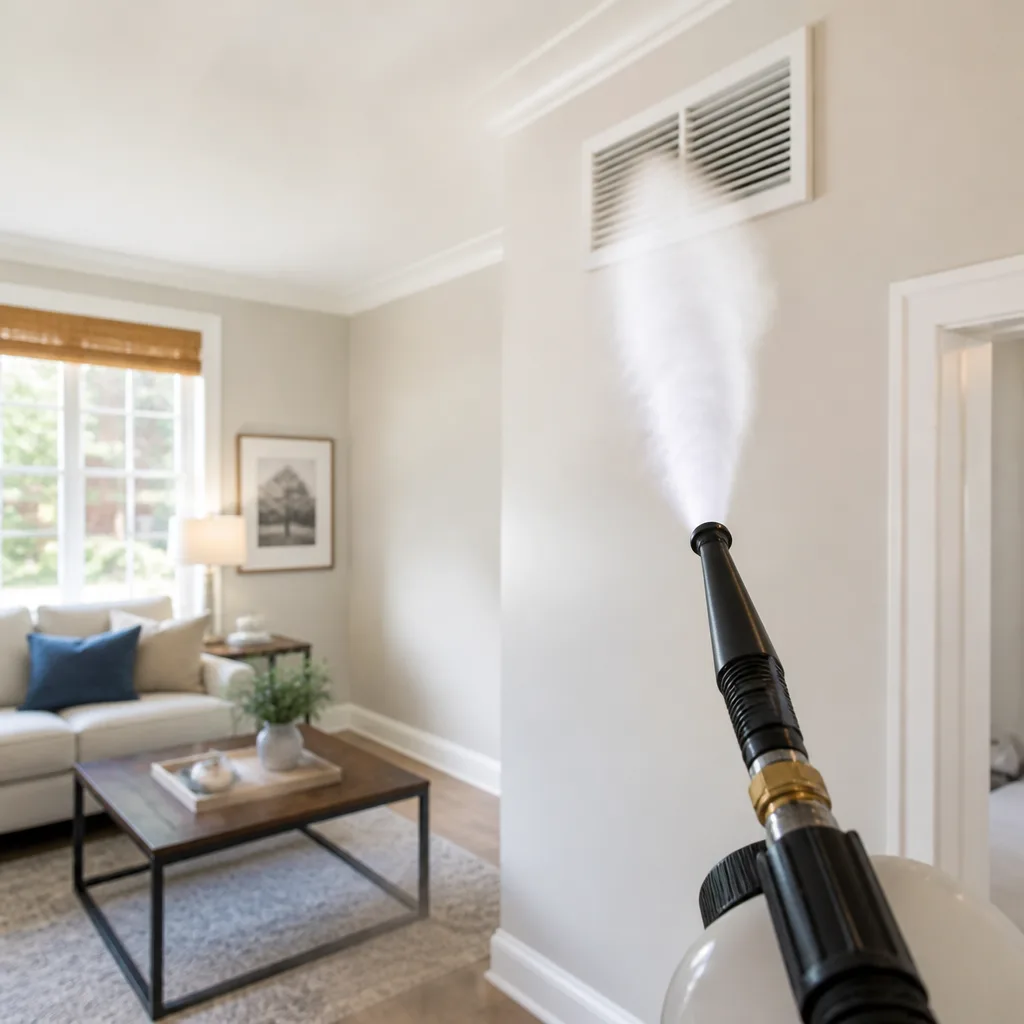 Sanitizing & deodorizing
Whole-system duct and dryer vent check with before-and-after photos - you see exactly what came out of your vents
That "$99 whole-house special" is a bait ad - the real number appears once they are in your hallway, or the "clean" is a shop-vac at the register. We photograph the inside of your ducts before and after instead.
Air Duct Cleaning Warning Signs: A West Valley City Homeowner’s Reference Guide
Dust puffing out of a register when the heat kicks on feels like the moment you finally have proof. In our experience, it’s the opposite. By the time contamination is visible at the outlet, the loading inside the duct trunk and at the air handler has usually been building for years, and what you’re seeing is only the fraction that escaped. The signs that actually tell you a cleaning is overdue are quieter: a run cycle that stretches a few minutes longer each season, a bedroom that never quite matches the thermostat, an odor that shows up only on the return side. This guide walks West Valley City homeowners through what to measure, what to smell, and what to ignore, so you can tell normal house dust from an active duct problem.
Quick Answer
The warning signs that most reliably point to overdue duct cleaning are invisible at the register: longer HVAC run cycles, uneven room temperatures, rising utility bills with no change in usage, a musty or chemical odor at the return grille, and allergy symptoms that are worse indoors than outdoors. Visible dust discharge from a supply register is a late-stage indicator, not an early one. If you can check two or more of these at once, it’s worth a professional assessment.
Styles & brands we work with
- Whole-home duct cleaning
- Dryer vent cleaning
- Camera inspection
- Sanitizing & deodorizing
Table of Contents
- The White Tissue Test: Distinguishing Normal Dust From Active Discharge
- HVAC Performance Indicators That Point to Duct Restriction
- Odor Diagnostics: Burn-Off, Musty Return Air, and Chemical Smells
- Indoor vs. Outdoor Allergy Symptoms: What the Difference Tells You
- West Valley City Housing Stock and Post-Renovation Triggers
- When to Escalate From Observation to Professional Assessment
- What a Proper Inspection Actually Looks At
The White Tissue Test: Distinguishing Normal Dust From Active Discharge
Every home produces dust, and every duct system moves some of it. The question isn’t whether dust exists, it’s whether the system is actively pushing it into your living space on startup. There’s a simple way to tell the difference, and it doesn’t require any tools.
Hold a white paper tissue or a clean white paper towel a few inches in front of a supply register. Turn the system on from a cold start, when the fan has been off for at least an hour. Watch the tissue for the first thirty to sixty seconds of airflow.
- No visible deposit: normal. Your filtration is doing its job and the duct interior isn’t discharging particulate.
- Light gray tinting after a minute: borderline. Likely settled dust being redistributed. Worth rechecking in a month after a filter change.
- Visible gray or dark deposit in seconds: active discharge. Contamination is reaching the register face on every startup.
- Visible debris or particles falling onto the tissue: this is the late-stage signal. The duct trunk is loaded enough that airflow is dislodging material, and the air handler is likely pulling from a contaminated return.
Repeat at two or three registers, ideally one on the longest duct run in the house and one near the air handler. The pattern matters. A single dusty register in a room nobody uses is different from deposits at every register on the same branch. In West Valley City homes with long, low-slung supply runs in the ceiling, the furthest registers are often the dirtiest for a simple reason: velocity drops as the duct extends, and low velocity means less scouring at the terminus and more settling. If your far bedrooms test worse than your near ones, that’s a run-length effect, not a house-keeping one.
One caveat that trips a lot of homeowners: the tissue test only reads the supply side. A system can have serious return-side loading and test clean at every register, because the return is drawing air toward the filter, not away from it. Look at the return grille and the plenum behind it before you draw any conclusions. If the filter looks gray on the intake face and the fins behind it are visibly coated, the supply test is not telling you the whole story.
HVAC Performance Indicators That Point to Duct Restriction
Your HVAC system is the most honest instrument in the house. It reports the condition of the ductwork through its behavior, and most homeowners read those reports as “the system is getting old.” They usually aren’t. Here’s what to watch.
Run cycles that stretch longer. If your furnace or air handler used to satisfy the thermostat in ten minutes and now takes eighteen, something has changed in the system’s ability to move air. Restricted ducts, a fouled evaporator coil, or a loaded return plenum all produce the same symptom. In West Valley City, where summer afternoons regularly push past 95°F, a run-cycle change is easy to notice against your own memory of July, and easy to write off as a hot year.
Uneven room temperatures. A house that used to hold within a degree or two from room to room and now has one bedroom five degrees off is telling you about airflow distribution, not thermostat placement. Duct restriction is unequal by nature: it hits the longest runs hardest.
Utility bills rising with no change in usage. This is the cleanest signal of all, because you control every other variable. Same household, same thermostat setpoints, same number of occupants, same season, higher bill. A system that needs longer cycles to satisfy the load is burning more energy to reach the same temperature, and a restricted or fouled air path is one of the most common causes.
Coil fouling you can actually see. If you know how to open the access panel and look at the evaporator coil, and the fins are coated with a mat of dust rather than showing clean metal, that material came through the return side of your ducts. Coils don’t get dusty from the air outside; they get dusty from the air the return plenum hands them.
What These Indicators Don’t Tell You
None of them are proof of a duct problem on their own. A failing blower motor, a refrigerant charge issue, and a duct restriction can all produce longer run cycles. What they do is justify a look inside the system. A professional assessment separates the possibilities by examining the return plenum, the coil, and a sample of the duct trunk rather than guessing at the thermostat.
If you’re seeing two or more of these at once, it’s worth scheduling air duct cleaning and a system inspection together. We work with the full air pathway, which means we can trace a restriction from the return grille to the coil to the supply trunk instead of just cleaning the branch we happened to open first.
Odor Diagnostics: Burn-Off, Musty Return Air, and Chemical Smells
Odor is the most useful diagnostic tool a homeowner has, and the most misread. Three common smells have three entirely different causes, and only one of them is a cleaning problem in the usual sense.
Dusty Burn-Off Smell (Seasonal, Usually Benign)
On the first heat call of the season, you may notice a light, dry, dusty smell that fades within a half hour. That’s settled dust burning off the heat exchanger. It’s normal, it happens once a year, and it’s not a sign that your ducts need cleaning. If the smell persists past the first several cycles of the season, or returns mid-season, that’s a different situation and worth looking at.
Musty Return-Air Odor (Moisture Issue)
A musty, earthy, or “basement” smell that appears at return grilles, or that gets stronger when the fan runs, points to moisture somewhere in the air path. The common causes are a wet evaporator coil drain pan, condensation on cold duct surfaces, or a return plenum that has been drawing humid air from a crawlspace or unconditioned zone. In West Valley City, where the summer is dry but an overworked air conditioner produces a lot of condensate and a poorly drained pan can sit wet for weeks, this is a real and reasonably common find. Musty odors matter because persistent moisture inside a duct system is the condition that supports biological growth, and no amount of cleaning removes a growth problem if the moisture source is still active. The fix is identifying and stopping the moisture first, then cleaning and sanitizing the affected pathway. We use Abatement Technologies air filtration during service specifically because remediation-level filtration is the standard this kind of work requires.
Persistent Chemical Smell (Possible Contamination Source)
A sharp, solvent-like, or synthetic smell that doesn’t fade and can’t be traced to a cleaning product or a new piece of furniture deserves attention. Persistent chemical odors indoors can indicate an off-gassing source, a pest issue, or contamination introduced into the system from a renovation or an exterior source. This is not a smell to cover with a plug-in air freshener. It’s a smell to investigate. If the odor appears at the return and intensifies when the fan runs, the air path is the delivery mechanism and should be inspected.
Snapshot version:
- Dry, dusty, fades in minutes: seasonal burn-off, usually not a duct issue.
- Musty, earthy, strongest at the return: moisture problem upstream. Find the source, then clean.
- Chemical, sharp, persistent: investigate the source. Don’t sanitize over an active problem.
Indoor vs. Outdoor Allergy Symptoms: What the Difference Tells You
Allergy sufferers are notoriously good at noticing patterns and notoriously bad at interpreting them, because the same symptom can come from two very different places. The distinction that matters is indoor versus outdoor.
If your symptoms track the pollen forecast, get better when you leave the house, and flare on windy days, you’re reacting to outdoor air making its way in through windows, doors, and infiltration. That’s a filtration question at the envelope level, and a duct cleaning won’t fix it.
If your symptoms get worse after you’ve been indoors for a couple of hours, ease when you leave the house, and flare specifically when the HVAC fan is running, you’re reacting to something the system is delivering. That pattern points upstream: the contamination is in the return side of the air pathway, ahead of your living space and ahead of the filter’s ability to capture it.
Pay attention to which room is worst. A bedroom that gets worse overnight, when the door is closed and the system runs, is telling you about the supply air to that room specifically. A living room that gets worse when the system cycles is telling you about the return. The room-level pattern is more diagnostic than the overall severity.
There’s a filtration piece here that’s worth separating from cleaning. A filter can only capture what reaches it, and it can only be as good as its fit in the housing. A high-MERV filter that’s loose in a return grille lets a large share of the air bypass the media entirely. If your filtration system is a whole-home unit, we service and are compatible with Aprilaire systems, and part of the assessment is checking that the filter is actually sealing rather than just present. If your return grille is open with a loosely fitted panel filter, that’s a filtration failure upstream of everything else, and no amount of cleaning downstream will compensate for it.
West Valley City Housing Stock and Post-Renovation Triggers
Air duct cleaning warning signs don’t happen in a vacuum. The local housing stock shapes which problems are likely and when. In West Valley City, that means a few specific patterns worth knowing about.
Older homes with original sheet metal ductwork. Many West Valley City neighborhoods have homes from the postwar decades with rigid galvanized duct runs, some of them wrapped in aging external insulation. That insulation degrades, and when the wrap fails, the duct system draws attic or crawlspace air into the supply path. If your home has original ductwork and you’ve never had it inspected, the wrap condition is as important as the interior condition. We repair and seal what we find precisely because a cleaned duct with a failed wrap is going to get dirty again quickly.
Newer construction with flex duct in the attic. West Valley City’s newer subdivisions often run flex duct through the attic. Flex duct has more surface area per run, more ridges that hold debris, and more opportunity for slack sections that sag and trap material. Attic installations also see sharper temperature swings, which is hard on the duct and on the connections. If you’re in a home less than about fifteen years old and the flex runs were installed with tight bends, the trunk may be loading faster than you’d expect.
Post-renovation. This is the single most common trigger we see. Drywall dust is fine, abrasive, and it travels. It gets pulled into the return as soon as the system runs, and it coats everything downstream. If a West Valley City homeowner has had a kitchen remodel, a bathroom gut, or a full basement finish done, the system should be inspected and cleaned afterward. The mistake is running the HVAC during the work to “keep the air moving.” That’s exactly how you load every duct in the house with construction dust.
Post-pest-activity. If you’ve had a rodent, bird, or insect issue in the attic or crawlspace, and the ductwork runs through that zone, the ducts need to be inspected regardless of how the system is performing. Nesting material, droppings, and contamination from pest activity do not announce themselves at the register. They’re found inside the system, and they’re found by inspection. This is a scenario where professional assessment isn’t optional, because the contamination may be in a location a homeowner can never see.
If you’re in any of these situations and also seeing HVAC symptoms, the right move is a full-pathway inspection rather than a partial cleaning. We handle HVAC cleaning as part of the same scope, so the coil, the plenum, and the duct trunk are assessed together, not in isolation.
When to Escalate From Observation to Professional Assessment
Not every dusty register needs a phone call. Some observations are worth logging and rechecking in a month. Others should be escalated promptly. The dividing line is whether the symptom is improving, stable, or accumulating.
Log and recheck: a single dust deposit on the tissue test that doesn’t reappear after a filter change. A burn-off smell on the first heat cycle of the season. A slight run-cycle change you’re not sure about. These are worth watching.
Escalate promptly:
- Tissue test shows visible deposit within seconds at multiple registers.
- Run cycles have lengthened noticeably across a full season, and utility bills are up with usage unchanged.
- A musty odor is present at the return and getting stronger rather than fading.
- A persistent chemical smell you can’t trace.
- Allergy symptoms that are clearly worse indoors than outdoors and correlate with the fan running.
- The system has been through a renovation or pest activity in the last twelve months.
- You can see debris, nesting material, or a failed duct wrap when you look at a return or an accessible duct run.
Note that these are observations, not diagnoses. A professional assessment confirms what’s actually inside the system, and in our experience the inside picture is usually better organized than the homeowner’s mental picture of it: either less contaminated than feared at the registers, or more loaded than expected at the coil and trunk.
If your home has a dryer vent that runs a long, sagging path through a wall or floor, and you’re noticing lint accumulation around the exterior vent or clothes that take two cycles to dry, that’s a separate warning sign worth acting on independently. We handle dryer vent cleaning as its own scope, and it’s a safety issue, not just an efficiency one.
What a Proper Inspection Actually Looks At
A thorough assessment walks the whole air pathway, not just the supply branch that’s easiest to reach. Here’s what that looks like in practice.
- The return plenum and return grilles. How much material is present, whether the filter is sealing properly, and whether the grille face is loaded.
- The air handler and coil. Coil condition, drain pan condition, and whether the pan is draining or sitting wet.
- A sample of the supply trunk. Material conditions at the near end and at the longest run terminus, to see the distribution of loading.
- Accessible duct runs. Wrap condition, sagging sections, disconnected joints, and any taping that has failed.
- The attic or crawlspace zone where the ducts run, for signs of pest activity, moisture, or envelope failure that would affect the ducts.
The reason equipment matters at this stage is that the cleaning has to match the loading. Mechanical agitation with a professional-grade system (we use Rotobrush and Nikro equipment) physically breaks material loose from the duct wall before extraction. A low-powered vacuum pulled along a duct picks up what’s loose and leaves what’s adhered, which is most of it. Abatement Technologies filtration during the service keeps what comes loose in the system contained until it’s removed, which is the standard this work should be done at.
Common Mistakes to Avoid
- Assuming a dusty register means the whole system is dirty. It might, but the register is the last thing in the chain. Check the return and coil first to understand the source.
- Running the HVAC during a renovation. This is the most common way a West Valley City system gets loaded with construction dust. Seal the registers or don’t run the fan until the job is done.
- Treating a musty smell with air freshener or a standalone sanitizer. If the moisture source is still active, sanitizing adds a step without fixing the problem, and the musty smell returns within a few weeks.
- Buying on price alone. A quote that prices per vent or opens with a coupon figure tends to grow once the technician is on site. Ask for one flat price per system, agreed in writing before any work starts.
- Skipping the return side of the inspection. Systems can pass a register test with a badly loaded return plenum. The return is where the contamination that reaches the coil usually lives.
- Waiting until the system visibly fails. By the time discharge is visible at a register, the loading has been building for years. The performance and odor indicators show up well before that.
- Cleaning without fixing what’s broken. A duct with a failed wrap or a disconnected joint will be dirty again. Duct repair and sealing is part of what keeps a cleaned system clean, and it’s why we don’t treat a cleaning as the whole job.
See the difference
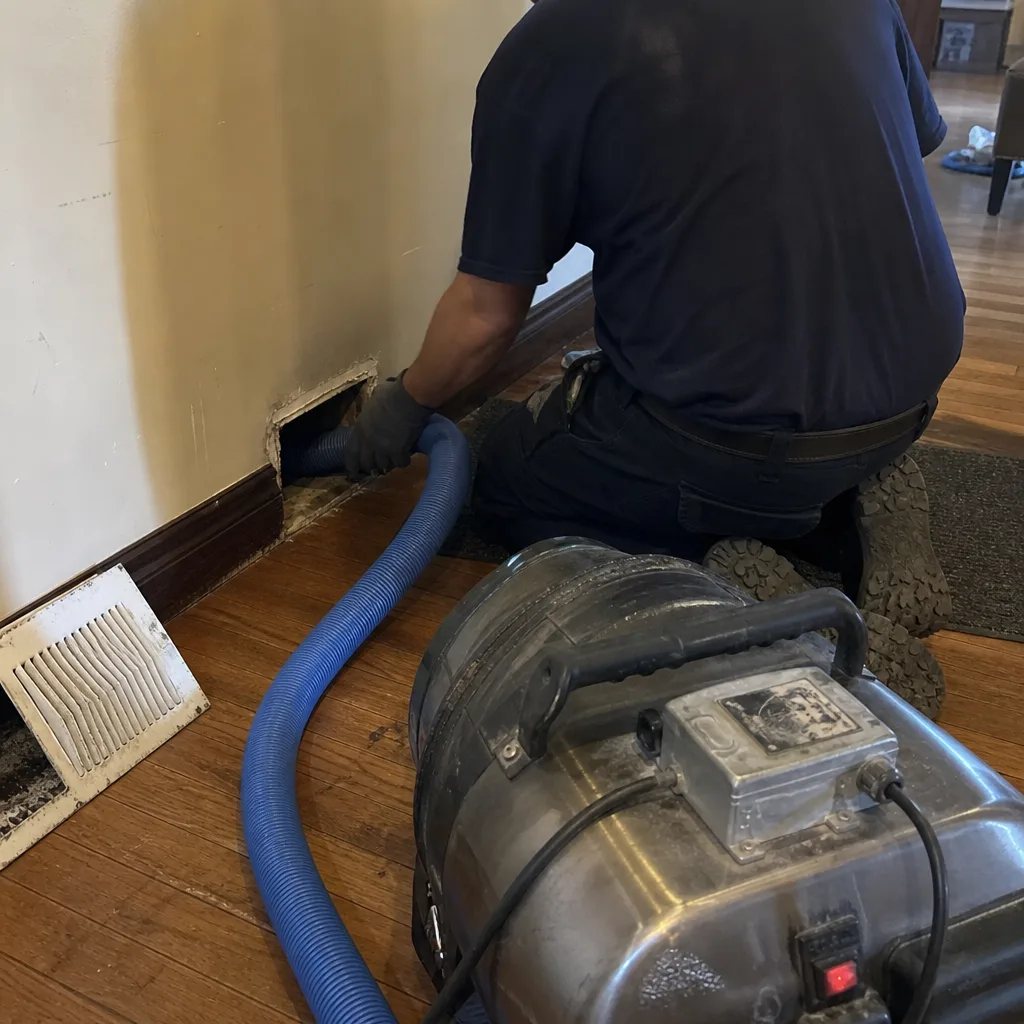 Before
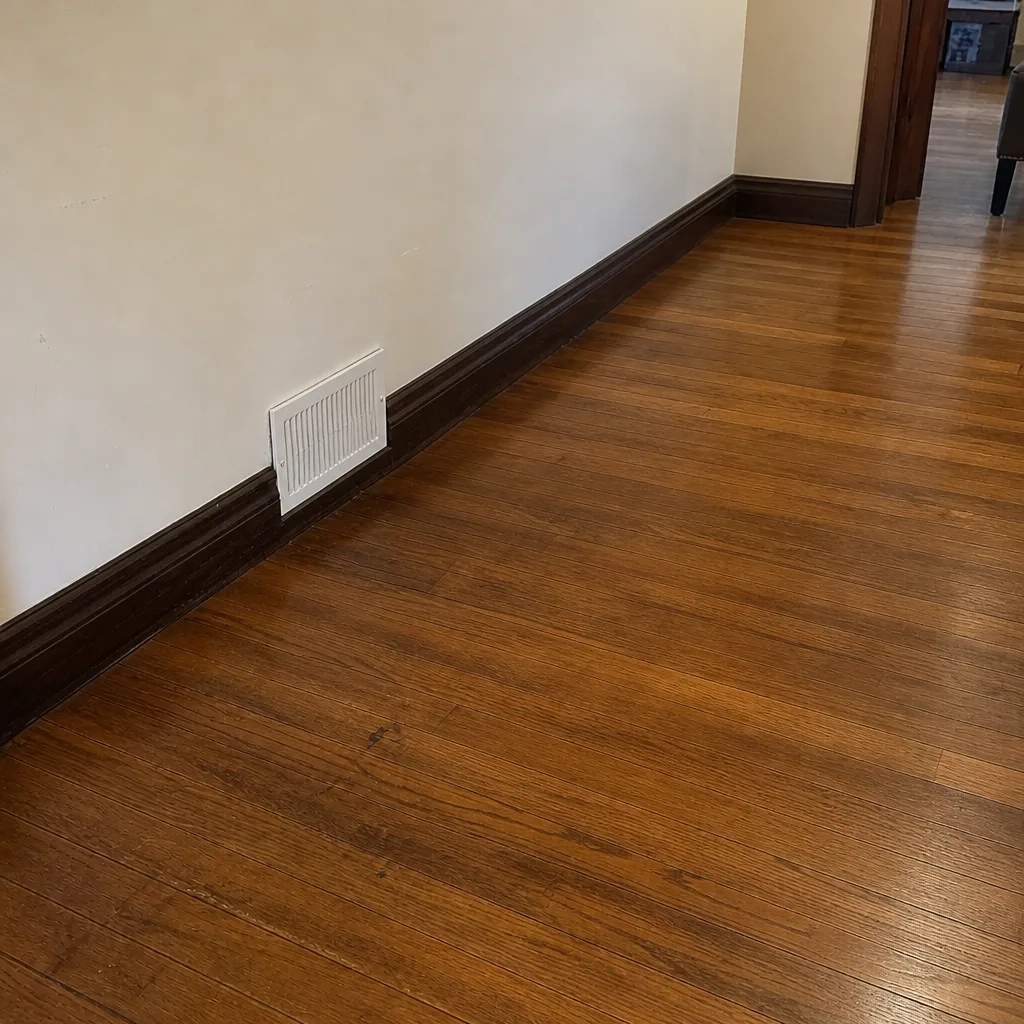 After
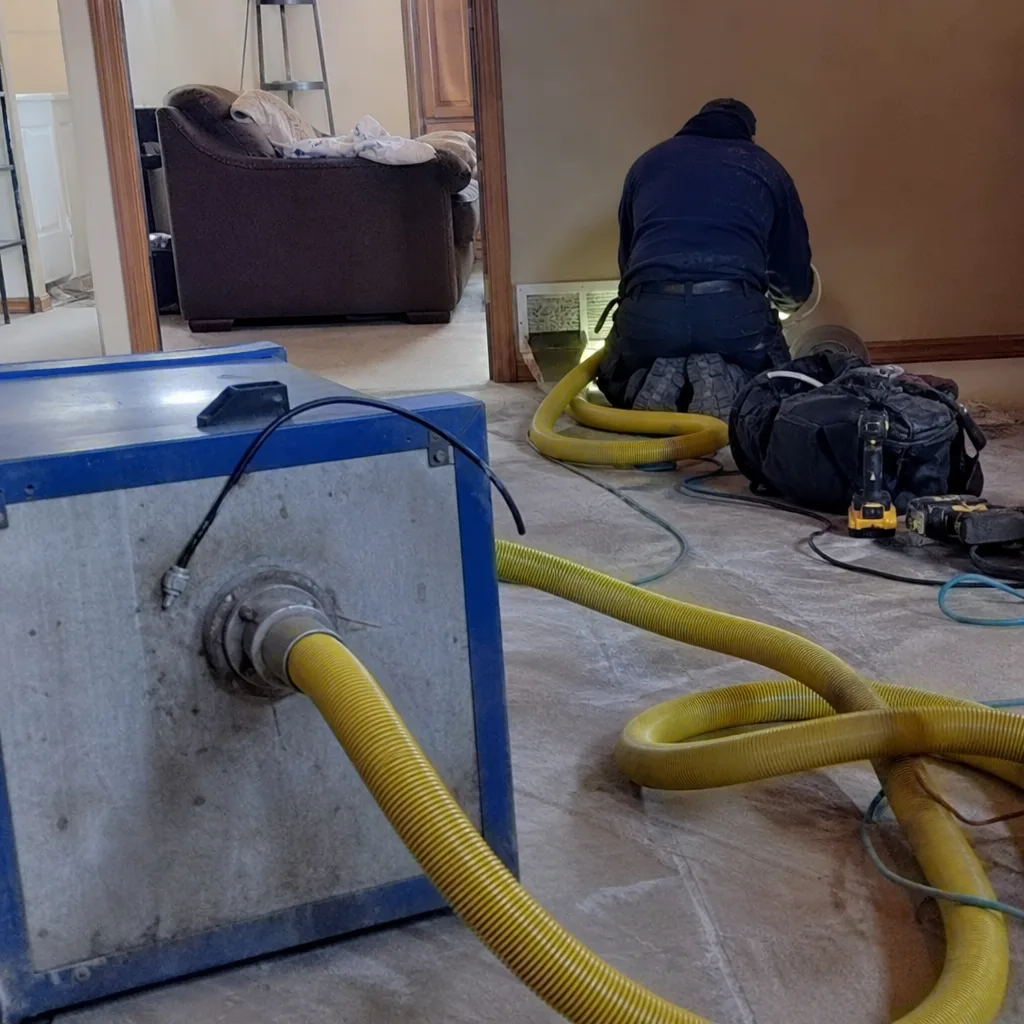 Before
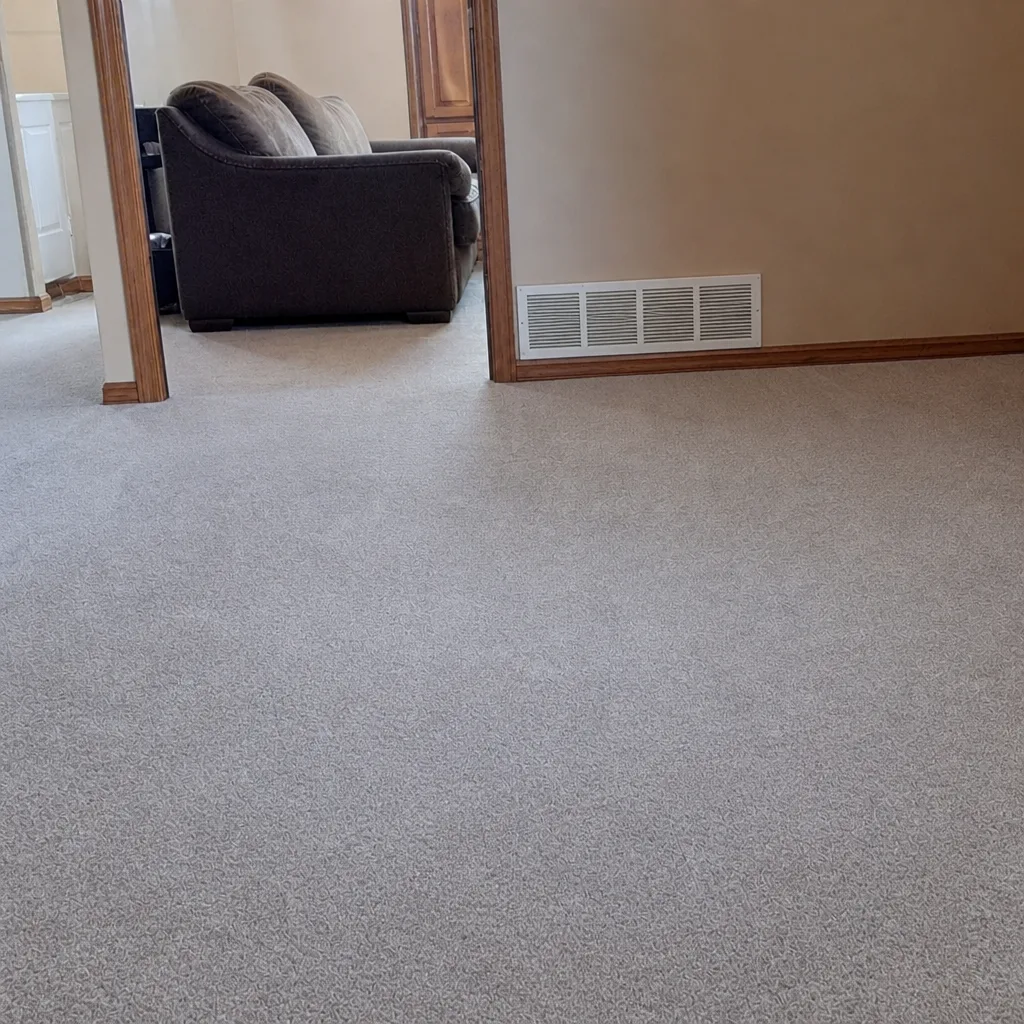 After
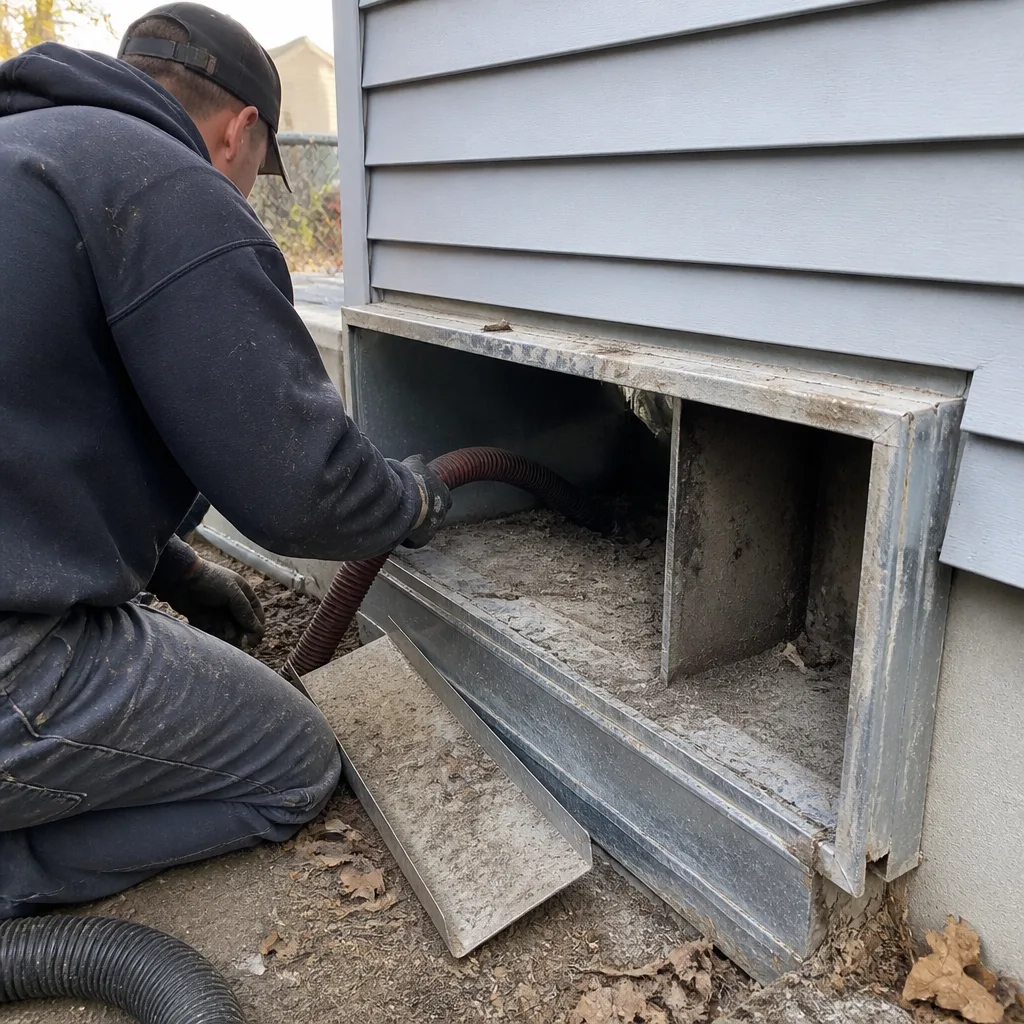 Before
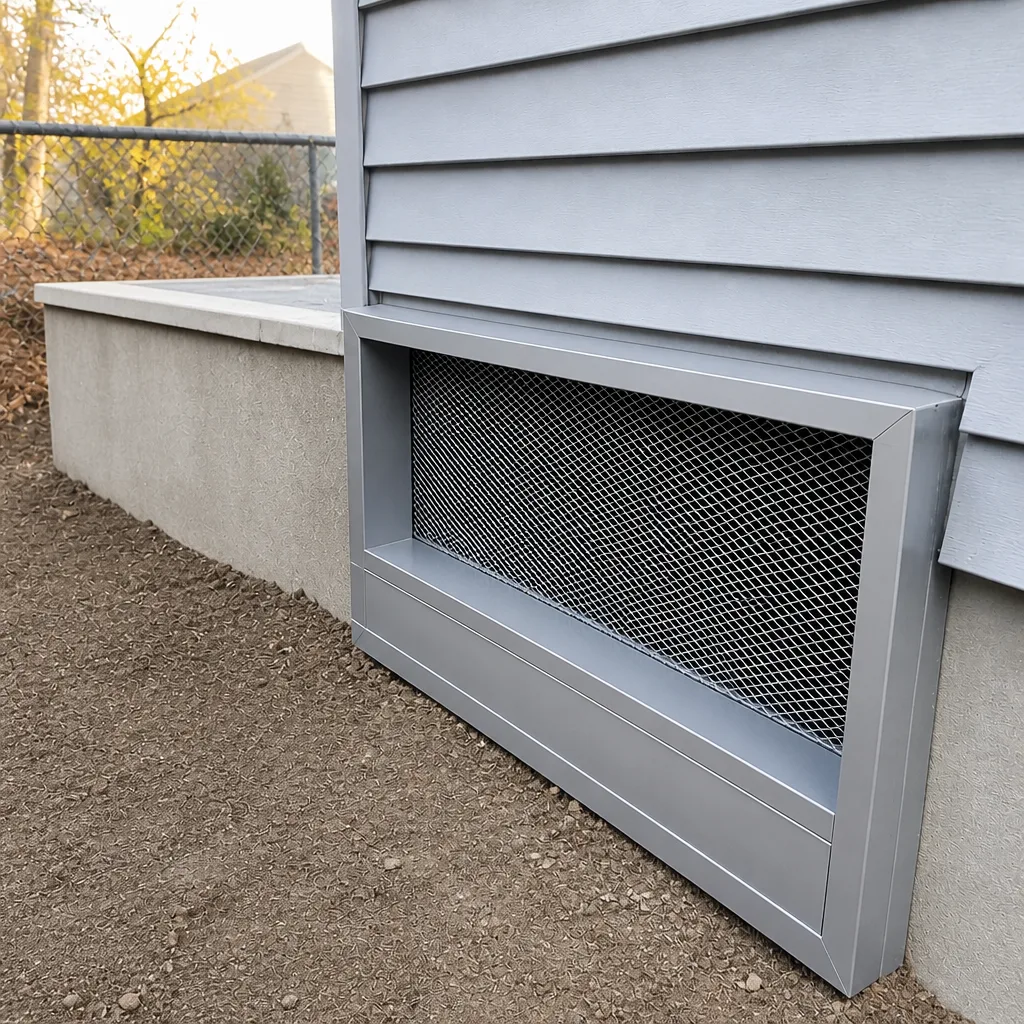 After
When to Call a Professional
Call when the observations in this guide point in the same direction: two or more HVAC performance indicators at once, a persistent odor at the return, an indoor allergy pattern, a recent renovation or pest issue, or a tissue test that produces a visible deposit. Call before the system visibly fails, because a register discharge is a late-stage signal and the loading behind it has been building for years. West Valley City Air Duct Cleaning Pros offers free estimates in West Valley City; call (855) 337-1649. We answer 24/7. Fast dispatch from 7am to 7pm, Sunday through Friday. The local pro is licensed and insured as their state requires, and you get one flat price per system agreed before work starts, plus before-and-after photos of your own ducts. Our technicians have up to 9 years of experience, and we walk the full air pathway so nothing gets left as a second job for someone else.
Frequently Asked Questions
Typical estimates for a whole-home system in the West Valley City market fall in the range most homeowners see for a full-pathway service that includes the supply and return sides, the air handler, and sealing where it’s needed. Cost depends on the number of systems, the length and accessibility of the runs, and whether duct repair or sealing is required. What matters more than the range is the pricing structure: one flat price per system, agreed in writing from a written estimate, with no per-vent pricing and no coupon figure that grows after arrival. Call (855) 337-1649 for an exact quote; estimates are free.
Cheap quotes usually price per vent and clean only what’s reachable, often with low-powered equipment that won’t break material loose from the duct wall. The cost difference shows up in what’s left inside the system: the adhered debris, the loaded return plenum, and the coil are usually the parts that get skipped. Ask any company what equipment they use and whether the return side and air handler are included. A quote that can’t answer those questions clearly is the one to be skeptical of. Call (855) 337-1649 for a straight estimate on the whole system.
You’ll know because you have before-and-after photos of your own ducts, not a stock image, and because the technician walked the system with you before and after. Ask to see the return plenum and the coil before and after. Those are the two locations where the work is most visible and most often skipped. Call (855) 337-1649 to schedule an assessment.
Most homes go several years between cleanings unless a specific trigger applies: a renovation, pest activity, a moisture event, or a change in HVAC performance or indoor air quality. Homes with pets, heavy occupancy, or long flex-duct runs in an attic tend to need it sooner than a lightly used house with tight metal ductwork. There’s no universal calendar interval, and any company that quotes one without inspecting the system is guessing. Call (855) 337-1649 and we’ll assess the system rather than sell a schedule.
It can, when the allergy pattern is indoor-driven: symptoms worse after being inside, worse when the fan runs, and worst in a specific room. In that case the return side and the filtration upstream are usually the cause, and cleaning the system plus fixing the filter fit addresses it. If the pattern tracks the outdoor pollen count instead, duct cleaning isn’t the right tool and filtration at the envelope level is. Call (855) 337-1649 and we’ll tell you honestly which pattern we think you’re describing.
Normal dust settles on surfaces and doesn’t reappear within minutes of a filter change. An active duct problem produces visible deposit at a register within seconds of startup, reappears after cleaning the register face, and typically follows a pattern across multiple registers on the same run. The white tissue test at startup separates the two. If yours shows a deposit in seconds, that’s the signal. Call (855) 337-1649 for a free estimate and an inspection of the return side.
We’re authorized to work on Honeywell and Aprilaire air quality systems, and we service both. That matters because a whole-home filtration or humidification unit sits inside the air pathway you’re cleaning, and a cleaning that ignores it leaves part of the system untouched. We use Rotobrush and Nikro equipment for the mechanical cleaning and Guardsman-grade products at the finishing and sanitizing stage. This is the West Valley City Air Duct Cleaning Pros suite of services, meant to cover the full air pathway in one scope. Call (855) 337-1649 for details on your specific setup.
The Bottom Line
The warning signs that matter in West Valley City homes are mostly not visible at the register. Long run cycles, uneven room temperatures, rising bills with no usage change, a musty return-air odor, indoor-driven allergy symptoms, and post-renovation or post-pest triggers all point to conditions inside the system that you can’t see from the living room. The tissue test is a useful late-stage check, but by the time it shows a deposit, the loading has been building for years. Watch the performance indicators, treat odor as diagnostic, and escalate when multiple signs line up. A professional assessment confirms what’s actually inside the air pathway.
Written by the team at West Valley City Air Duct Cleaning Pros.