
Last updated November 24, 2026
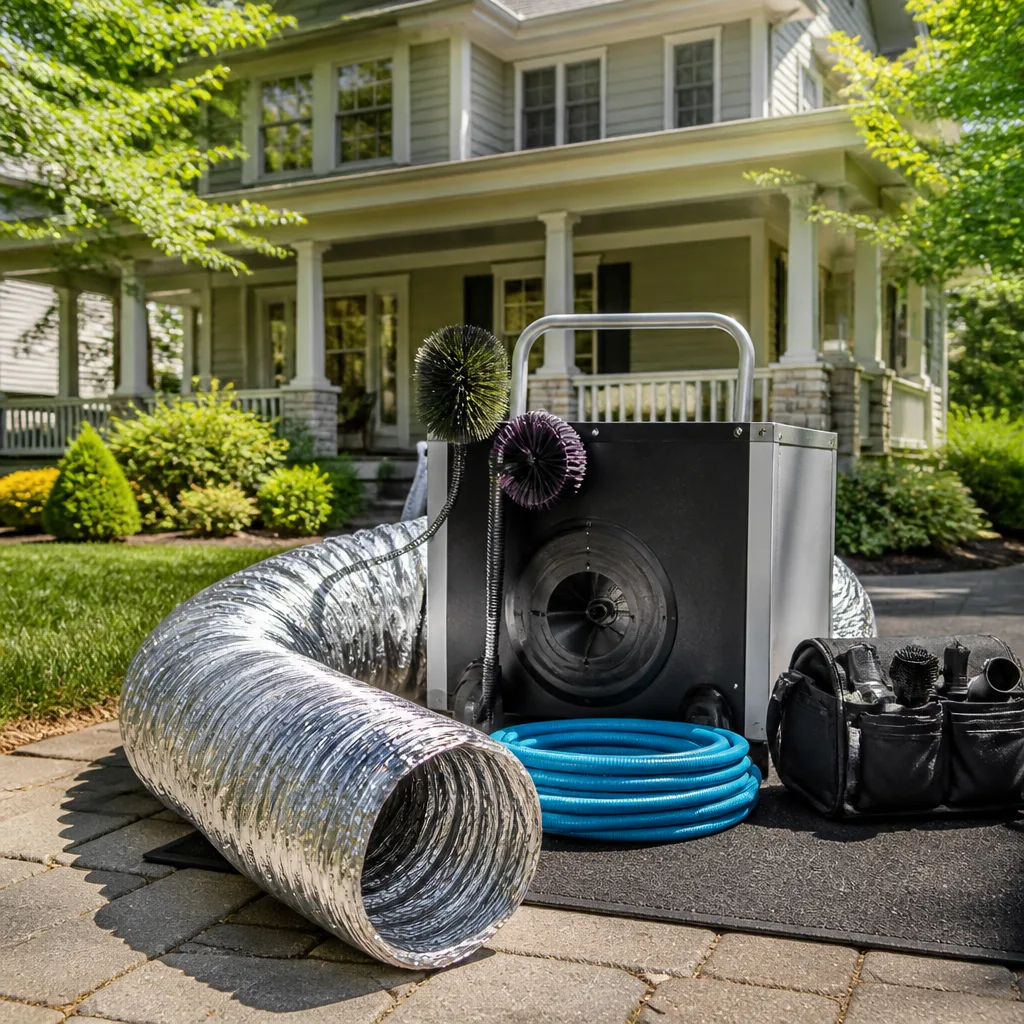 Whole-home duct cleaning
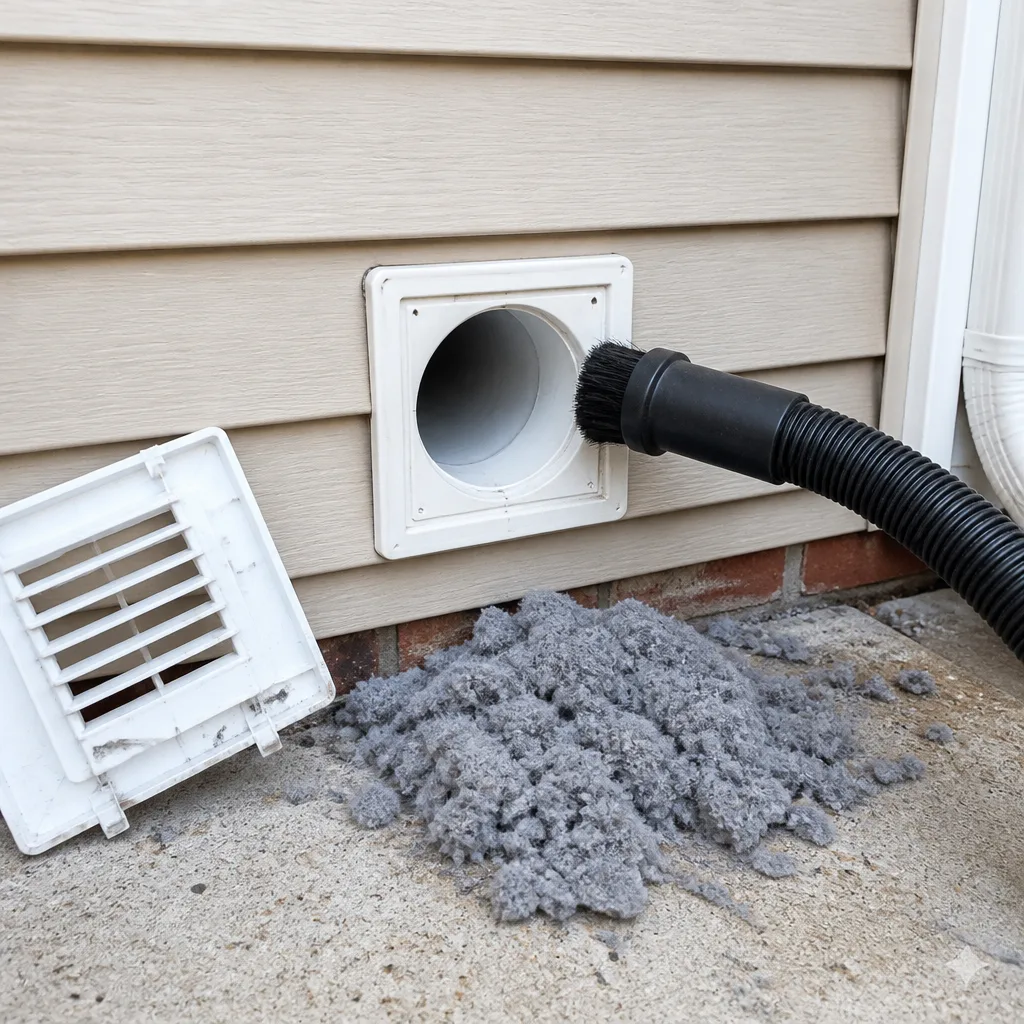 Dryer vent cleaning
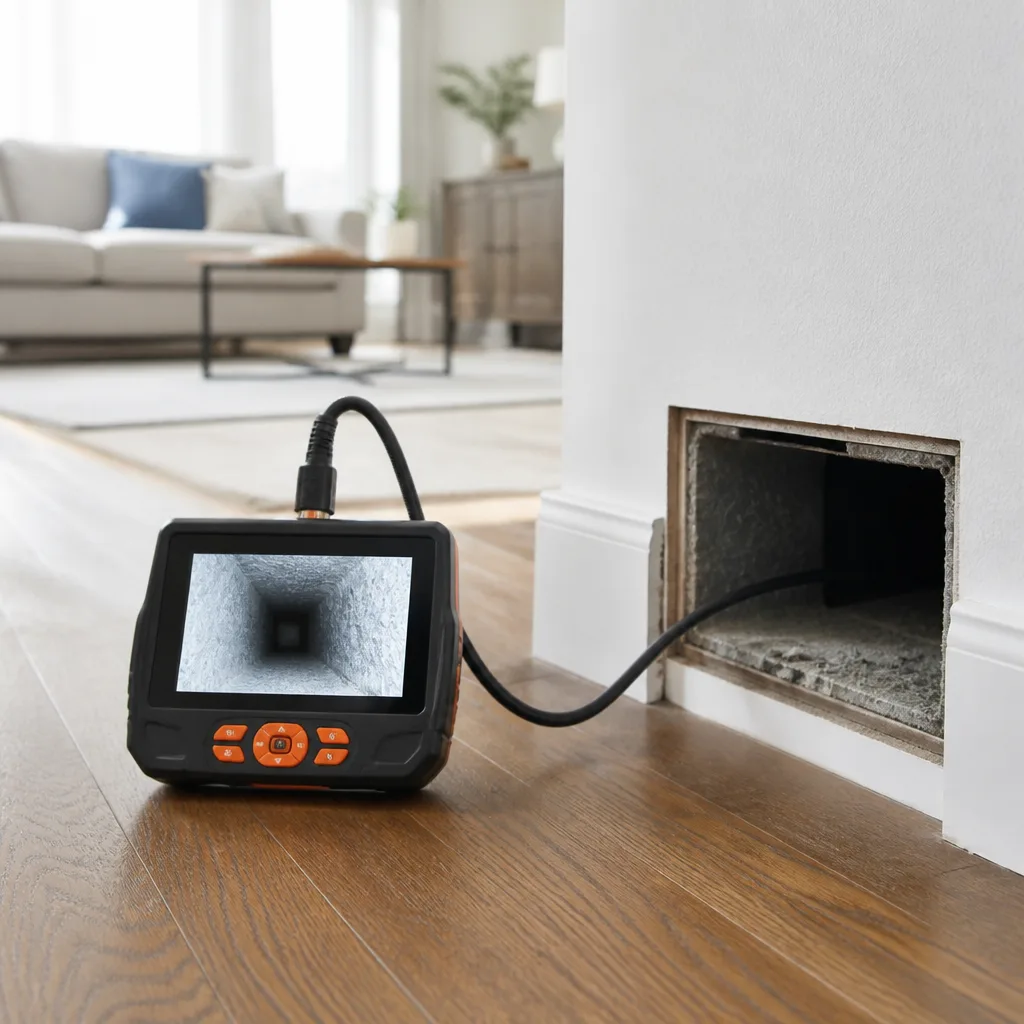 Camera inspection
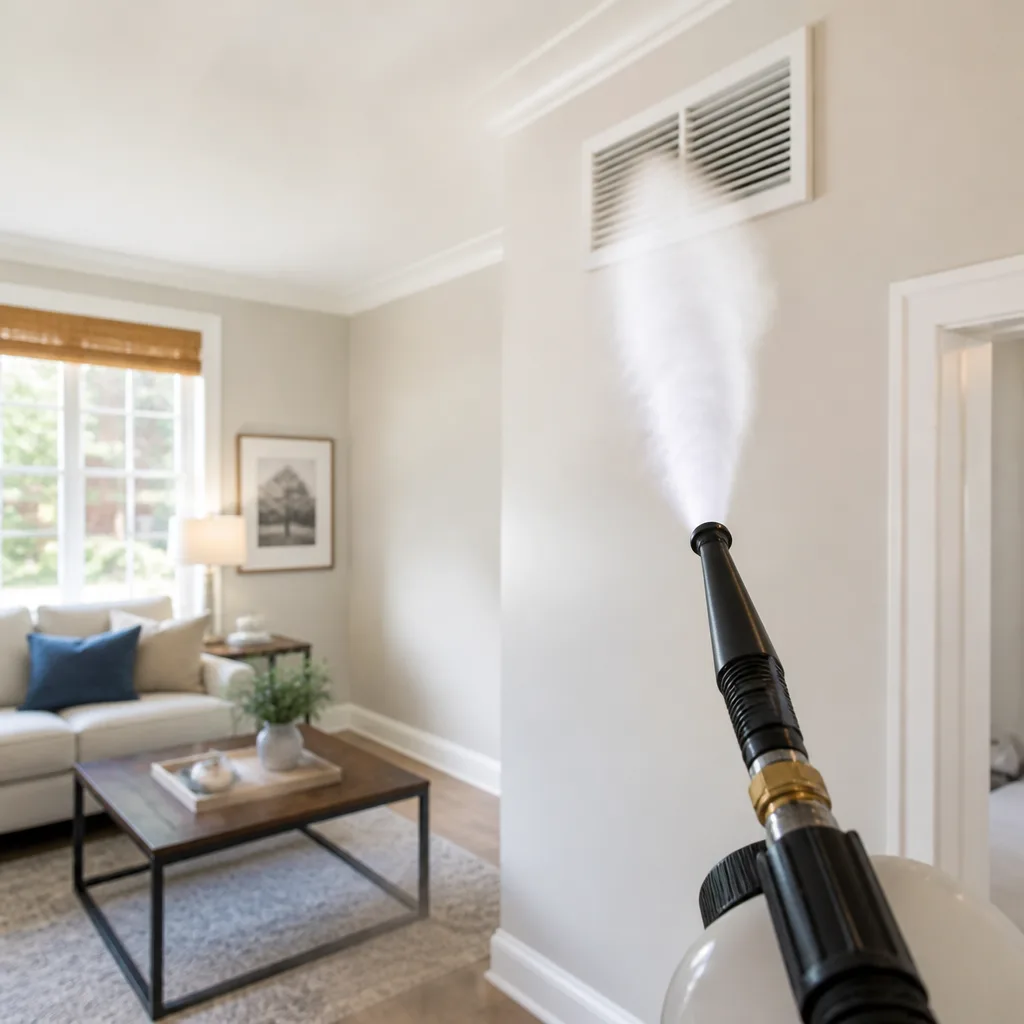 Sanitizing & deodorizing
Whole-system duct and dryer vent check with before-and-after photos - you see exactly what came out of your vents
That "$99 whole-house special" is a bait ad - the real number appears once they are in your hallway, or the "clean" is a shop-vac at the register. We photograph the inside of your ducts before and after instead.
Air Duct Cleaning Maintenance Checklist for West Valley City Homeowners
Most West Valley City homeowners fall into one of two camps. Some never think about their ducts at all because nothing looks obviously wrong, so contamination builds quietly for years behind the drywall. Others get talked into an annual cleaning they don’t actually need, and the ducts that were fine in March are still fine in November. Both problems come from the same gap: there’s no structured way to track the indicators that actually drive contamination.
This guide is a monitoring system, not a cleaning schedule. It shows you what to watch at your registers without tools, how to read your filters, when to schedule an inspection in West Valley City, and how to document change over time so you make a decision from evidence rather than from a sales pitch. What you’ll read below is the checklist we’d hand a homeowner who wants to know their system, not a coupon.
Quick Answer
An effective duct maintenance checklist for West Valley City tracks three things: monthly visual and smell checks at your registers, filter change intervals that match your MERV rating, and seasonal trigger events (post-inversion haze season, post-renovation dust, and spring activity from rodent season). You schedule a professional cleaning when a checklist finding crosses a hard line: visible mold, an odor that only appears under airflow, or debris you can see discharging from a supply register. You don’t schedule it just because a year went by.
Styles & brands we work with
- Whole-home duct cleaning
- Dryer vent cleaning
- Camera inspection
- Sanitizing & deodorizing
Table of Contents
- How Your Duct System Gets Dirty in West Valley City
- The Monthly Checklist: What to Check Without Tools
- Seasonal Trigger Events That Earn an Inspection
- Filter Tracking Protocol: MERV, Intervals, and What a Clogged Filter Is Telling You
- How to Document Duct Condition Over Time
- Monitoring vs. Scheduling: The Hard-Line Conditions
- Why the Checklist Covers the Full Air Pathway, Not Just the Ducts
- How to Build Your Annual Duct Log
Quick Answer: Check monthly, track filters on a written interval, review at every seasonal trigger, and call only when a hard-line condition appears. If you’d rather have an assessment than a guess, you can schedule air duct cleaning with a free written estimate.
How Your Duct System Gets Dirty in West Valley City
West Valley City sits in a bowl of the Salt Lake Valley, and that basin shape shapes how your ductwork is affected. Winter inversion events trap particulate matter in the valley air, which means the air your HVAC system pulls in for filtration is often carrying more suspended dust than the outdoor air in surrounding foothill communities. When your return air is dirtier, your filter loads faster, and the layer of fine debris that settles on duct interiors builds sooner.
That doesn’t mean you need annual cleaning. It means your monitoring interval should be driven by what you actually see in a valley setting, not by a generic national calendar. Some homes in West Valley City will find a real reason to clean in year two. Others will go five years with nothing on the checklist worth calling about. The difference comes down to a handful of variables.
What Drives Contamination in a West Valley City Home
- Filter condition. A filter that loads in half the expected time is complaining about upstream dust, oversized particulate load, or a gap in the filter frame. All three matter.
- Home age and duct material. Older ductwork with rigid metal and taped joints collects debris in a different pattern than flex duct, and tape failure is a common source of phantom “duct cleaning” calls that are actually duct sealing jobs.
- Return grille placement. Returns near the floor, near a garage door, or in a laundry room draw in more heavy particulate than a high wall return in a hallway.
- Pets and occupants with allergies. Pet dander and fine hair move into supply air and cling to duct walls; allergy sufferers notice the change in the register air before they notice it anywhere else.
- Renovation history. Drywall dust and sawdust linger far longer than most people expect. A single kitchen remodel can put more load on a system than two years of ordinary living.
That’s the mental model. The checklist below turns it into things you can actually see and record.
The Monthly Checklist: What to Check Without Tools
The monthly check takes about fifteen minutes with no tools. Its job is to give you a baseline you can compare against. You’re not cleaning anything; you’re looking for change. Turn the system on for a few minutes before you start so any air movement is obvious.
- Look at the supply registers. With the system running, check the face of each supply grille. You’re looking for dust streaks radiating from the vanes, darkening on the fins, or anything that looks like discharge (a light film that reappears quickly after you wipe it).
- Wipe-test one register with a white cloth. Wipe across the grille face and a few inches into the boot. A light uniform dust film is normal. A dark, tacky, or furry residue is not.
- Look at return grilles last, and look closer. Returns carry dirty air back to the system, so they darken before supplies do. Check the frame edges and the sides of the grille for buildup.
- Smell the register air. Stand close to a supply and breathe in while the system runs. You’re checking for a musty, damp, or “old basement” smell. Many odors only appear under airflow, so this needs the system on.
- Shine a light into one register boot. A phone flashlight is enough. Note what you see along the duct wall nearest the register; that’s the section most likely to show the earliest evidence.
- Record the date and the result. One line per check. That’s the entire discipline.
The reason to look at returns last is simple: a dirty return is expected. A dirty supply, on the other hand, means air that should be clean is arriving dirty. That’s the finding worth writing down.
Seasonal Trigger Events That Earn an Inspection
Monthly checks catch slow drift. Seasonal triggers catch sudden change. In West Valley City, three trigger events are worth calendaring.
1. Post-Inversion Season
As the valley’s winter inversion period loosens and the air clears, it’s a natural time to review what your filter has been catching and whether any register is showing buildup that appeared since fall. Inversion season concentrates fine particulate that a filter captures but a duct lining holds onto. This isn’t a reason to clean unconditionally; it’s a reason to look with fresh attention.
2. Post-Renovation
If you’ve had any significant drywall, flooring, or kitchen work done, run a full monthly check the week after the last contractor leaves, and then again a fortnight later. Drywall dust finds its way into return air, and its fine particulate can settle deep into the system before the first check.
3. Post-Rodent-Season (Spring)
Spring is when many West Valley City homeowners discover evidence of rodent activity around the exterior of the home, near the foundation, or in the attic. Ductwork that runs through an attic or crawlspace can be entered through a failed joint or a damaged flex boot. A spring walk-through of the accessible duct runs near exterior walls, combined with a look at your filter and one or two register boots, is a smart habit. If you find a chewed tape joint over a run, that’s a duct repair conversation, not just a cleaning one.
Beyond these three, three more triggers earn a check:
- After a move-in. New-home inspections catch what the previous owner’s routine missed.
- After a seasonal system start-up. The first time the heat or the AC runs for the season, everything that settled over the off-season moves.
- After any water intrusion. Even a small roof leak or an AC condensate overflow can create damp conditions that matter to duct hygiene.
Filter Tracking Protocol: MERV, Intervals, and What a Clogged Filter Is Telling You
Your filter is the single most useful diagnostic in your home, because it’s the only part of the system that’s designed to fail visibly. A filter that loads early isn’t a filter problem. It’s a signal about what’s happening upstream.
The Protocol
- Write the install date on the filter frame with a marker. Every filter. Every change.
- Check the filter monthly. Hold it up to a light. If you can’t see light through the pleats, it was overdue.
- Record the date it’s actually clogged, not the date you changed it. If it clogged in nine weeks at your current MERV rating, that’s the number that matters.
- Note the MERV rating. A higher MERV filter catches finer particulate but loads faster and puts more static pressure on the blower. If your system wasn’t designed for a high-MERV filter, a thicker pleat or a lower rating will often serve you better.
- Compare across the year. If your clog intervals are drifting shorter each year, ask why: more pets, a leaky return, a recent remodel, or a duct system that’s holding more material than it should.
What a Prematurely Clogged Filter Is Telling You
- Clogs well before its typical interval, month after month. Higher-than-expected particulate load, often from the return path itself rather than from outside air.
- Sudden spike after a single season. Recent renovation, a broken return duct, or an equipment issue pulling unfiltered air into the return.
- Uneven loading across the pleats. Usually a fit problem: gaps that let air bypass the filter and go straight into the system.
- Visible debris on the upstream side of the filter. The filter is doing its job. What’s collecting on the upstream side came from higher up the path, and it’s a signal that the duct interior above the filter needs attention.
If you have a Honeywell or Aprilaire whole-home air cleaner rather than a standard slot filter, the media and change interval follow that equipment, not a pleated filter’s. In those homes we track media change on the manufacturer’s interval, and register checks do the rest of the diagnostic work.
How to Document Duct Condition Over Time
This is the part most homeowners skip, and it’s the part that saves the most money. A contractor’s on-site assessment is a snapshot. Your photos are a history. When you can show a pro that a supply register that was clean in March is dark in June, you’ve made the diagnosis 80% easier.
The Documentation Routine
- Photograph each register after a fresh wipe. Do this once, the first time you run the checklist. This is your baseline.
- Shoot into the register boot. Phone flashlight, camera on the boot interior. Same angle, same distance, every time. Angle consistency matters more than camera quality.
- Photograph your filter at install. Frame it, shoot it, name the file with the date and MERV rating.
- Photograph your filter at change. Every change. Now you have a visual load curve.
- Keep a single folder for the year. “2026 duct log” is enough. Subfolder optional.
- Review at each seasonal check. Two minutes with last year’s photos next to this year’s is worth more than any sales pitch.
You don’t need a spreadsheet. A folder and a phone is enough, and this history is exactly the kind of evidence that turns a vague quote into a specific recommendation. When you do call a pro, hand them the folder. It’s their best starting map.
One discipline: don’t clean up a finding before you photograph it. A photo of the dark register is the evidence. A clean register is the following state, not the whole story.
Monitoring vs. Scheduling: The Hard-Line Conditions
A checklist is only useful if it tells you when to act. These are the conditions that move a finding from “monitor” straight to “schedule service now.”
- Visible mold. Any dark fuzzy growth, staining, or persistent musty-looking material on a register boot or inside a duct that you can see. This is not a monitoring condition. It’s a scheduled service, and it deserves a pro who uses proper containment.
- Odor that only appears under airflow. If a smell is present when the system runs and gone when it stops, the source is in the air path. Cleaning the register face doesn’t change it.
- Visible debris discharge at a supply register. If you can see particles leaving a supply grille, or find them deposited on furniture below it, the duct above that register is holding material.
- A filter that clogs in less than half its normal interval, twice in a row. Not one early clog. Two. The pattern matters.
- Chewed or separated duct joints. Especially over attic or crawlspace runs. This one is a duct repair job more than a cleaning job.
- Pest evidence in a duct run. Droppings, nesting material, hair, or debris entering a register that wasn’t there before. Not a DIY situation.
Those are the hard lines. Everything else stays on the monitoring list, and monitoring costs you nothing but fifteen minutes a month. That distinction is the whole point of building a checklist in the first place.
Why the Checklist Covers the Full Air Pathway, Not Just the Ducts
A duct system is not a set of pipes. It’s a full air pathway: supply and return ducts, the air handler and coil, the filter or whole-home air cleaner, the blower, and the registers and grilles. When you track one piece, you learn a little. When you track the whole path, the findings start to explain each other.
A filter that loads early points toward the return path. A supply register that darkens points toward the fan and the ducts near it. A coil that looks grimy points to a blower or filter problem that has been there long enough to matter. The system is the story.
This is also why the checklist at home only goes so far, and the pro scope has to cover more. In our own service we handle the full pathway: the ducts, the dryer vent, the HVAC unit and coil, duct sealing, and sanitizing, so there isn’t a second company needed to finish the work. On the equipment side that means professional-grade mechanical systems from Rotobrush and Nikro, which agitate the duct wall and extract what gets loosened, rather than relying on a high-powered shop vac to skim the surface. We use Abatement Technologies filtration in the service process, because the fine particulate that comes out of a loaded duct merits remediation-level equipment rather than a recirculating vacuum. And because many West Valley City homes already have whole-home air cleaners, we’re set up to service and work with Honeywell and Aprilaire systems directly, so the cleaning and the air-cleaning equipment stay aligned.
For a full picture of what that scope covers, including the parts of the pathway that household checks can’t see, take a look at HVAC cleaning.
What a Household Checklist Can’t Check
- The coil face and drain pan, which require cabinet access.
- The blower wheel, which collects fine dust and dander in a way that affects airflow but leaves no register symptom.
- Duct runs inside walls, in the attic, and under the floor where the register boot isn’t accessible.
- The main trunk line, which is often the largest reservoir in the system.
Those are what the professional visit is for. Your checklist tells you *when* it’s worth spending on that visit. The pro visit tells you *what* the system actually needs once they’re in it.
How to Build Your Annual Duct Log
A one-page reference keeps the whole checklist on rails. Build it once, then it’s a year’s worth of decisions in a single document.
- List every register in the home. Supply and return. Label each one (kitchen supply, hall return, primary bedroom supply).
- Photograph each after a fresh wipe. Baseline photos, once.
- Note the filter type and MERV rating. Install date, change date, clog interval.
- Note the equipment. Air handler model, and any whole-home air cleaner (Honeywell, Aprilaire, other).
- List the three seasonal triggers. Post-inversion, post-renovation, post-rodent-season.
- Log the monthly check. Date, findings, action taken.
- Log any professional visit. What was cleaned, what was sealed, what was repaired. If the pro photographs the work, keep the photos in the same folder as the rest of your log.
That’s the whole log. It lives in a folder and takes minutes to update. Read it at the start of each season. Read it when a quote for “annual duct cleaning” lands on your door. You’ll know, at a glance, whether the quote matches what your home is actually telling you.
Two more habits worth tracking on the same log:
- Dryer vent. It runs on a different clock than your ducts. A lint buildup is a different risk, and it’s easy to forget until the dryer runs long. If you haven’t looked at that vent in a while, this is the year to add it: dryer vent cleaning is a quick service and one worth tracking annually.
- Duct sealing. If your log shows a filter clogging early, a room that never warms well, or a supply register blowing weaker than it used to, duct sealing belongs on the list before the next cleaning. Cleaning a leaky system just re-dirties it faster. If that’s what your log is showing, ask about it during your next estimate.
If your log is empty, the best way to start is with a baseline: a free written estimate from a pro who can photograph, measure, and document the current state. That’s the starting line for the whole system. We’re West Valley City Air Duct Cleaning Pros, and West Valley City Air Duct Cleaning Pros is where the full scope of our service lives.
Common Mistakes to Avoid
- Scheduling cleaning on a fixed annual calendar. Yearly cleaning sounds tidy, but it’s the one interval that ignores the variation between homes. West Valley City homes on a valley floor, near a busy corridor, or with pets don’t match the interval of a home a few blocks up on a quieter street. Let the checklist drive the timing.
- Ignoring a filter that loads early. A filter that clogs in half the expected time is telling you something about the return path. Spending on it as “the filter’s fault” and replacing it faster doesn’t change the underlying signal.
- Wiping a dirty register and moving on. A wiped register looks fine again but the finding was the evidence. Photograph first, then wipe. Otherwise you’ve erased your own record.
- Skipping the post-renovation check. Drywall dust and sawdust get into the return air quickly, and the fine fraction settles into the duct interior before the first month’s check. Do a full check the week after the last contractor leaves.
- Assuming a “duct cleaning” quote covers the air pathway. Duct-only cleaning leaves the coil, blower, and trunk line untouched. If your checklist has returned findings from the same register twice, ask what the quote actually covers before you book.
- Treating a musty smell as an air-freshener problem. Odor under airflow is a system finding, not a scented-plug problem. This is the one most homeowners let slide for months, and it’s the one worth calling about.
- Trusting a quote you can’t compare to your own history. The value of your duct log is that it lets you ask “cleaning what, exactly?” and get a direct answer. Without it, every quote sounds roughly plausible.
See the difference
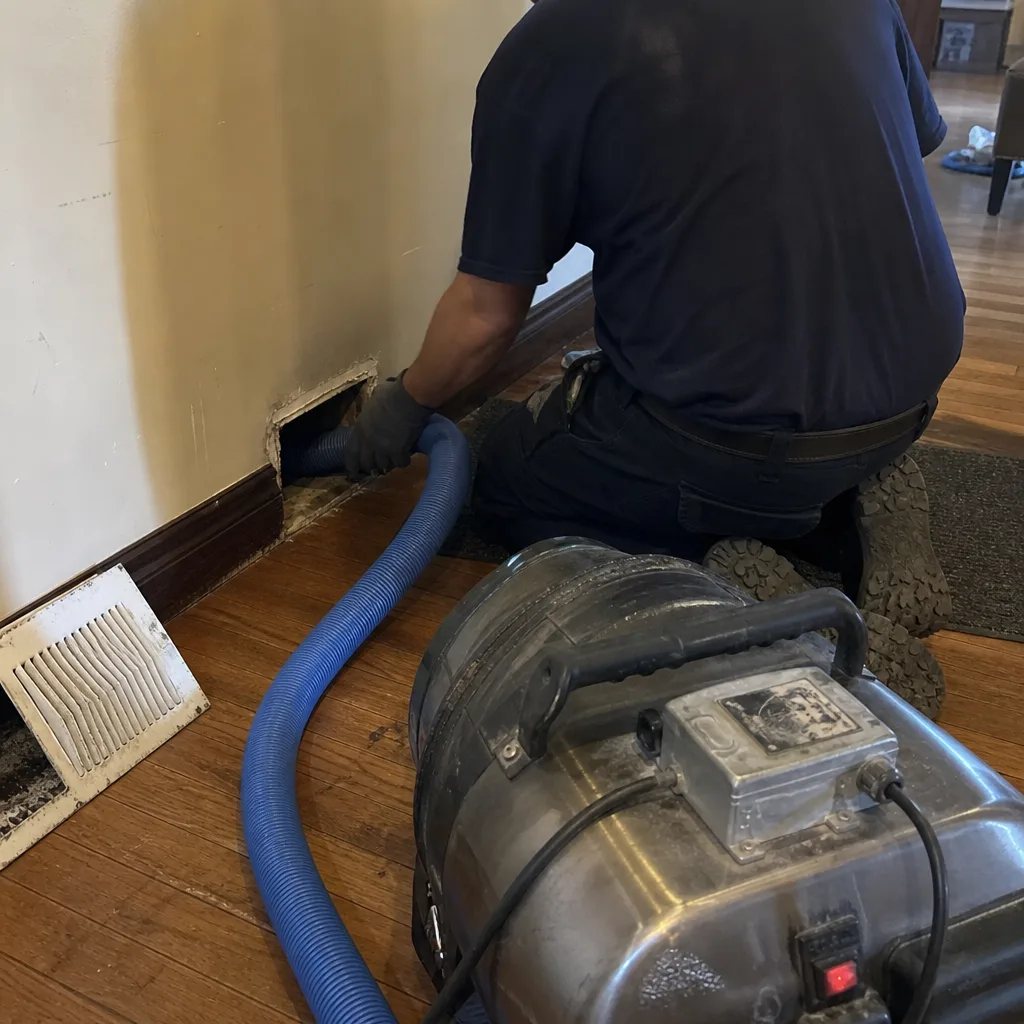 Before
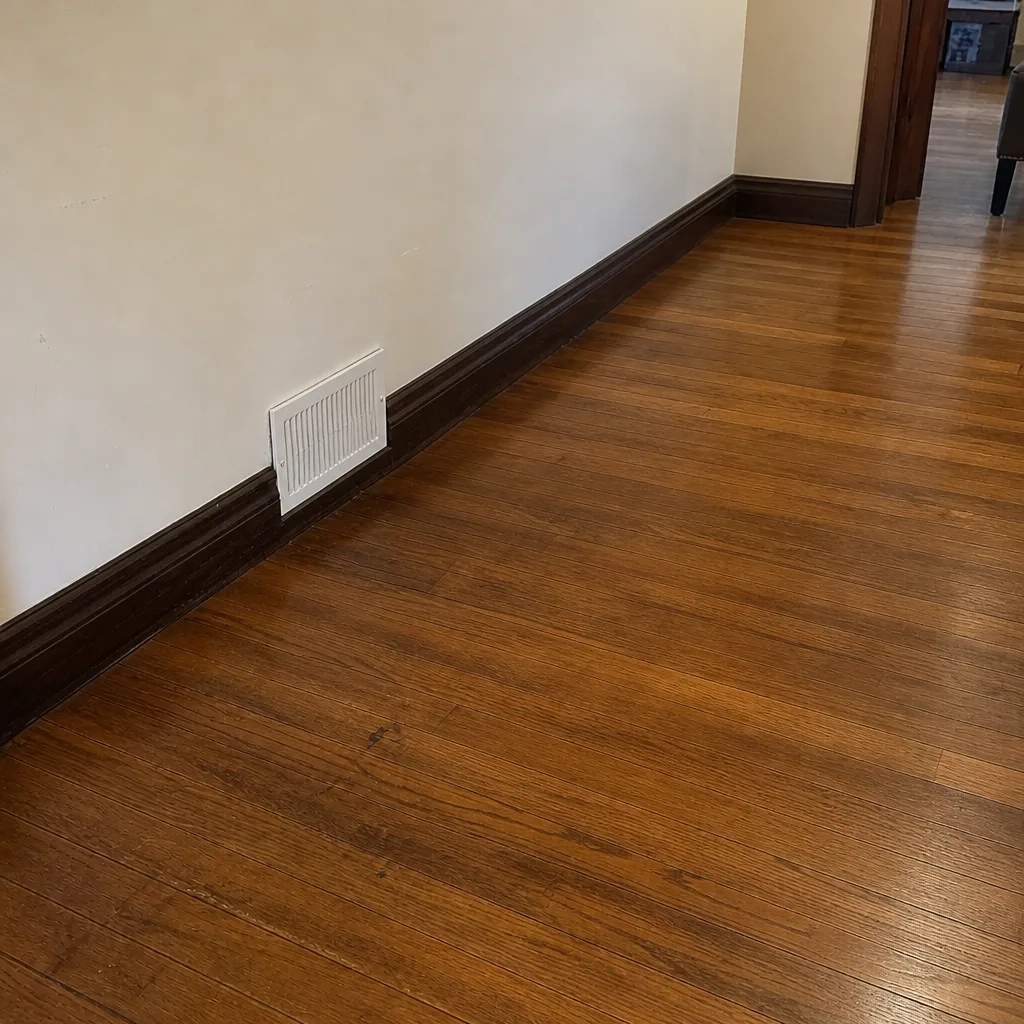 After
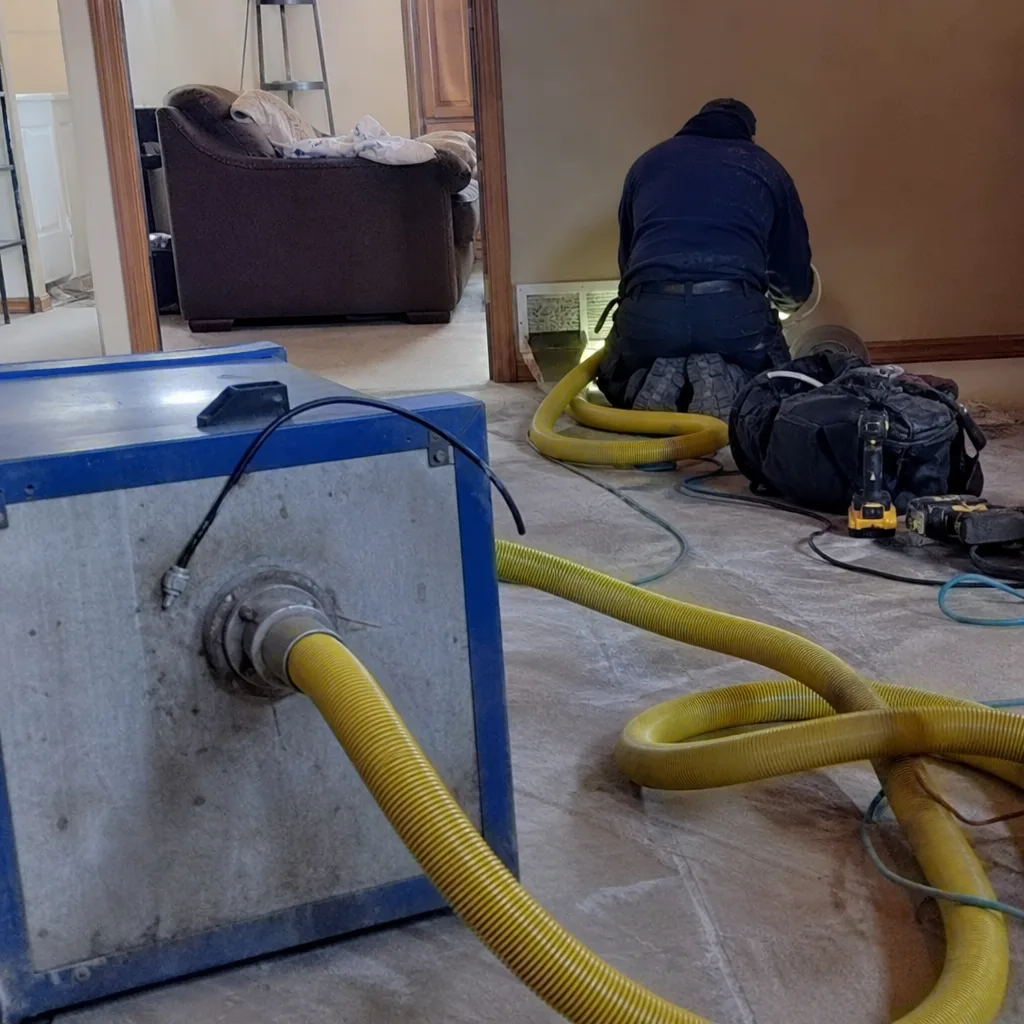 Before
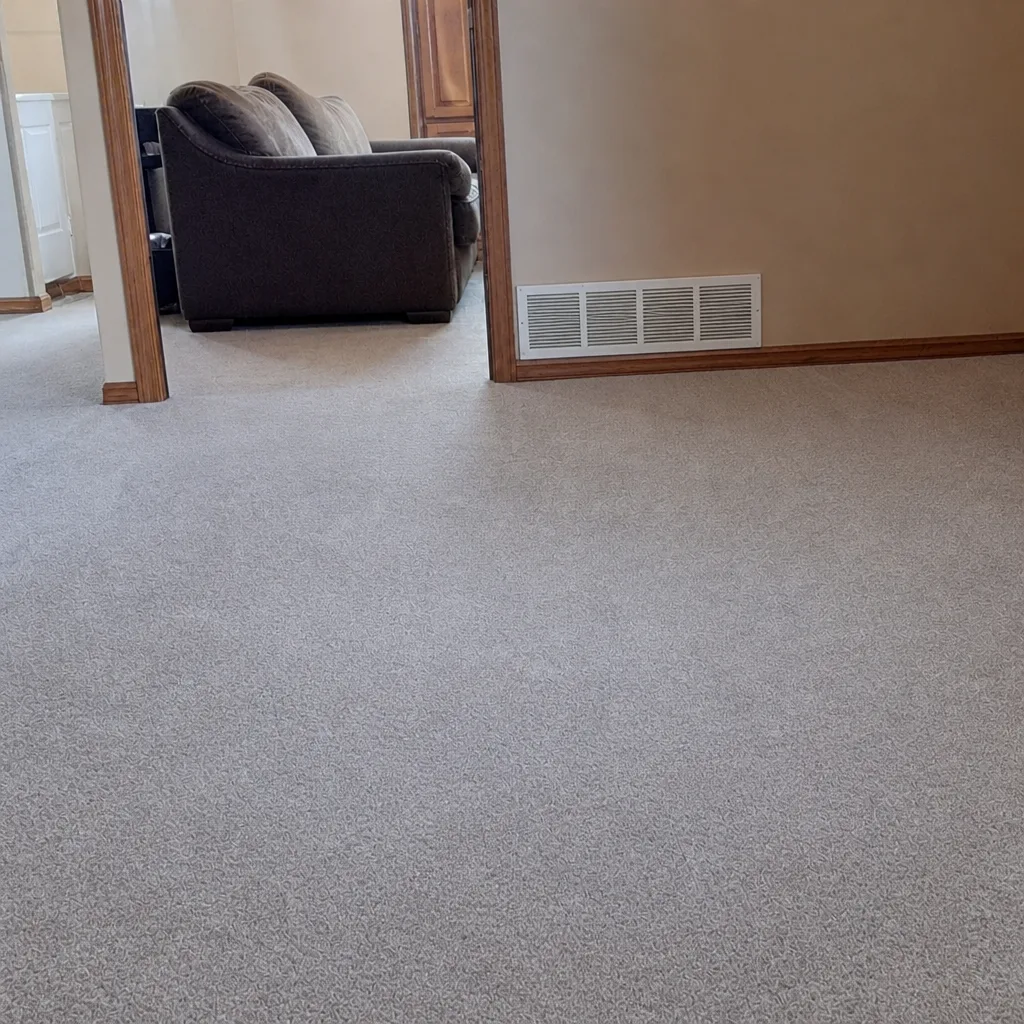 After
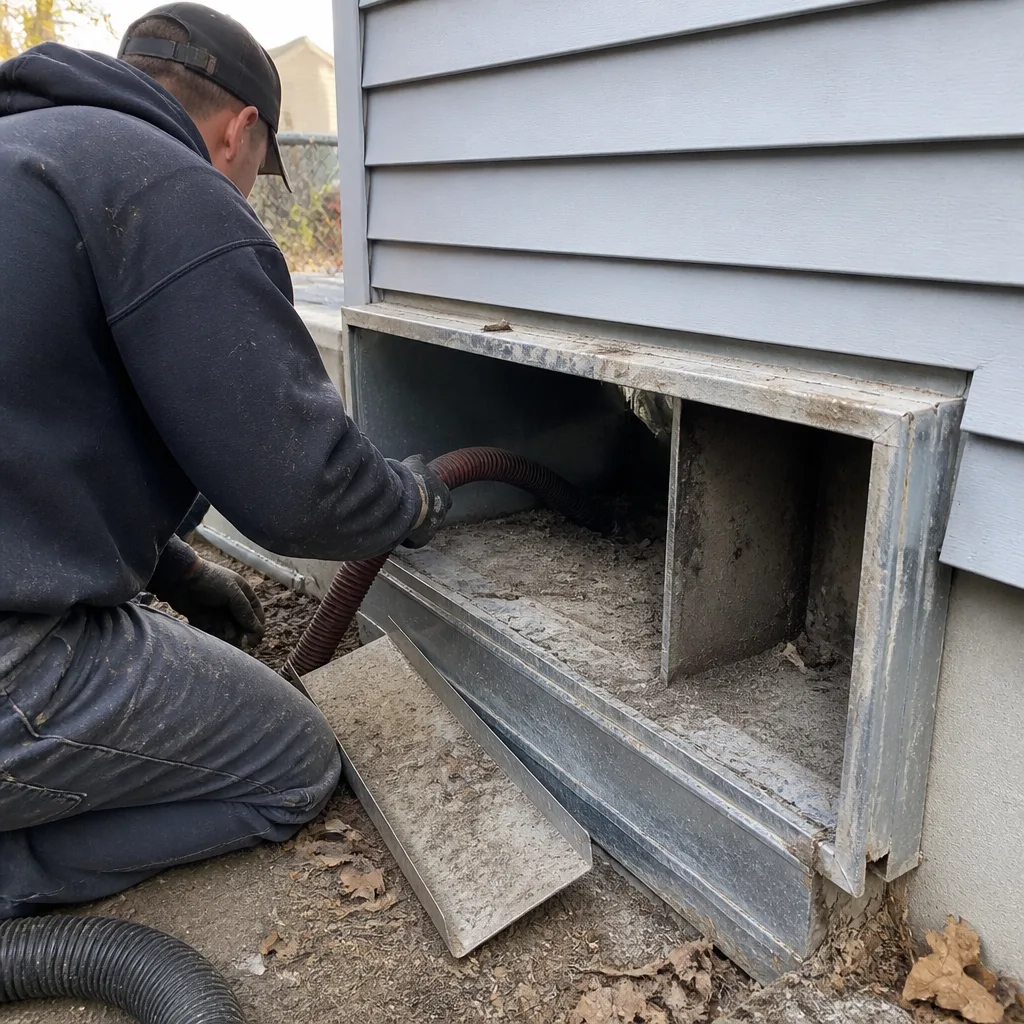 Before
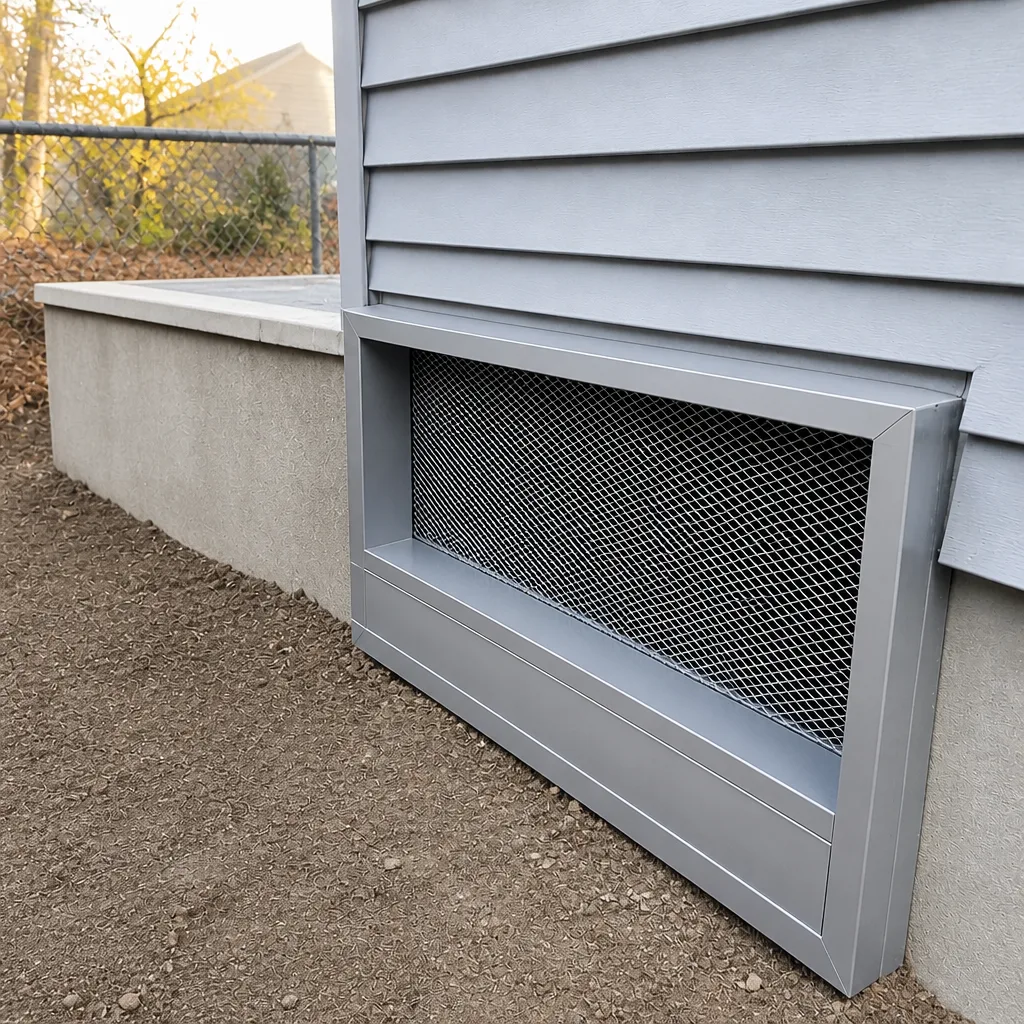 After
When to Call a Professional
Call a professional when a checklist finding crosses a hard line: visible mold on a register or inside a duct, an odor that only appears under airflow, debris visibly discharging from a supply grille, a filter that clogs in under half its normal interval twice in a row, or a duct joint that has separated or been chewed open. If you’re not sure, call and ask. A short conversation is free, and the person on the other end will tell you plainly if it sounds like a monitoring situation versus a service visit. Our technicians have up to 9 years of experience on this equipment, and we’ve seen how quickly a “wait and see” becomes a bigger job once a coil or trunk line is involved.
West Valley City Air Duct Cleaning Pros offers free estimates in West Valley City. Call (855) 337-1649. We answer 24/7. Fast dispatch from 7am to 7pm, Sunday through Friday. If you’d like a baseline before you start your log, that’s the call to make.
Frequently Asked Questions
There’s no single interval, and that’s the honest answer. Some West Valley City homes warrant cleaning every two to three years, others closer to five or longer, and the deciding factor is what your checklist records, not the calendar. Filter clog intervals, register findings, odor, and post-renovation or post-rodent-season events are the actual signals. Call (855) 337-1649 for a free assessment of where your system stands – estimates are free.
For most homes, an annual cleaning is more often than the system needs, and a monitoring approach usually saves money over a fixed calendar. That said, homes with persistent allergies, recent renovation, or heavy pet dander may genuinely earn a shorter interval. The right question isn’t “annual or not,” it’s “what does this year’s checklist say?” Call (855) 337-1649 for an exact quote.
Visible debris discharging from a supply register is the most reliable sign, because it’s direct evidence of what’s in the duct above it. A close second is odor that appears only when the system runs. Both are hard-line conditions that warrant a service visit now, not more monitoring. Call (855) 337-1649 to schedule.
You can absolutely do the monthly and seasonal checks; that’s what this guide is for. What you can’t do without equipment and access is see the coil, blower, trunk line, and duct runs inside walls and attic. Those are the professional scope. The checklist tells you when that scope is worth the visit. Call (855) 337-1649 to talk through what your findings mean.
Use the rating your system is designed for, which for many residential systems is a mid-range MERV rather than the highest available. A filter that’s too restrictive for the blower increases static pressure and can shorten equipment life. If you have a whole-home air cleaner, follow its media and interval. Call (855) 337-1649 if you want a second opinion on your filter setup – estimates are free.
Cheap quotes are usually duct-only vacuuming with light equipment, not full-pathway cleaning with professional-grade agitation and extraction. They may also skip containment and filtration, which is where fine particulate gets handled properly. Our process uses Rotobrush and Nikro equipment and Abatement Technologies filtration, and the written estimate sets one flat price before work starts. Call (855) 337-1649 for a real quote you can compare.
The Bottom Line
Your duct system doesn’t need a cleaning schedule, it needs a tracking system. Check monthly at the registers without tools, track your filter intervals against the MERV rating, and calendar three seasonal triggers for West Valley City: post-inversion, post-renovation, and spring. Photograph everything so your history is evidence, not a memory. When a hard line crosses – visible mold, odor under airflow, visible debris discharge, or two consecutive early filter clogs – schedule a real visit. Otherwise, monitor. That discipline is what saves money, catches the real problems, and turns every professional quote into a comparison you can actually judge.
Call (855) 337-1649 for a free estimate. We answer 24/7. Fast dispatch from 7am to 7pm, Sunday through Friday. Whether your checklist is empty, half-built, or flagged with a finding you can’t identify, that’s the call to make first.
Written by the team at West Valley City Air Duct Cleaning Pros.