
Last updated November 24, 2026
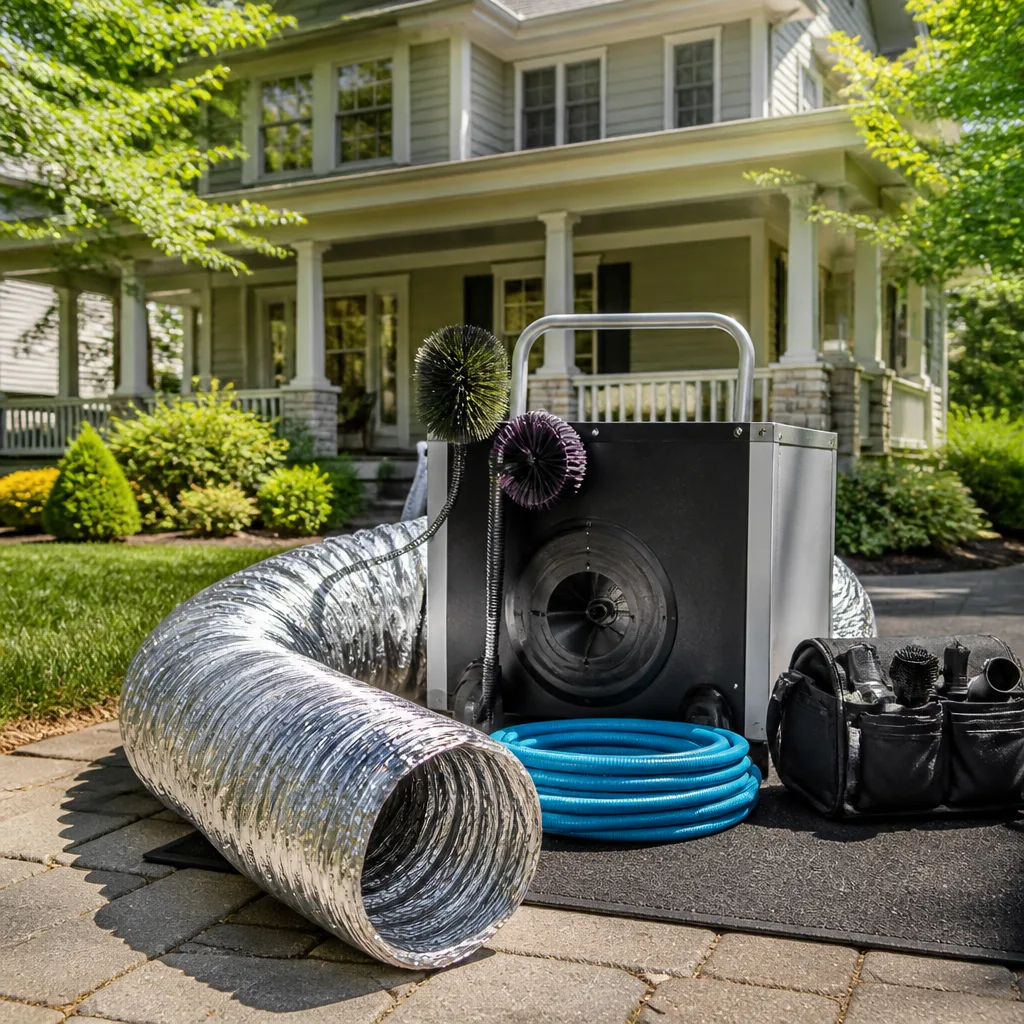 Whole-home duct cleaning
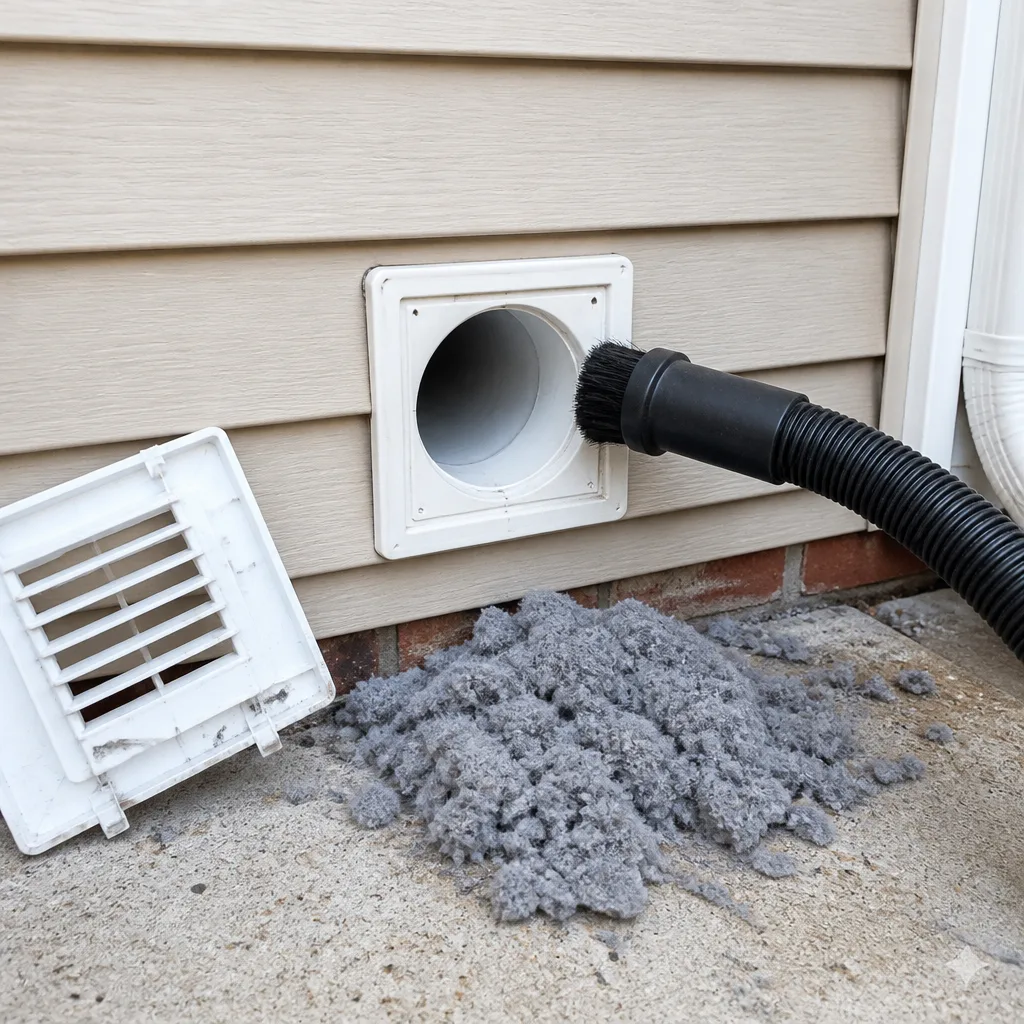 Dryer vent cleaning
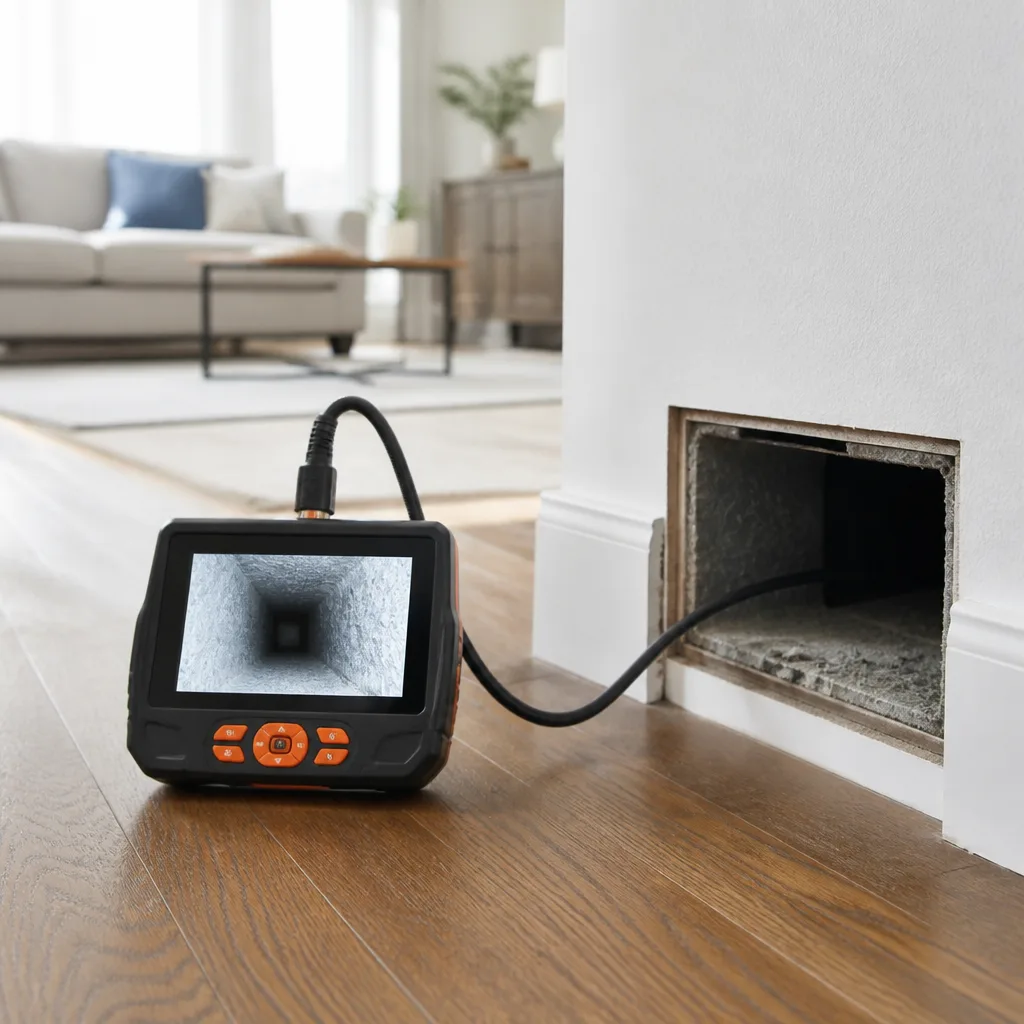 Camera inspection
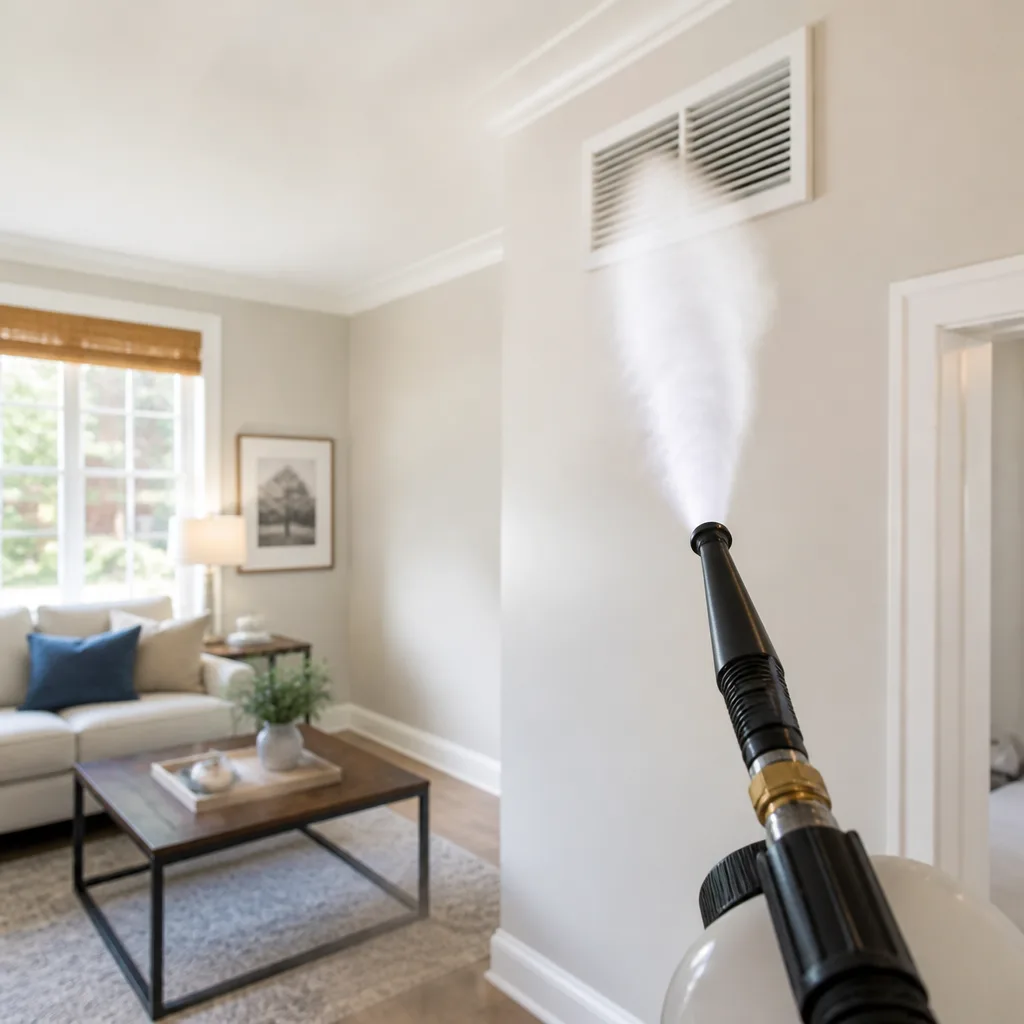 Sanitizing & deodorizing
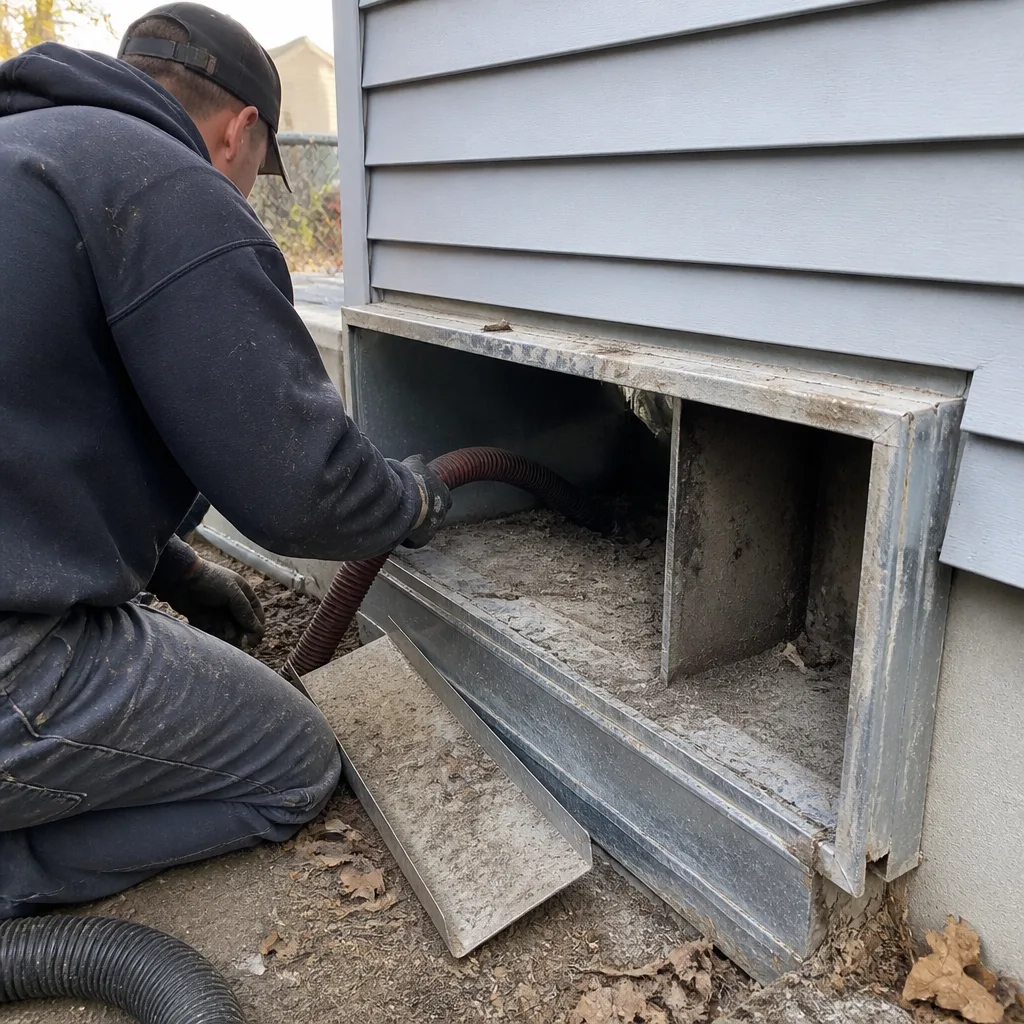
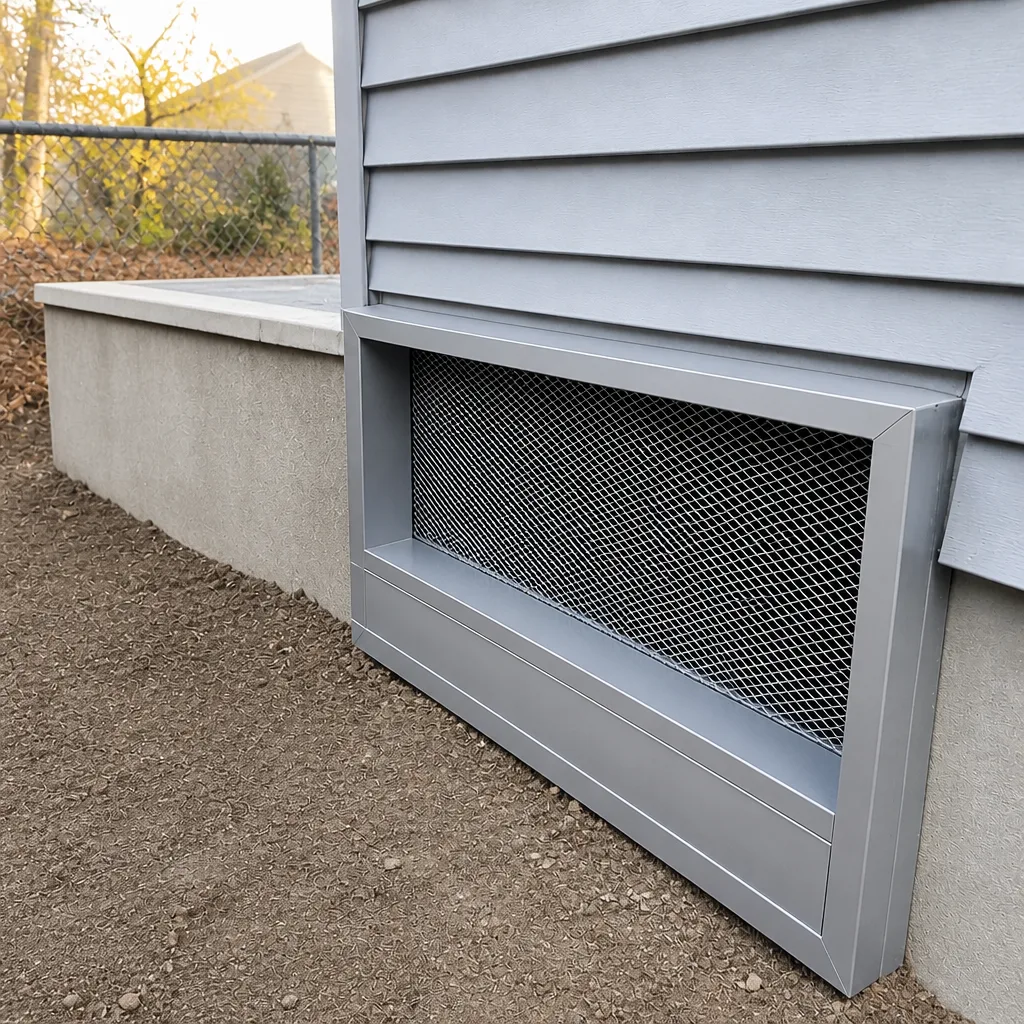
Whole-system duct and dryer vent check with before-and-after photos - you see exactly what came out of your vents
That "$99 whole-house special" is a bait ad - the real number appears once they are in your hallway, or the "clean" is a shop-vac at the register. We photograph the inside of your ducts before and after instead.
Air Duct Cleaning Permits, Codes & Inspections in West Valley City, UT: What You Need to Know
Here’s the part of duct cleaning almost nobody explains: the vacuuming itself is unregulated, but the good work often isn’t. In West Valley City, the act of pulling debris out of your ducts needs no paper from the city. The moment a technician cuts a trunk line to fit a new register, seals joints with mastic, or mounts a UV-C lamp inside the plenum, that’s a different category of work under Utah’s mechanical code, and it may require a licensed contractor and a permit. The line between cleaning and modification is where insurance claims and home sales get messy. This guide walks you through what’s exempt, what triggers a permit, how to verify a contractor, and what paperwork to keep.
Quick Answer
Routine air duct cleaning in West Valley City does not require a permit. If the work modifies ductwork, adds or relocates a register, applies mastic sealant as part of a repair, or installs UV-C or in-duct filtration equipment, Utah’s adoption of the International Mechanical Code treats it as regulated mechanical work that typically requires a licensed contractor and a permit from the local building authority. Mold remediation inside an HVAC system is classified separately from cosmetic cleaning and carries its own requirements under Salt Lake County health rules. Always confirm current requirements with West Valley City’s building department and the Utah Division of Occupational and Professional Licensing before work begins.
Styles & brands we work with
- Whole-home duct cleaning
- Dryer vent cleaning
- Camera inspection
- Sanitizing & deodorizing
Table of Contents
- What’s Permit-Exempt in West Valley City Under the IMC
- What Triggers a Mechanical Permit in West Valley City
- Duct Sealing, UV-C Lights, and In-Duct Purifiers: How Utah Classifies Them
- Mold Remediation vs. Cosmetic Cleaning Under Salt Lake County Health Rules
- How to Verify a Contractor Through Utah DOPL
- Documentation to Keep After the Service
- What Inspections Actually Cover, and What They Don’t
- Why Unpermitted Duct Modification Can Void Insurance Coverage
What’s Permit-Exempt in West Valley City Under the IMC
Utah adopts the International Mechanical Code with state amendments, and West Valley City enforces that code through its own building department. Under that framework, cleaning existing ductwork without altering its configuration is generally treated as maintenance, not construction. Nobody at city hall reviews a vacuum hose going down a return.
What stays exempt, in general terms:
- Mechanical cleaning of existing ducts using rotary brush and negative-pressure equipment. The duct stays exactly where it was built.
- Register and grille removal for cleaning and reinstallation in the existing openings.
- Surface sanitizing applied to interior duct surfaces that doesn’t reconfigure the system.
- Filter changes and coil cleaning as routine HVAC maintenance.
- Dryer vent cleaning, which is treated as appliance maintenance rather than mechanical construction. You can read more about that separately on our dryer vent cleaning page.
West Valley City’s housing stock matters here. Much of the west-side construction went up during the tract-home booms of the 1980s, 1990s, and 2000s, and the duct layouts from that era are usually rigid galvanized trunk-and-branch systems with flex runs to the far bedrooms. Those systems are easy to clean without a permit because nothing gets cut. They’re also prone to failing at the joints, which is exactly where the permit question starts.
In our experience, homeowners conflate “my ducts got cleaned” with “my ducts got fixed.” Cleaning removes what’s inside. It doesn’t close a gap that’s been leaking heated air into the joist bay since the house was built. Those are two different jobs, and only one of them has a regulatory footprint.
What Triggers a Mechanical Permit in West Valley City
A mechanical permit is generally required when duct work changes the system rather than just servicing it. Utah’s amended IMC follows the standard model where alterations to a mechanical system require permit and inspection. The practical list of triggers looks like this:
- Cutting into an existing trunk line to add a new supply or return register. This alters the system’s air balance and is treated as a mechanical alteration.
- Relocating or extending ductwork to serve a finished basement, a garage conversion, or an added room.
- Replacing a section of duct with a different material or route, including swapping hard pipe for flex.
- Sealing with mastic or aerosolized sealant as part of a repair, when the sealant is applied to close gaps rather than clean surfaces. This is where a lot of “duct sealing” packages cross the line.
- Installing new mechanical equipment in the air stream, including UV-C lamps and in-duct air purifiers wired into the system.
- Any work that requires opening the air handler to modify its configuration, not just clean its components.
West Valley City sits inside the Salt Lake Valley, and winter inversions push a lot of homeowners toward in-duct air purifiers and UV-C systems. That’s a reasonable response to genuinely poor winter air quality. It’s also, technically, an equipment installation that may need a permit and a licensed mechanical contractor. A cleaning company can sanitize your ducts. Wiring a UV-C lamp into the plenum of your furnace is a different job description.
If you’re only after the cleaning itself, the permitting question usually disappears. Our air duct cleaning service exists precisely so that the mechanical scope stays untouched. When the job grows past that, we say so.
Duct Sealing, UV-C Lights, and In-Duct Purifiers: How Utah Classifies Them
This is the section most contractors skip, so we’ll be direct: sealing, UV-C, and in-duct purifiers are three different animals under the code, and homeowners lump them together as “air quality upgrades.”
Duct sealing splits down the middle. Sealing with mastic or tape to close leaks as a repair, especially on accessible duct in a basement or attic, is often considered an alteration of the mechanical system and can require a permit. Cleaning and then applying a light sealant to prevent future debris intrusion is a gray area that depends on scope and on the city’s interpretation at the time of the application. Because it’s gray, ask. We treat duct repair as a distinct, disclosed part of the work for exactly this reason.
UV-C light installation is electrical and mechanical work in one. The lamp is mounted inside the air handler or duct, wired to a power source, and it changes the system’s configuration. Utah’s mechanical code treats the installation of air-cleaning equipment in the air stream as a mechanical permit item, and the electrical connection may need a separate electrical permit. A cleaning contractor who is not a licensed mechanical or electrical contractor cannot legally perform that installation. They can recommend it. They can’t install it.
In-duct air purifiers run into the same wall. A purifier that sits inside the duct and draws power counts as installed equipment. Products from Honeywell and Aprilaire fall into this category, and while we service and maintain those systems, the initial installation route needs a licensed contractor and, in most cases, a permit.
What a professional cleaning outfit can do without a permit is sanitize and deodorize the existing duct surfaces after mechanical cleaning, using products like Guardsman, and verify that whatever equipment is already installed is functioning. Our HVAC cleaning work stays on that side of the line: the equipment gets cleaned, not reconfigured.
Mold Remediation vs. Cosmetic Cleaning Under Salt Lake County Health Rules
There’s a real difference between a duct that looks dirty and a duct that’s growing something. Salt Lake County’s health regulations, like most county health codes, classify mold remediation as a distinct activity from cleaning, and the distinction is not cosmetic. It changes who’s allowed to do the work, how it has to be contained, and who carries the liability if the problem comes back.
Here’s the working difference:
- Cosmetic cleaning removes visible dust, debris, and surface buildup. It’s maintenance. No permit, no special classification.
- Mold remediation involves a confirmed mold condition, containment during removal, filtration of the work area, and disposal of contaminated material. It carries health and liability implications that push it into regulated territory.
Utah’s climate makes this less theoretical than it sounds. Winter condensation on cold attic duct runs, summer swamp cooler infiltration, and the occasional basement leak all create the damp conditions mold needs. A house in West Valley City that ran a whole-house humidifier too high through a cold January can end up with moisture in the flex runs that doesn’t dry out.
This is where filtration equipment matters. Abatement Technologies air filtration is used in containment work precisely because it traps fine particulates rather than blowing them around. When we suspect an underlying mold condition, the correct move is containment and evaluation, not a stronger vacuum. The cleaning brands named above aren’t marketing decoration. They signal that the equipment is in the remediation category rather than the shop-vac category, and that matters when the job turns out to be more than cleaning.
If the mold is confirmed, remediation needs to be performed under the county’s health rules by a contractor set up for it. If it’s surface dust and general debris, cleaning is enough. We help homeowners tell the two apart before any invoice gets written.
How to Verify a Contractor Through Utah DOPL
Utah’s Division of Occupational and Professional Licensing (DOPL) maintains the public license lookup that lets you confirm whether a contractor is actually licensed for the work they’re proposing. This takes about five minutes and saves a lot of grief. Here’s the sequence:
- Ask for the license number in writing before you sign anything, and note what class of license they hold. A general contractor’s license is not the same as a mechanical contractor’s license.
- Look the number up on the DOPL license verification tool at dopl.utah.gov. It returns the license status, the license type, and any disciplinary actions on file.
- Confirm the license type matches the work. Cleaning needs no license. Duct modification, sealing as a repair, and equipment installation generally require a licensed mechanical contractor, and electrical connections may require a licensed electrician.
- Ask for a certificate of insurance and call the insurer to confirm the policy is active. Paper certificates can be stale.
- Get the scope of work in writing, including whether a permit will be pulled and who pulls it. If a permit isn’t required, have the contractor say so in writing.
This is also the moment to ask about equipment. A contractor quoting duct sealing as part of a package should be able to describe the tools they’ll use. Rotobrush and Nikro systems are the industry-standard mechanical cleaning equipment, and their presence tells you the cleaning portion of the job is being done mechanically, not just blown through with a shop vac. If the answer to “what equipment do you use?” is vague, the permit question probably will be too.
Documentation to Keep After the Service
Duct cleaning leaves a paper trail, and the paper trail is what protects you later. Save the following for at least as long as you own the home:
- The written estimate and final invoice, itemized by service. “Duct cleaning” as a single line item tells an adjuster nothing. Itemized scope tells them exactly what was and wasn’t done.
- Before-and-after photos of your own ducts. A quality contractor captures these during the job; ask for them at completion. These are the single most useful piece of evidence in an insurance dispute, because they show the condition and the result.
- The contractor’s license number, insurance certificate, and any permit number. If a permit was pulled, keep the inspection sign-off.
- A job description that names the equipment used. “Rotobrush mechanical cleaning with negative air” is documentation. “Cleaned ducts” is not.
- Any sanitizing product documentation, including the product name and the surfaces treated. This matters if a household member has sensitivities later.
- Notes on any pre-existing duct damage or sealing performed. This is a disclosure item at resale.
For a home sale, Utah’s seller disclosure form asks about material defects and any known issues with major systems. A duct system that was cleaned and left with failing joints is a different disclosure than one that was cleaned and sealed. Keeping the record lets you answer the question accurately.
We give customers before-and-after photos as a standard part of the service, and the invoice reflects exactly what was cleaned, what wasn’t, and whether any repair was needed. For the broader picture on what cleaning actually involves, see our page on West Valley City Air Duct Cleaning Pros.
What Inspections Actually Cover, and What They Don’t
When a mechanical permit is pulled in West Valley City, the building department inspection covers the permitted work: whether the duct was installed to code, whether the connections are properly sealed, whether the air-handler equipment is correctly configured, and whether clearances and supports meet the code. What the inspector does not evaluate is cleanliness. An inspection is a code compliance check, not a hygiene audit.
That means the two processes are separate and both are useful for different reasons:
- The city inspection confirms that any modification was done legally and safely. It creates a public record attached to your address.
- Your own visual check, done right after the cleaning, confirms what the vacuuming actually achieved. Remove a few registers, look at the interior of the duct walls with a flashlight, and take a photo.
- Before-and-after photo review confirms the contractor’s own record of the work. Compare their images to yours.
What the inspection doesn’t cover: whether the ducts were left clean, whether debris was left in the plenum, whether the return air chase is still coated with dust, and whether any pre-existing moisture problem was identified. Those are cleaning questions. Ask them at the walkthrough.
For homeowners concerned about the air handler itself rather than the ducts, this is why the full-system approach earns its place. Cleaner air starts with the system behind your walls, and cleaning only one piece of that system leaves a lot of the pathway untouched. The HVAC cleaning scope covers the unit and coils; the duct scope covers the distribution. Both belong on the same invoice.
Why Unpermitted Duct Modification Can Void Insurance Coverage
Homeowners policies typically include language excluding damage arising from work done without required permits or by unlicensed contractors. In practice that means a furnace fire or a water loss traced back to a duct modification that was never permitted can be denied, or the claim can be reduced. The cleaner did the work, the insurer doesn’t cover the result, and the homeowner is the one holding the bill.
This isn’t hypothetical hand-wringing. Utah’s adoption of the IMC establishes the permit framework, and the insurer’s claims adjuster will look at whether the work complied with it. The three scenarios that most often cause trouble:
- Duct sealing performed as a repair without a permit, where the mastic fails and air leakage causes a moisture problem in the attic.
- UV-C or purifier installation wired by an unlicensed person, where an electrical fault traces back to the installation.
- Duct modification to serve a finished basement, where the work was never inspected and later shows up on a disclosure or a claim.
Our position is straightforward: cleaning, period, needs no permit and we handle it. Repair and sealing is disclosed as a separate part of the work, with the scope in writing and the permit question answered before the job starts. We repair what we find, and we don’t hide the line between cleaning and modifying. If a job crosses into mechanical permit territory, that’s a licensed mechanical contractor’s job, and we’ll say so.
Ask the wrong contractor about permits and you’ll hear “we don’t need one.” That answer is sometimes right and sometimes dangerously wrong. The correct answer is “it depends on the scope,” followed by a clear explanation of which scope applies to you.
Common Mistakes to Avoid
- Assuming the cleaning company’s “permit” covers the sealing. A permit attaches to a specific scope of work, and it doesn’t extend to work the contractor wasn’t licensed to perform. Ask for the permit number and read what’s on it.
- Letting a cleaner install a UV-C lamp because it was on sale in the quote. UV-C installation inside the air handler is licensed mechanical and possibly electrical work in Utah. A cleaning technician with a lamp in a box isn’t qualified to wire it, and the resulting install can affect your coverage.
- Treating visible mold as a cleaning problem. Surface dust and a confirmed mold condition are handled under different rules, and Salt Lake County health code separates them for good reason. If the technician doesn’t ask about moisture history, that’s a red flag.
- Skipping the DOPL lookup. Utah makes it easy to verify a license in five minutes. A contractor who gets defensive about the ask is telling you something.
- Not requesting before-and-after photos. Without them, you have no record of the condition before cleaning. If a problem shows up months later, you can’t demonstrate the before state.
- Throwing the invoice away after payment. The invoice is your evidence at claim time and at resale. Itemized scope, license number, and any permit number should all be on it.
- Waiting until the ducts are visibly a problem. In West Valley City’s dry climate, most duct debris is invisible from the register. If you’ve never had the system cleaned, that’s a reason to look, not to wait.
See the difference
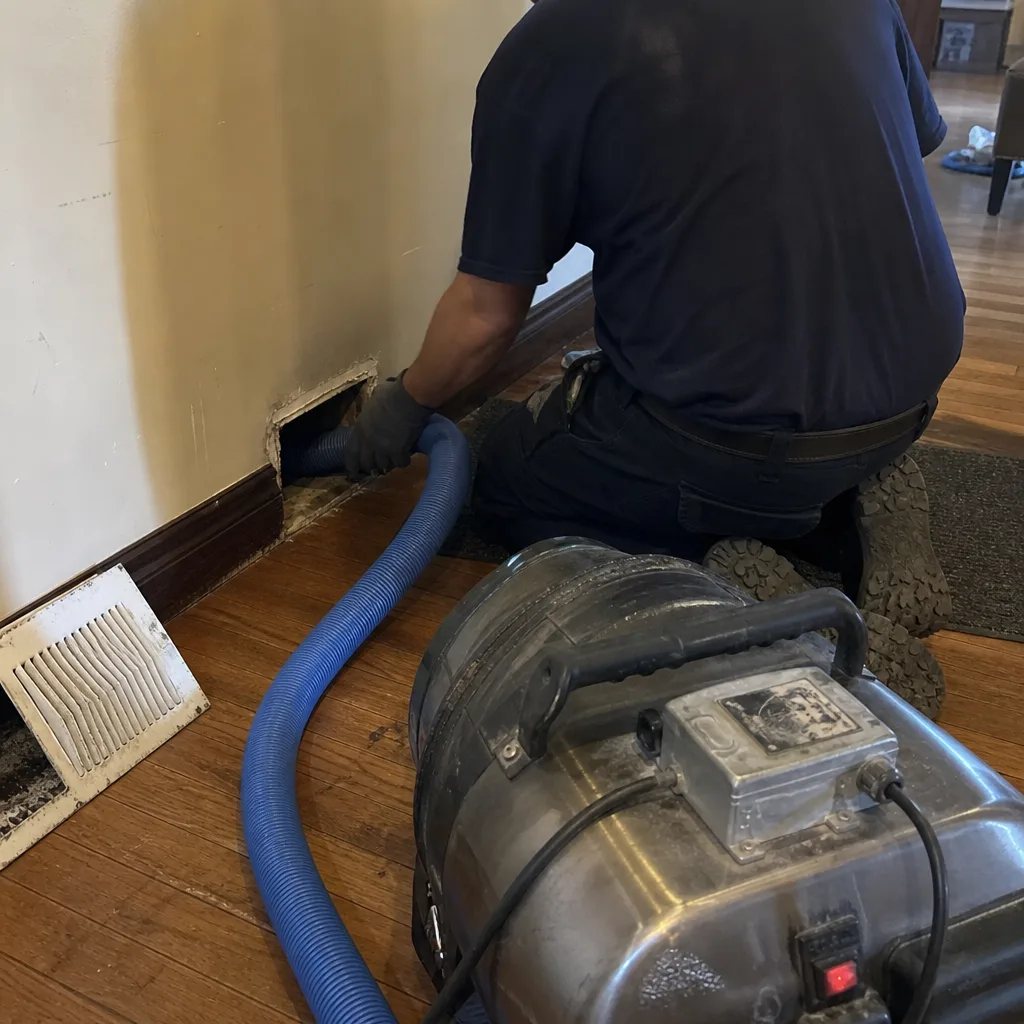 Before
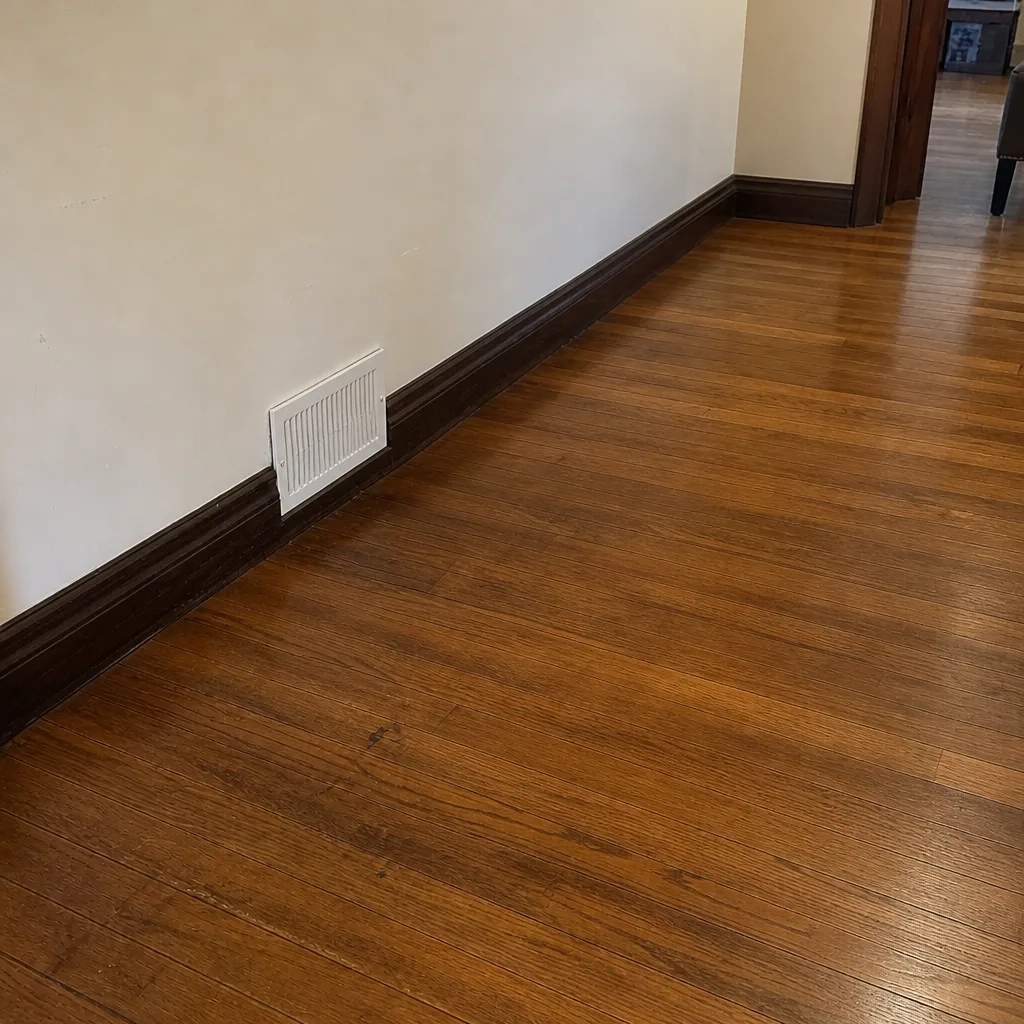 After
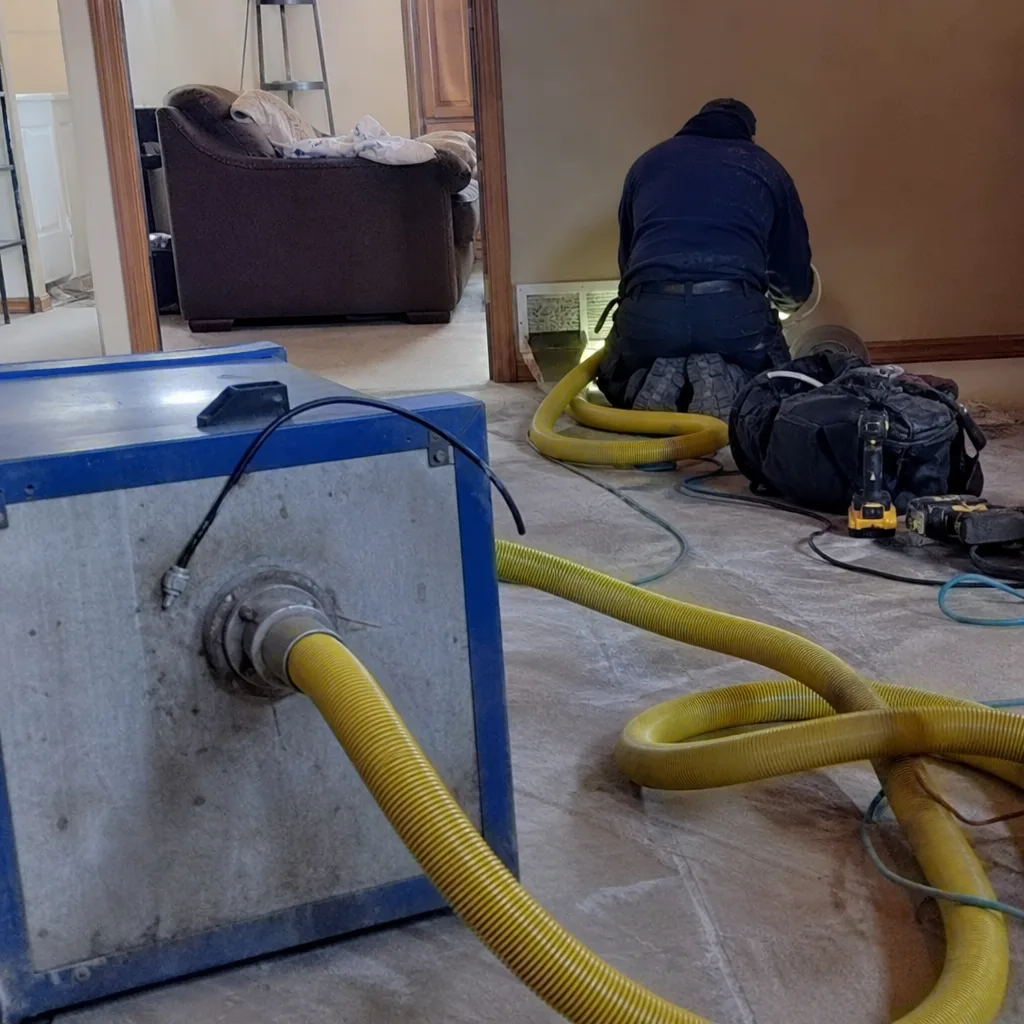 Before
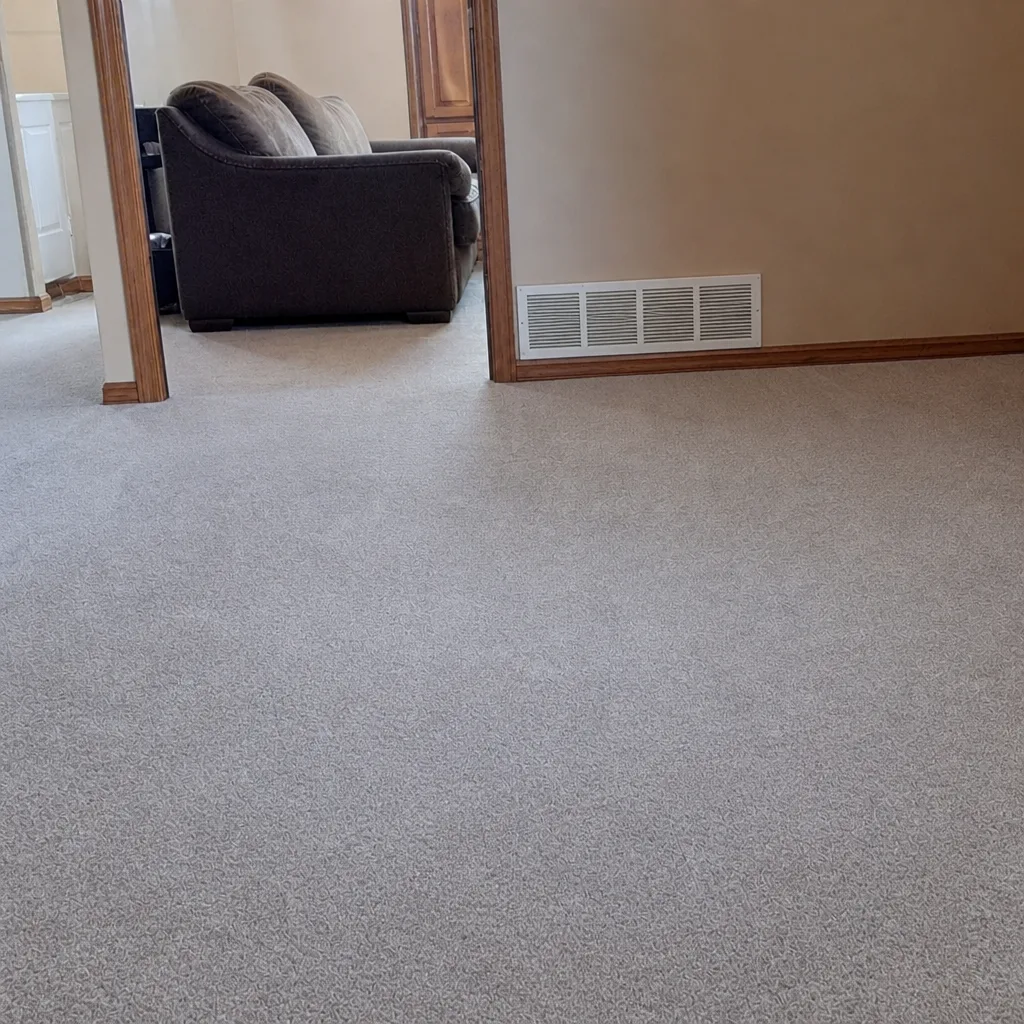 After
 Before
 After
When to Call a Professional
Call a professional when the symptom you’re noticing points at the duct system rather than the thermostat. Uneven airflow, dust settling on surfaces shortly after cleaning, a musty smell when the heat or AC kicks on, visible debris at the registers, or a recent renovation that pushed drywall dust through the whole system are all signals worth a look. If the previous owner never cleaned the ducts and you’ve just bought the house, that’s also a good moment to get a baseline.
West Valley City Air Duct Cleaning Pros offers free estimates in West Valley City. Call (855) 337-1649. We answer 24/7. Fast dispatch from 7am to 7pm, Sunday through Friday. The estimate is free, the price is set per job by the written estimate, and the scope is documented before any work starts.
Frequently Asked Questions
No. Routine cleaning of existing ductwork is maintenance under Utah’s mechanical code and doesn’t require a permit from West Valley City. A permit enters the picture only when the work modifies ductwork, adds a register, seals as a repair, or installs equipment like a UV-C lamp or in-duct purifier. Call (855) 337-1649 for an exact quote on the cleaning side, and we’ll flag any scope that needs permitting before we start. Estimates are free.
Often yes, especially when the sealant is applied to close leaks as a repair. Sealing that changes the mechanical system’s configuration is generally treated as an alteration requiring a licensed contractor and, depending on scope and interpretation, a permit. Cleaning and light surface sealing to prevent future debris intrusion sits in a grayer area that should be discussed with the city building department. Call (855) 337-1649 to have the scope evaluated honestly. Estimates are free.
Not legally, unless they also hold the appropriate mechanical and electrical contractor licenses. UV-C installation inside the air handler is equipment installation, not cleaning, and Utah’s mechanical code treats it as a permit item with an electrical component. A cleaning company can recommend UV-C; installing it is a licensed mechanical contractor’s job. Call (855) 337-1649 if you want the cleaning and sanitizing portion handled properly. Estimates are free.
Ask for the license number in writing, then look it up on the Utah Division of Occupational and Professional Licensing (DOPL) verification tool at dopl.utah.gov. Confirm the license type matches the work being proposed, and ask for a current certificate of insurance. Cleaning doesn’t require a license; mechanical modification and equipment installation generally do. Call (855) 337-1649 and we’ll walk you through the scope so you know which license type applies. Estimates are free.
Keep the itemized estimate and invoice, before-and-after photos of your own ducts, the contractor’s license number and insurance certificate, any permit and inspection sign-off, and documentation for any sanitizing products used. Those five things are what an adjuster or a buyer’s agent will ask for. Call (855) 337-1649 to schedule a job that comes with the full paper trail. Estimates are free.
Yes. Confirmed mold in an HVAC system is remediation under Salt Lake County health rules, not cosmetic cleaning, and it requires containment, filtration, and disposal protocols that a standard cleaning crew isn’t set up for. Surface dust is cleaning; mold is remediation. Call (855) 337-1649 and we’ll help you tell the difference before any invoice is written. Estimates are free.
The Bottom Line
Cleaning your ducts in West Valley City requires no permit. Modifying them, sealing them as a repair, or installing equipment inside them generally does. The line matters because it affects who’s allowed to do the work, whether your insurance covers a failure, and what has to be disclosed at resale. Verify any contractor’s license through Utah DOPL, ask what scope of work the permit actually covers, keep your before-and-after photos and itemized invoice, and treat mold as remediation rather than cleaning. In our experience, the homeowners who ask these questions upfront are the ones who never have to sort out the mess afterward.
Call (855) 337-1649. We answer 24/7. Fast dispatch from 7am to 7pm, Sunday through Friday.
Written by the team at West Valley City Air Duct Cleaning Pros.